What is an Auto Electrician?
Learn about the role of an auto electrician, their key components, types, benefits, applications, and common misconceptions.
Looking for one? See our ranking of 44 auto electrician in Sydney
How Auto Electrician Works
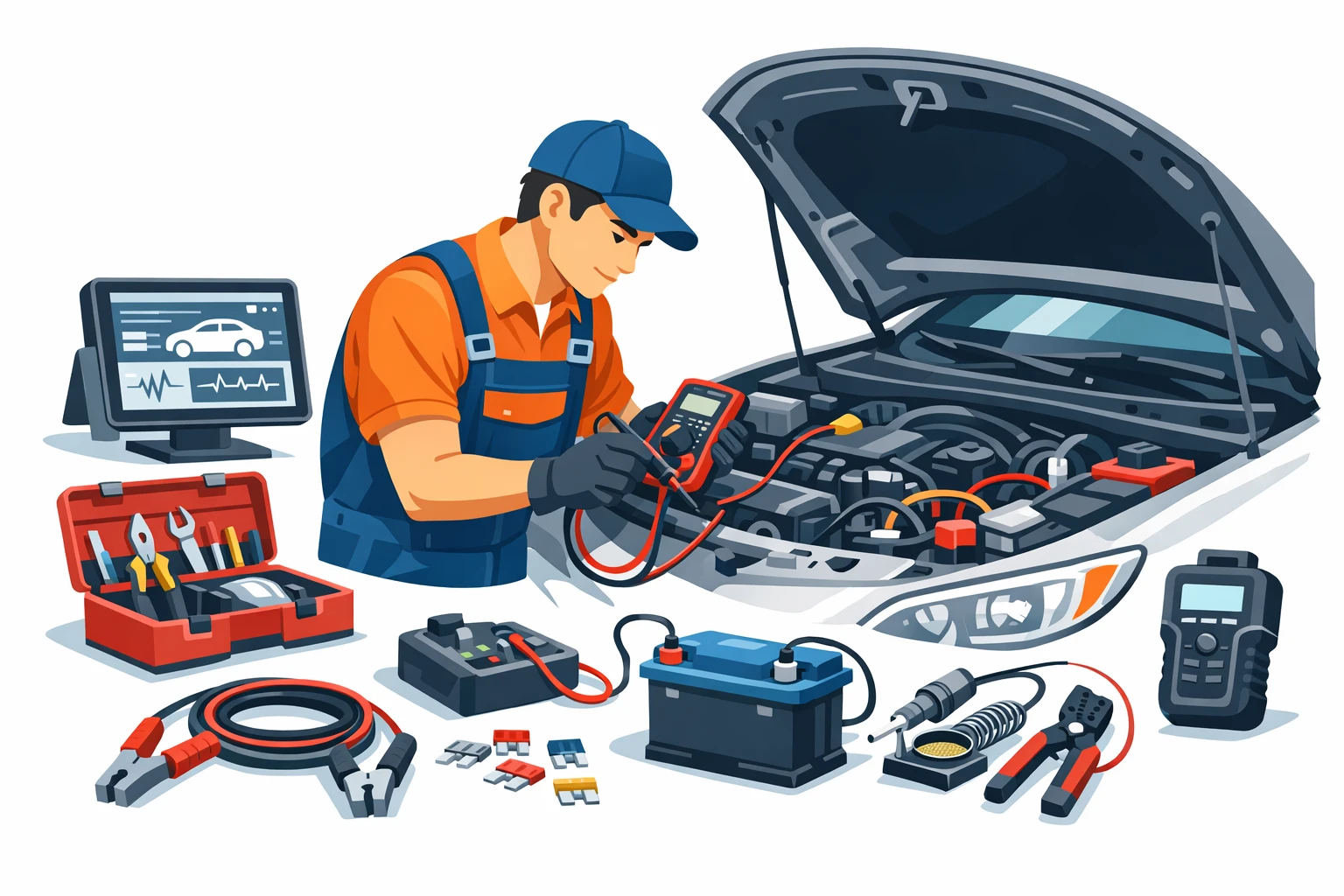
An auto electrician is a specialised professional who works on the electrical systems and components of motor vehicles. In Sydney and other parts of NSW, these experts troubleshoot and repair issues related to car electronics. Daily functions include diagnosing faults using electronic testing equipment, repairing or replacing faulty parts, installing new systems and accessories, and performing routine maintenance.
For a step-by-step breakdown, a day in the life of an auto electrician might look like this:
Step 1: Review work orders and discuss assignments with a supervisor.
Step 2: Perform diagnostics on electrical systems using advanced diagnostic tools.
Step 3: Identify faults and issues within these systems and formulate a plan to address the problem.
Step 4: Carry out necessary repairs or replacements, which may include tasks such as wiring, installing fuses or other components, and working with electronic controls.
Step 5: Test the repaired systems to ensure everything is working correctly before returning the vehicle to the customer.
Step 6: Keep detailed records of work conducted, parts used, and time spent for each job.
While every auto electrician's role may vary somewhat, this is generally what you can expect when working with these specialists in NSW.
Key Components of Auto Electrician

1. Diagnostic Skills: Auto electricians must identify the causes of faults in complex electronic systems.
2. Electrical Knowledge: They must have an understanding of automotive technology and electronic systems.
3. Physical Dexterity: Some tasks require fine motor skills, such as working with small wires or hard-to-reach electrical components.
4. Customer Service: Good auto electricians also need communication skills to interact with customers and relay important information about their vehicles.
5. Tools and Equipment: They work with various tools and machinery, such as digital multimeters, oscilloscopes, and scanners.
6. Continuous Learning: Technology in vehicles is continually changing. Auto electricians must stay up-to-date with the latest automotive developments and trends.
Types of Auto Electrician
Despite the specialised field, there are several types of auto electricians, distinguished mainly by their area of focus. Here are five common types:
1. General Auto Electrician
2. Auto Electrician Specialising in Heavy Vehicles
3. Auto Electrician Specialising in Light Vehicles
4. Auto Electrician Specialising in Agricultural Machinery
5. Auto Electrician Specialising in Marine Vehicles
Type | Best for | Common Tasks General Auto Electrician | Most vehicles | Diagnosing and fixing faults in automotive electrical systems Auto Electrician Specialising in Heavy Vehicles | Buses, trucks, and other large vehicles | Working on more complex, heavy-duty electrical systems Auto Electrician Specialising in Light Vehicles | Cars, vans, and small trucks | Servicing smaller, less complicated vehicles Auto Electrician Specialising in Agricultural Machinery | Farm machinery and equipment | Maintaining and repairing machinery specific to the agriculture industry Auto Electrician Specialising in Marine Vehicles | Boats and other marine vehicles | Working with water-resistant and water-safe electrical systems
Benefits of Auto Electrician
Benefit | Description Professional Expertise | Auto electricians have specific training and knowledge to diagnose and repair electrical faults in motor vehicles. Time Efficiency | Accurate diagnosis and repair can save vehicle owners the trouble of trying to find and fix issues themselves. Maintenance and Prevention | Regular checks and maintenance performed by these professionals can help prevent further problems. Advanced Tool Access | Auto electricians use specialised tools to test and repair vehicle electrical systems, which can be more effective and accurate than general methods.
Overall, hiring an auto electrician can save time, reduce stress, and ensure that your vehicle's electrical system operates flawlessly. However, the cost will vary depending on the required services and the specific professional you choose to work with.
Use Cases or Applications
1. Light repair: Fixing a malfunctioning headlight, tail light, or interior light.
2. Audio system installation: Installing a new car stereo and connecting it to the vehicle's electrical system.
3. Battery checks: Performing routine maintenance on vehicle batteries to ensure they're in good condition.
4. Electric window repairs: Solving problems with power windows that are sluggish or don't move at all.
5. Alarm system installation: Installing and configuring vehicle alarm systems and keyless entry devices.
6. Sensor repair: Fixing faulty sensors that affect the vehicle’s performance or safety.
7. Electric brake installation: Installing electric brakes in caravans or trailers for better control and safety on NSW roads.
8. Pre-purchase inspection: Conducting detailed electrical checks on used vehicles before purchase.
9. Agricultural equipment repair: Repairing or maintaining electrical components of machinery used in NSW’s agriculture sector.
Considerations Before Adoption
- Is the auto electrician licensed and insured? - Does the auto electrician have positive reviews and testimonials? - Does the service provider offer a warranty on their work? - How quickly can the auto electrician address your vehicle’s issue? - Does the auto electrician have experience with your specific make and model of vehicle? - Can the service provider offer a clear, detailed estimate before starting work? - Does the auto electrician provide continuous learning and stay updated with the latest industry standards and technologies?
When choosing an auto electrician, it's crucial to consider these questions to ensure the best quality service. Remember, the cheapest option is not always the best when it comes to maintaining the complex electrical systems of modern vehicles.
Common Misconceptions
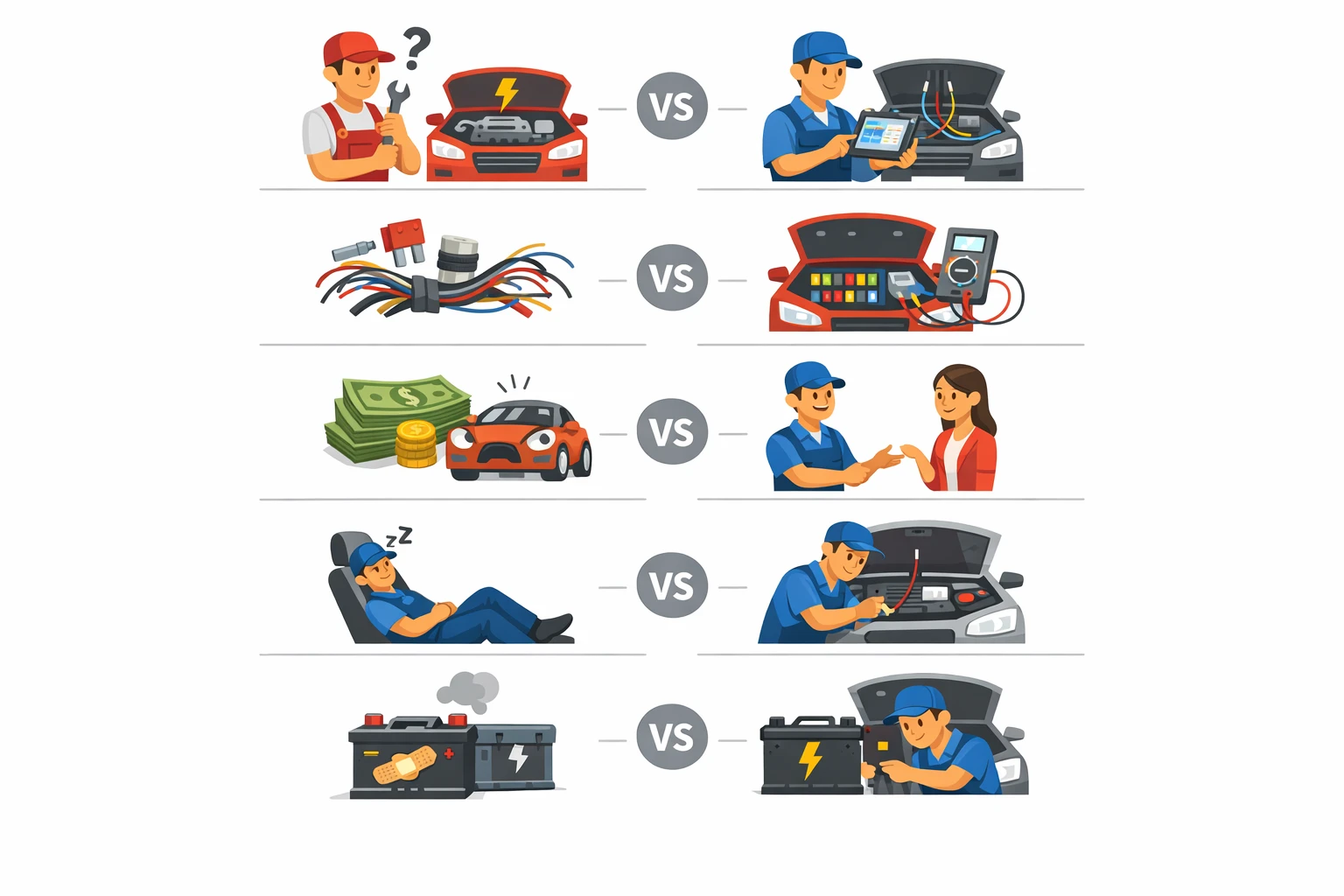
Myth: Any mechanic can handle electrical repairs → Reality: Though mechanics and auto electricians both work on vehicles, auto electricians specialise in the electronic components of a car. This specialisation often means they are better equipped to diagnose and address electrical problems.
Myth: Auto electricians only work on cars → Reality: Auto electricians can work on a range of motorised vehicles, including motorcycles, trucks, boats, and agricultural machinery.
Myth: All automotive electric work can be DIY → Reality: While some minor electrical work can be performed by a vehicle owner, it's safer and often more effective to let a professional auto electrician handle complex electrical issues.
Myth: Auto electricians always need to disassemble parts of the vehicle → Reality: With modern diagnostic tools, they can often diagnose problems without extensive disassembly of the vehicle's parts.
Myth: Auto electrician services are too expensive → Reality: Given the complexity of modern vehicle electronics, the skillset of auto electricians justifies their rates. Furthermore, professional diagnose and repair can prevent costly future problems.
Future of Auto Electrician
The future of the auto electrician profession is tied closely to advancements in automotive technology. As vehicles become more electronically complex and integrated with technologies such as AI and IoT, auto electricians will need to continually adapt and learn new skills. Solutions such as electric and hybrid vehicles, which are becoming more popular in Australia, require knowledge of high voltage systems.
With the Australian government's push towards greener transport options, including electric vehicles, the demand for auto electricians trained in these systems will likely increase. Moreover, in the era of self-driving vehicles, where complex sensors, actuators, and computers are managing the vehicle's actions, the role of an auto electrician will become even more essential.
Essentially, auto electricians will need to stay at the forefront of automotive technology trends to continue providing valuable services. Continuous training, learning, and certification will become even more crucial in this ever-evolving field.
Related Concepts and Comparisons
Auto Electrician vs. Mechanic:
Role | Auto Electrician | Mechanic Primary Focus | Electrical and electronic systems of a vehicle | Mechanical parts, including engines, transmissions, and brakes Skills | Diagnosing and repairing vehicle electrical problems | A broader range of maintenance and repair duties that include oil changes, brake repairs, and replacing worn-out parts.
The two professions often overlap, and many auto shops employ both mechanics and auto electricians. However, the expertise of an auto electrician can be invaluable for diagnosing and repairing electronic issues that a general mechanic might overlook.
Conclusion
As vehicles become more advanced, the role of the auto electrician is becoming increasingly significant. Equipped with specialised skills to manage and repair vehicle electronics, they are an integral part of ensuring your car, truck, or other motor vehicle stays in optimal condition. If you own a vehicle and live in NSW, it's worthwhile having a trusted auto electrician in your contacts. They could be invaluable when it comes to maintaining your vehicle's safety and functionality.
Common questions
- What does an auto electrician do?
- An auto electrician specialises in the electrical systems and components of motor vehicles. They diagnose, repair and maintain a variety of electrical elements including lights, sensors, batteries and infotainment systems.
- When should I see an auto electrician?
- You should consult an auto electrician whenever you have an issue with your vehicle's electrical systems. This can include, but is not limited to, non-functional lights, battery problems, issues with your vehicle's computer, or difficulties with sensors or alarms.
- What's the difference between an auto electrician and a mechanic?
- While both work on vehicles, a mechanic usually works on the car's mechanical parts, such as the engine, gearing system, and brakes. An auto electrician, on the other hand, focuses on the electronic components of the car, such as wiring, fuses, and electrical systems.
- How long does it take to become an auto electrician?
- Training to be an auto electrician typically involves several years of study and hands-on experience. This includes finishing a trade school or apprenticeship program and getting practical experience working in the field.
- Can auto electricians work on any type of vehicle?
- Most auto electricians are trained to work on a wide range of motor vehicles, from cars and motorcycles to trucks and buses. However, some may specialise in certain types of vehicles, such as heavy machinery or marine vehicles.
- Are there certain brands or types of cars that require specialist auto electricians?
- While most auto electricians can work on a wide range of vehicles, some manufacturers - particularly luxury or foreign brands - may have specific electrical systems that require specialist knowledge. In such cases, it's best to check with a professional who is familiar with your particular make and model.