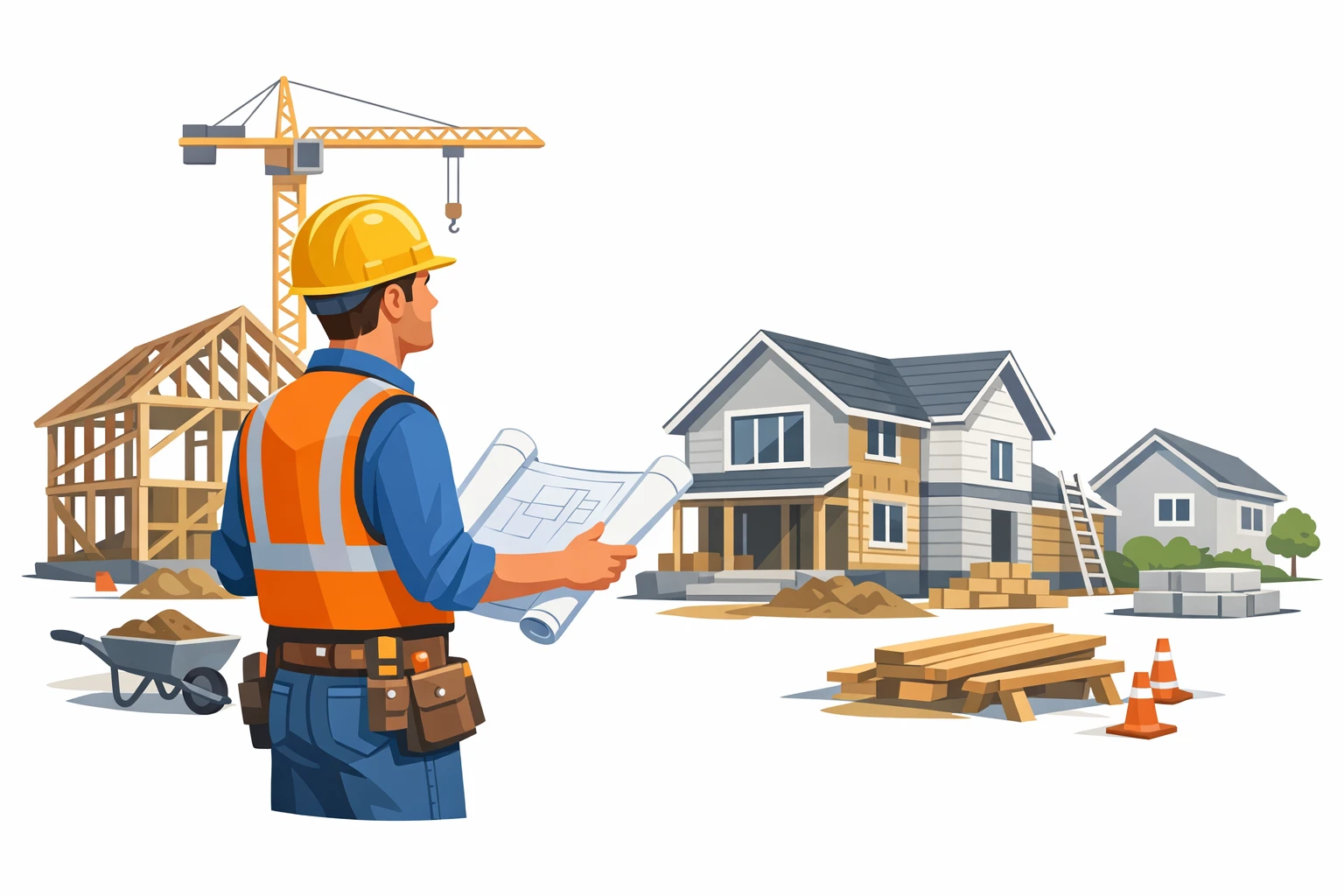
What is a Builder?
Understand what a builder does, their key responsibilities, the different types of builders, and the numerous applications of the trade in New South Wales.
Looking for one? See our ranking of 28 builder in Sydney
How a Builder Works
A builder, also known as a building contractor, is a professional who oversees and manages the construction of buildings. The work typically begins with understanding the client's vision for the space. A builder often works in collaboration with architects to bring these concepts to life. They manage the construction process, implementing building plans, and ensuring compliance with state and local laws, such as those in NSW. Part of their tasks may involve performing physical construction work, whether it's framing homes or laying foundations.
The builder's role extends beyond the construction phase. They're also responsible for hiring and managing subcontractors, securing necessary permits, sourcing materials, and budget management. They ensure the safety standards are adhered to at the construction site, and also catch potential design issues early to prevent expensive fixes later. The process involves constant communication with the client, architects, subcontractors, and government authorities. Builders require expertise in construction, project management, and regulations, making them an integral part of any construction project.
Key Components of a Builder

1. Construction Knowledge: A builder has deep understanding of construction techniques and materials.
2. Project Management Skills: Builders must be adept at coordinating various aspects of construction projects simultaneously.
3. Regulatory Compliance: They must understand and comply with building codes, safety regulations, and environmental standards.
4. Problem-solving Abilities: Unforeseen issues often arise during construction; it's the builder's job to handle these efficiently.
5. Communication: Builders must effectively communicate with clients, subcontractors, architects, and regulatory officials.
6. Budget Management: A critical part of a builder's role involves managing project costs without compromising quality.
Types of Builders
Here are some common types of builders:
1. Residential Builders: Specialise in building homes for individuals or families.
2. Commercial Builders: Focus on constructing commercial properties like offices or retail spaces.
3. Industrial Builders: Handle the construction of factories, warehouses, or power plants.
4. Renovation Builders: Specialise in renovating or remodeling existing structures.
5. Sustainable Builders: Advocate for environmentally-friendly construction techniques.
Type | Best for | Notable Differences Residential | Homes for individuals or families | Mainly works on projects related to housing. Commercial | Commercial projects like offices or retail spaces | Often involved in large-scale projects with bigger budgets. Industrial | Industrial projects such as power plants | Handles complex and large-scale projects. Renovation | Remodeling existing structures | Specialises in renovations, which often involve working with diverse historical materials and codes. Sustainable | Eco-friendly construction | Prioritises the use of sustainable, energy-efficient techniques, and materials.
Benefits of a Builder
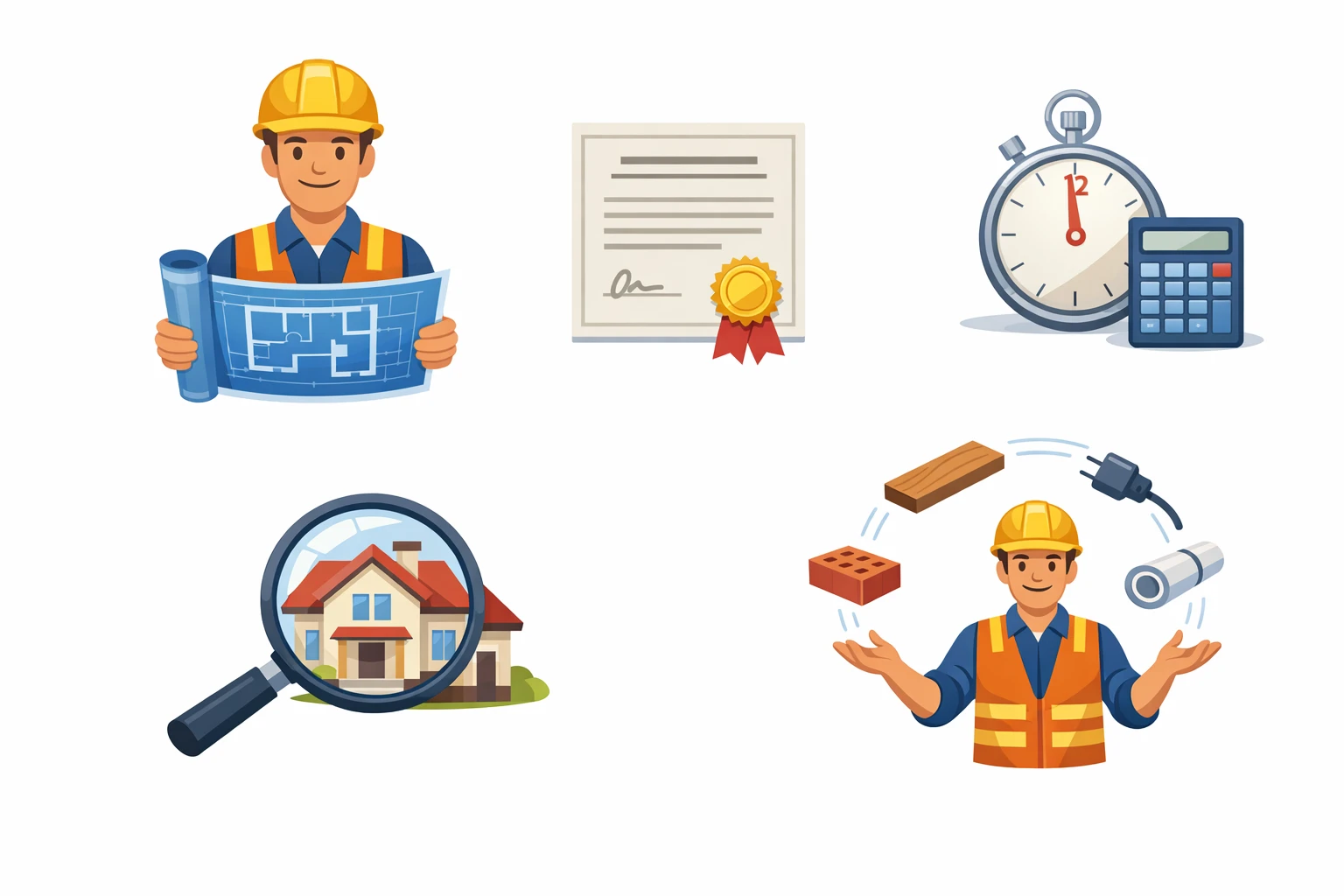
Benefit | Description Expertise | Builders possess technical construction and project management skills. Compliance | They help ensure projects meet building codes and regulations. Time and Cost-Efficient | Builders can save clients time and money by streamlining the construction process and managing budgets effectively. Quality Assurance | Builders ensure the quality of construction, detecting and fixing issues early on. Handlers of Complexity | Builders manage multiple processes, making the construction process less stressful for clients.
Choosing to work with a professional builder can make the process smoother, more efficient, and possibly, more successful. They're familiar with the many steps involved from conception to completion, making your construction or renovation project less of a daunting task to tackle.
Use Cases or Applications
1. Constructing a new home: Residential builders are sought after when individuals or families are looking to build a new home.
2. Commercial building construction: Businesses may need commercial builders to create a new office space or retail location.
3. Industrial settings: Industrial builders are required for the construction of factories or warehouses.
4. Renovations: Homeowners or businesses looking to renovate or remodel their property may engage a renovation builder.
5. Heritage restorations: Builders with a specialty in restoration are often involved in heritage projects.
6. Energy-efficient buildings: Sustainable builders can assist in creating an environmentally-friendly construction project.
7. Complex architectures: Builders have the expertise required to construct complex or unique architectural structures.
Considerations Before Adoption
- Is the builder licensed and insured? - Does the builder have experience with projects similar to yours? - Can the builder provide references from past clients? - How does the builder handle changes or challenges during the construction process? - Does the builder offer a warranty on their work? - Does the builder's estimate fit within your budget? Are the costs transparent and detailed?
Before hiring a builder, make sure to ask these vital questions. It's crucial to understand what you're signing up for and to ensure your builder is the right fit for your project.
Common Misconceptions
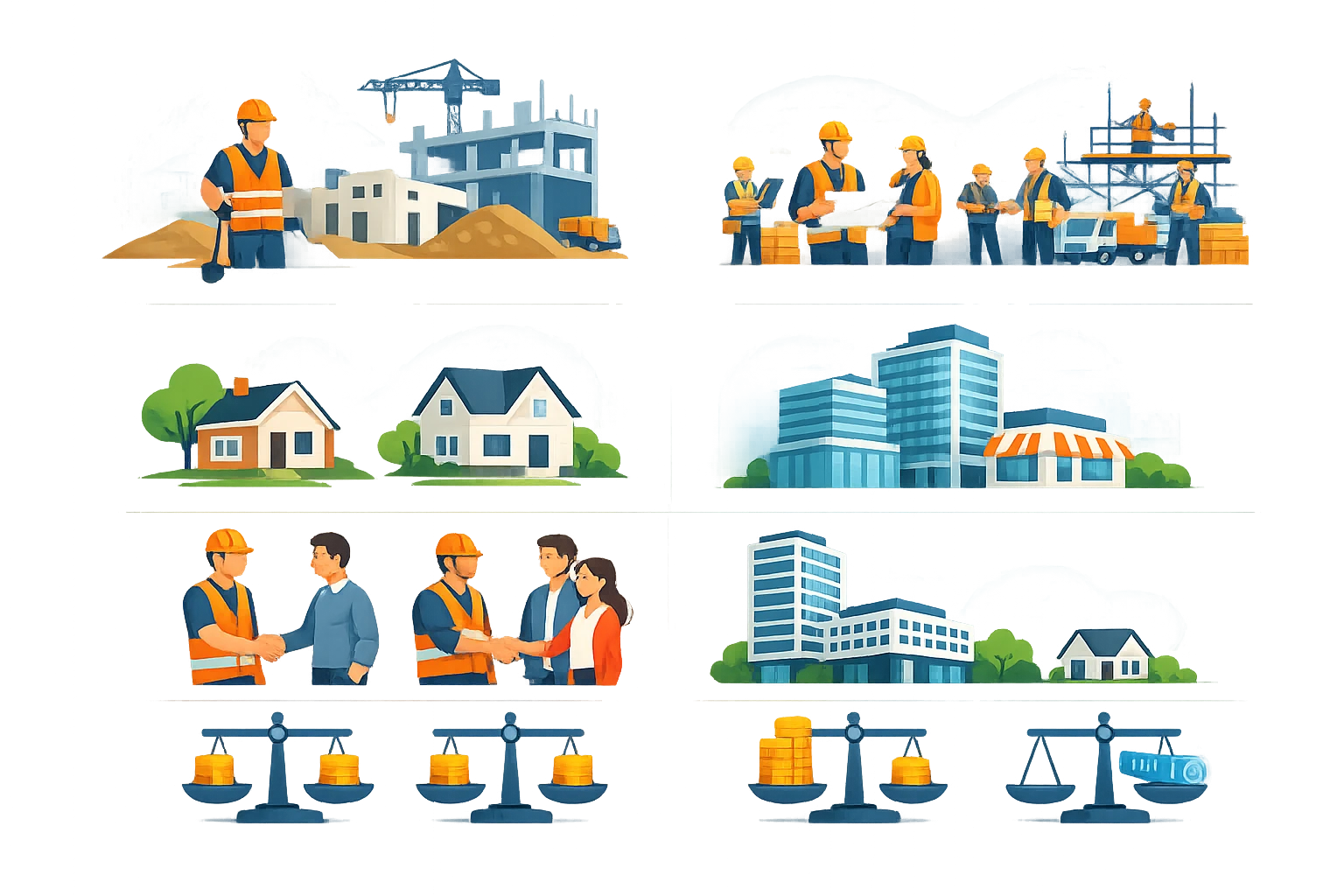
Myth: A builder only constructs buildings. → Reality: Builders handle many aspects of a project, from coordination and communication to ensuring regulatory compliance and material sourcing.
Myth: All builders are the same. → Reality: Builders specialize in different areas like residential, commercial, industrial, or sustainable construction.
Myth: A builder's responsibility ends when construction is over. → Reality: Many builders offer after-service warranties and often assist with necessary repairs and maintenance.
Myth: Only large projects need builders. → Reality: Builders can provide value in projects of all sizes, including renovations and small-scale constructions.
Myth: Hiring a builder is always expensive. → Reality: The cost of hiring a builder varies, but the value they bring in terms of experience, time-savings, and problem-solving can offer significant savings.
Future of Builders
The future of the building industry seems to be moving towards sustainable and energy-efficient construction. This trend is being driven by increased awareness of environmental issues and the desire to reduce energy consumption and carbon footprint. Builders will likely need to stay updated with green building materials, energy-efficient technologies, and sustainable construction practices. Furthermore, the use of advanced technology and software in the construction process could become more mainstream, helping builders to improve efficiency, reduce mistakes, and enhance safety on the construction site. While the role of builders will remain vital, the methods and materials they use may continue to evolve in line with technological advancements and changing societal expectations.
Related Concepts and Comparisons
Builders are just one part of the construction industry. Here's a comparison of builders with some related roles:
Role|Responsibility|Best for Builder|Overseeing and managing construction|Projects that require coordination of many elements Architect|Designing the structure and aesthetics|When you need unique or complex design elements Engineer|Ensuring the structural integrity of the building|Projects where structural challenges are present, such as high-rise buildings Interior Designer|Optimising indoor space and aesthetics|When the interior look and feel are priority
It's key to clarify roles and responsibilities before a construction project begins, ensuring all professionals involved work together seamlessly for a successful outcome.
Conclusion
In summary, a builder is an essential figure in any construction project. Their extensive expertise, ability to manage various construction elements, and commitment to achieve your vision can significantly enhance the success of your project, whether it's residential or commercial, a new build or a renovation. As builders in NSW and across Australia continue to adapt to sustainable practices and technology, they remain invaluable in turning architectural blueprints into tangible realities.
Common questions
- What skills does a builder need?
- A builder needs a varied skill set ranging from technical construction knowledge, project and budget management, problem-solving abilities, to effective communication.
- Do all builders perform the same tasks?
- No, not all builders perform the same tasks. Their responsibilities can vary based on their specialisation such as residential, commercial, industrial building or renovations.
- Why is it important to hire a licensed builder?
- A licensed builder ensures that the construction meets the necessary building codes and regulations. This is essential for safety, insurance, and for any future sale of the property.
- Can a builder handle renovation projects?
- Yes, there are builders who specialise in renovations and remodels, alongside those who focus on new constructions.
- Is a builder responsible for hiring subcontractors?
- Yes, in many cases, the builder is responsible for hiring and managing subcontractors to complete specialized tasks during the construction.
- Can a builder help with the design process?
- While a builder primarily focuses on the construction phase, they do collaborate with architects and provide valuable input during the design process based on their practical expertise.