What is a Carpenter?
Learn what a carpenter does, the key components of carpentry, different types of carpenters, misconceptions, and future outlook in the field.
Looking for one? See our ranking of 21 carpenter in Sydney
How a Carpenter Works
A carpenter is a trained professional skilled in working with wood to construct, install, and maintain buildings, furniture, and other objects. The work can be physically demanding as a carpenter might have to climb, lift heavy items, and work outdoors in various weather conditions.
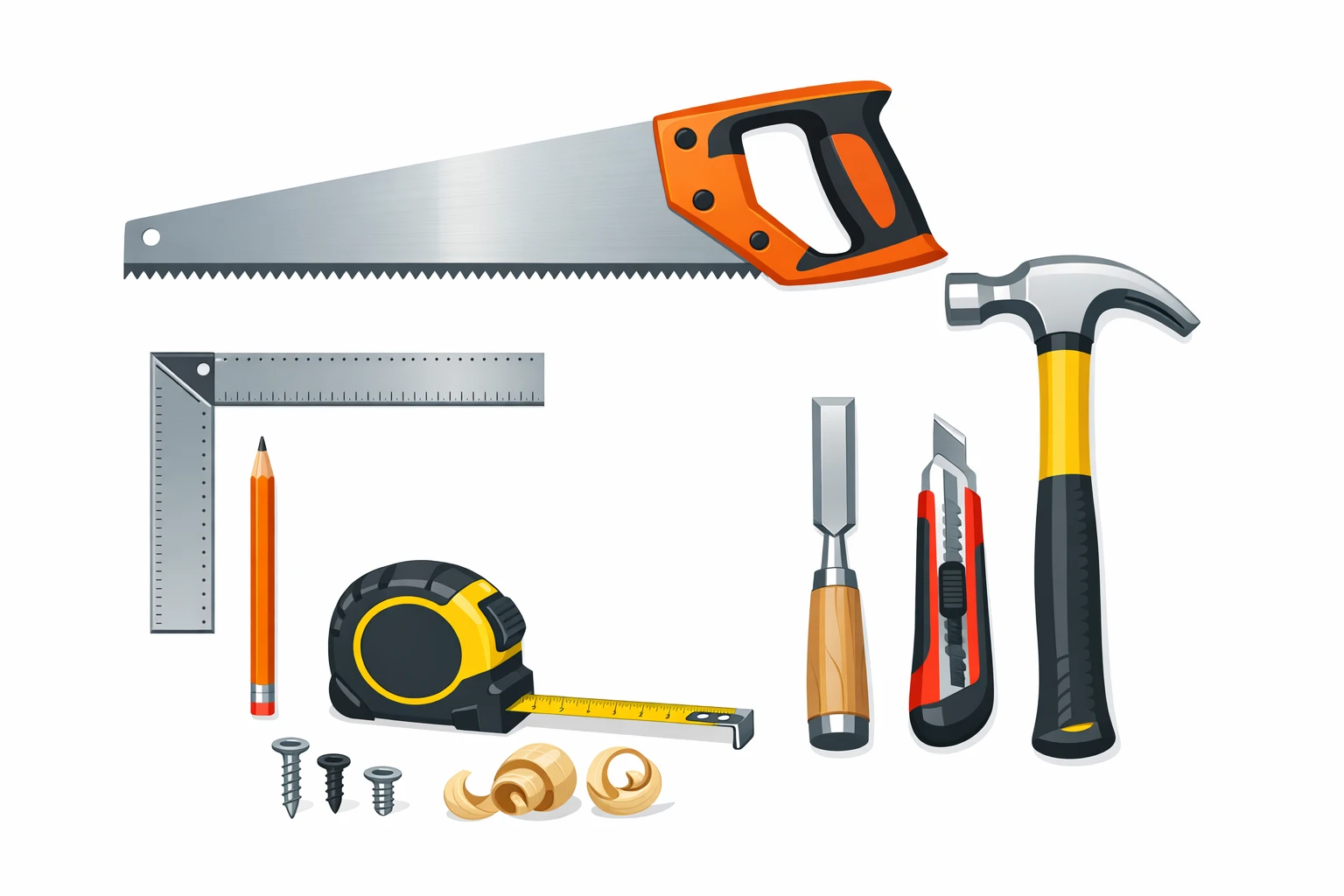
A carpenter's work often involves measuring, cutting, and assembling wood, using a variety of tools and equipment. A carpenter's work can consist of manual tasks like sawing and nailing, but may also involve more complex duties such as interpreting blueprints, installing structures and fixtures, and ensuring the quality of the work meets prescribed standards.
Carpenters in Sydney, NSW, commonly work in residential or commercial settings, sometimes specialising in a particular type of work such as framing, finishing, or kitchen installations. The workflow can vary greatly depending on the type and scope of the project, but standard stages generally include designing, measuring, cutting, assembling, and installing. Maintenance and repair of existing wooden structures or furniture are also frequent tasks.
Key Components of a Carpenter

Hand-eye coordination: This is crucial for accurately measuring, cutting, and fitting pieces of wood.
Physical strength and stamina: Carpentry can be physically demanding as it often involves lifting heavy materials and working for extended periods.
Problem-solving skills: Carpenters need to determine the best way to cut and fit pieces of wood, especially in custom jobs where specific requirements must be met.
Blueprint reading: Understanding blueprints, sketches, and architectural diagrams is necessary for many jobs.
Attention to detail: Precision in measuring and fitting is completely vital in order to avoid costly mistakes and produce a quality finished product.
Types of Carpenter
Carpenters can specialize in various areas, depending on their interest and level of expertise:
Residential Carpenter: They usually work on homes and small buildings.
Commercial Carpenter: They work on commercial properties like malls, skyscrapers, schools, and hospitals.
Industrial Carpenter: They work on civil engineering projects and in industrial environments.
Furniture Carpenter: They specialize in creating and repairing furniture.
Finish Carpenter: they’re skilled in fine woodworking and intricate work.
Type | Best for | Complexity Residential Carpenter | Homes and small buildings | Moderate Commercial Carpenter | Commercial properties | High Industrial Carpenter | Industrial environments | High Furniture Carpenter | Making and repairing furniture | Varies Finish Carpenter | Fine woodworking | High
Benefits of a Carpenter

Professionalism: A professional carpenter has the experience and skills to ensure quality workmanship.
Creativity: Carpenters can help bring creative woodworking ideas to life.
Time-Efficiency: A carpenter knows the best techniques and methods to save time without sacrificing quality.
Risk Reduction: Hiring a carpenter reduces the risk of personal injury from DIY work.
Guidance: A carpenter can provide expert advice to help you make informed choices about materials and designs.
Benefits | Description Professionalism | Ensures quality workmanship Creativity | Helps realise woodworking ideas Time-Efficiency | Saves time Risk Reduction | Reduces risk of personal injury Guidance | Provides expert advice
Use Cases or Applications
Cottage construction in regional NSW: Carpenters play a vital role in constructing holiday homes or cottages in regional NSW.
Home renovations: Carpenters are often hired for home renovation projects to build, remodel, or repair wooden structures.
Installations: Carpenters install built-in furniture like shelves, cabinets, and wardrobes.
Datum Building's new office in Sydney: A carpenter works on commercial constructions like this one, ensuring quality work and timely completion.
Historical building restoration: In projects like the restoration of historical buildings, carpenters who specialize in restoring old woodwork are employed to preserve the original craftsmanship.
Kitchen remodel: A common job for carpenters is the installation of custom kitchen cabinets.
Outdoor living space: Carpenters are ideal for constructing wooden structures like pergolas, decking, and outdoor furniture.
Considerations Before Adoption
When considering hiring a carpenter, one must think about the following:
- Does the carpenter have the necessary license for the specific work you need? - Can the carpenter provide references or samples of past work? - Is the carpenter insured in case of accidents on your property? - Does the carpenter understand the design and aesthetic you're aiming for? - Are you comfortable with the quoted price and payment schedule? - Does the carpenter's availability align with your project timeline? - Are all terms and conditions of the work clearly outlined in the contract? - Do you feel confident in the carpenter's ability to deliver the project to your satisfaction?
Common Misconceptions

Myth: Carpenters only work with wood. → Reality: While wood is their primary material, carpenters also work with other materials like concrete and metal.
Myth: All carpenters do the same type of work. → Reality: Carpenters can specialize in different areas such as residential, commercial, or furniture carpentry.
Myth: Carpenters only build things from scratch. → Reality: Carpenters also repair, maintain, and remodel existing structures.
Myth: Carpentry doesn't require much skill or training. → Reality: Carpenters undergo significant training and need to master a variety of skills.
Myth: Hiring a carpenter is always expensive. → Reality: The cost of hiring a carpenter can vary greatly depending on the project, materials, and the carpenter's experience.
Future of Carpenter
The future of carpentry is expected to be influenced by technological advancements. Virtual reality, for instance, may be used for realistic and interactive presentations of carpentry projects. Computerized numerical control (CNC) machines are already making precise cuts and designs possible at a scale and speed humans can't match. Green building practices may also influence the materials and methods used by carpenters. While technology will play a growing role, the need for qualified, skilled carpenters is unlikely to diminish. In particular, carpenters who stay abreast of technology and sustainability trends will be well-positioned for the future.
Related Concepts and Comparisons
Carpenter vs Joiner: Carpenters generally do a wider range of work, while joiners are professionals who specialize in wood joining.
Carpenter vs Cabinetmaker: Cabinet makers are carpenters who specialize in making cabinets and other fine wood furniture.
Carpenter vs Handyman: While both can do repair and maintenance work, a carpenter typically works with wood and handles more complex projects like construction or remodelling.
Role | Definition | Complexity Carpenter | Jack of all trades in woodworking | High Joiner | Specializes in wood joining | Moderate Cabinet Maker | Specializes in making cabinets | High Handyman | Does repair and maintenance work | Low
Conclusion
Being a carpenter is a versatile and rewarding career choice. Carpenters have a wide range of specialisations and play a critical role in various construction and renovation projects. Whether you are considering hiring a carpenter for a project or exploring a career in carpentry, understanding the profession gives you the knowledge to make informed decisions. Always make sure to talk to a qualified professional when considering carpentry work for your home or business.
Common questions
- What education does a carpenter need?
- A carpenter typically needs a high school diploma or equivalent. They then undertake an apprenticeship, which includes both classroom instruction and paid practical training on-the-job. Some also take vocational courses related to carpentry.
- Do I need to hire a carpenter for small home repairs?
- It depends on the complexity of the repair. For simple repairs, a handyman might suffice. However, for repairs that require craftsmanship or structural knowledge, you should hire a professional carpenter.
- How much does it cost to hire a carpenter in NSW?
- The cost can vary depending on the scope of the project, the experience of the carpenter, and the materials required. Always request a quote before the start of any work.
- Is carpentry a good career?
- Carpentry can be a rewarding career for individuals who enjoy working with their hands, solving problems, and creating. Its physical nature and variety in the type of work make it appealing to many.
- Is carpentry dangerous?
- Carpentry can be hazardous if safety precautions are not strictly followed. Risks include injuries from tools and lifting heavy materials, and exposure to harmful substances. However, with proper safety practices, the risks can be greatly reduced.
- What's the difference between a carpenter and a joiner?
- Both carpenters and joiners work with wood, but their roles are different. A carpenter usually works on a construction site, building or repairing structures. A joiner, on the other hand, usually works in a workshop, producing wooden products like doors and windows.