What is Door Installation?
An extensive guide to understanding what door installation is, its various types, key components, benefits, use cases and misconceptions.
Looking for one? See our ranking of 43 door installation in Sydney
How Door Installation Works
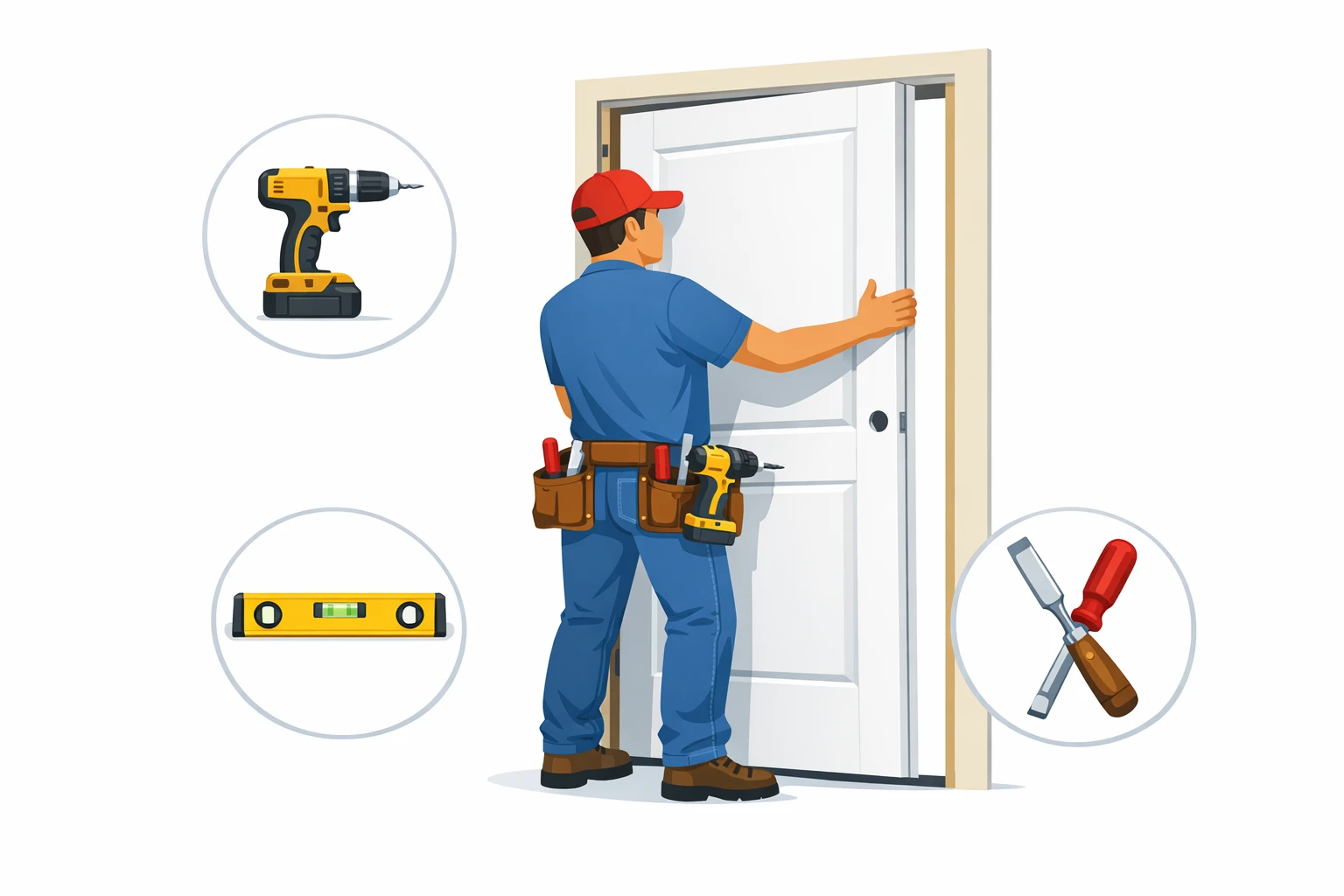
Door installation often involves several steps and requires careful workmanship. It begins with the selection of a suitable door. This can range from solid wood doors, glass doors to other materials, each chosen based on the homeowner's aesthetic preference and/or need for durability, privacy or insulation.
Next, the space where the door is to be installed is prepared. This involves removing the old door if any, taking measurements of the door frame and ensuring it is level.
The new door is then placed within the frame, checked for fit and adjusted if needed. Hinges are fitted onto the door and frame, ensuring that the door can open and close without any friction against the floor or the frame.
In many cases, depending on the type of the door, additional elements such as door handles, locks, and other hardware are installed. These items can differ in complexity based on design choice or security needs.
In some cases, especially in new constructions or renovations, a professional might be required to create new door frames before the installation process begins.
Key Components of Door Installation
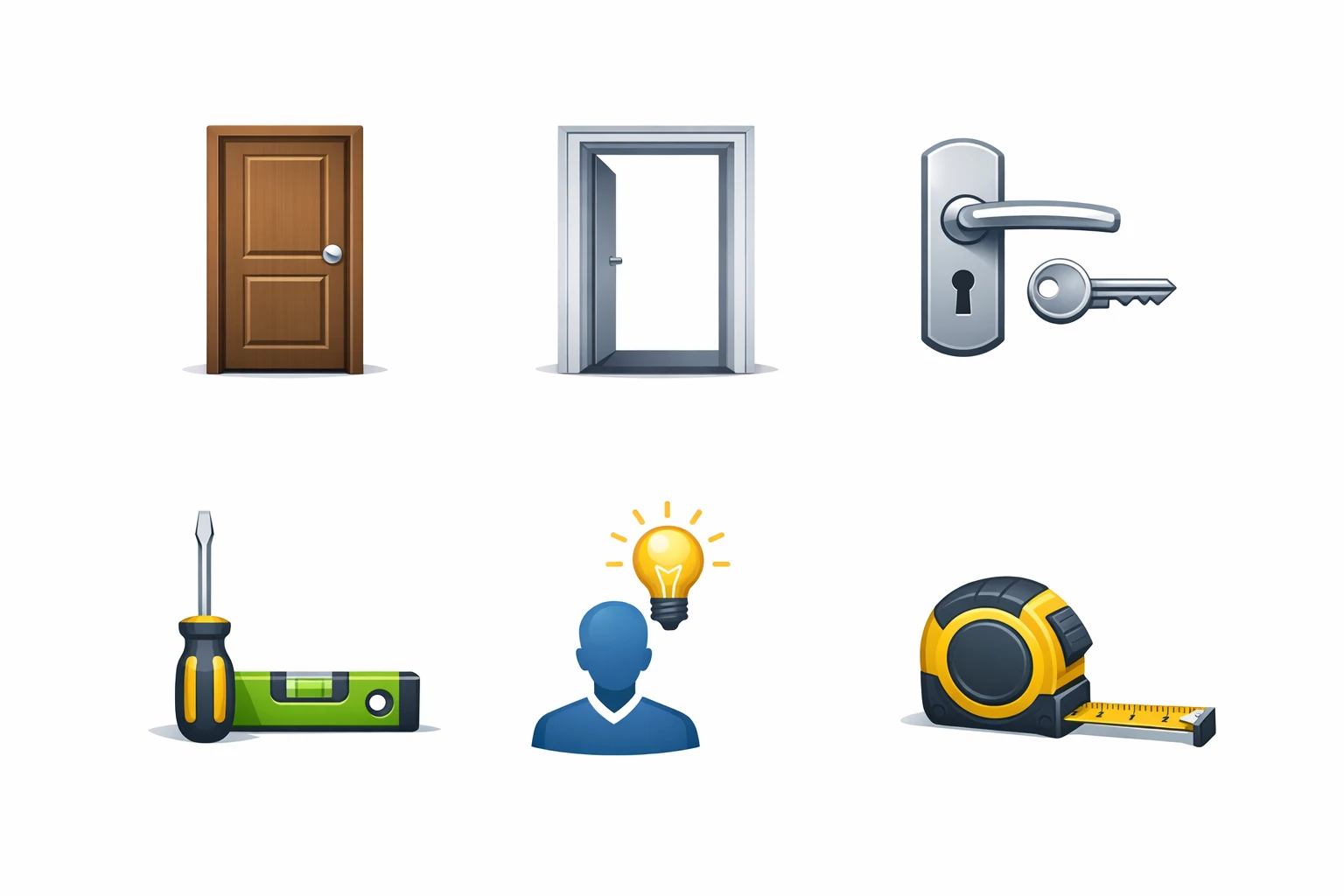
1. The Door: This is the main component. It can be made from various materials such as wood, glass or steel.
2. Door Frame: The frame in which the door is installed. It must be level and sturdy to ensure the efficient operation of the door.
3. Door Hardware: This includes components like hinges, door handles, and locks. The choice of hardware can greatly impact the functionality and security of the door.
4. Tools: Various tools are used during the installation process. These can range from levels, screwdrivers, to drills and more.
5. Skills and Knowledge: Door installation requires handiness and understanding of the task. While some might attempt a DIY project, others prefer hiring a professional with such skill set.
6. Measurements: Precise measurements are essential as they ensure the door fits properly into the existing or new door frame.
Types of Door Installation
Door installation can vary based on the type of door being installed. Here's a simple comparison to understand their best use, cost, and complexity.
Type | Best for | Cost | Complexity Interior Door | Rooms within the house | Medium | Moderate Exterior Door | Outer entrances of the house | High | High Sliding Door | Patios or large windows | High | High Bifold Door | Closets, pantries | Medium | Moderate French Door | Interior room divider or external patio door | High | High Pocket Door | Small spaces where swinging doors aren’t feasible | High | Very High
Benefits of Door Installation

Benefit | Description Improved Aesthetics | New doors can greatly improve the look and feel of a home. Increased Security | Strong, well-installed doors can provide an additional level of security. Improved Insulation | Certain types of doors can provide better insulation, proving useful in temperature regulation. Noise Reduction | Doors can also play a role in reducing noise transmission between rooms or from the outside.
Whether it's an aesthetic improvement, increased security, or better temperature control, there's many benefits to a professional door installation. In addition, the installation of specialized doors like soundproof doors can result in significant noise reduction - an essential consideration for busy areas or certain apartment buildings in Sydney and across NSW.
Use Cases or Applications
1. Home Renovations: Door installations are common during renovations to upgrade existing doors or install new ones.
2. Constructing new homes: Doors are essential components in new home builds.
3. Office Buildings: Door installations are prevalent in new office buildings or those being refurbished.
4. Public Buildings: Installations in schools, libraries, and other public buildings are common.
5. Restaurants and Cafes: These often require specialty doors like swing doors for kitchen areas or glass doors for patios.
6. Historical Buildings: Special care is often taken to install or refurbish doors as per the period decoration.
7. Hotels and Resorts: These establishments require various types of doors, from heavy-duty security doors to aesthetically pleasing ones in the lobbies and rooms.
Considerations Before Adoption
Before proceeding with door installation, consider the following:
- Does the existing door frame need repairing or replacing? - What is the main purpose of the door (security, aesthetics, privacy)? - Do the doors comply with the local building codes in NSW? - What is the project's budget, and does it cover potential extra costs for professional installation?
By considering these factors, residents in Sydney and throughout NSW can ensure a smoother door installation process with fewer surprises.
Common Misconceptions
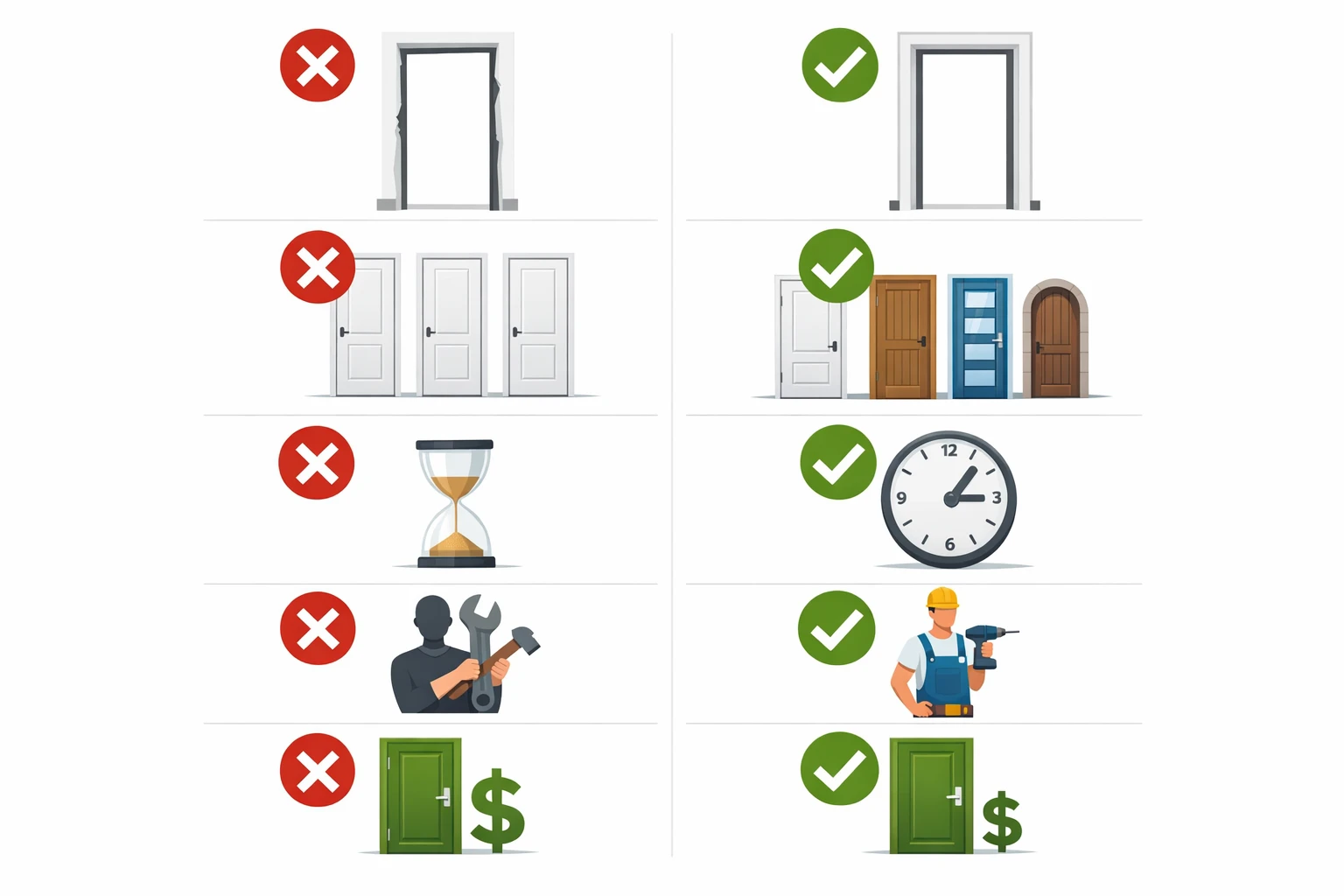
Myth: Any Door Will Fit Any Frame → Reality: Doors and frames differ greatly. Careful measurement is essential for a good fit.
Myth: All Doors are Created Equal → Reality: Doors vary in materials, construction, and purpose which affects durability, security, and insulation.
Myth: Door Installation is a Quick Process → Reality: Proper installation can take several hours, even for professionals.
Myth: Door Installation is an Easy DIY Task → Reality: While some might manage a basic door install, a quality installation often requires professional skills and tools.
Myth: Cheaper Doors are Worth the Savings → Reality: While initial costs might be less, cheaper doors may have lower quality, needing early replacement and providing less security and insulation.
Conclusion
Door installation is a pivotal part of home and building construction and maintenance in Sydney and across NSW. It's essential for security, aesthetics, insulation, and noise control. Understanding its types, key components, benefits, and common misconceptions can help decision-making when considering door installation. Remember, it's always helpful to consult with a professional installer to ensure proper fit and functionality.
Common questions
- Do all doors require professional installation?
- Not all doors require professional installation. However, for some doors, especially exterior doors that require tight security and insulation, professional installation is recommended.
- Can I install a door by myself?
- If you are handy and have the right tools, you might be able to handle a basic door installation. However, for complicated installations like sliding or pocket doors, it's best to engage a professional.
- How long does it take to install a door?
- The time it takes to install a door can vary based on the type of the door and the condition of the door frame. It can range from few hours to a full day.
- What should I look for when choosing a door?
- Consider what the door will be used for – is it for security, privacy, or aesthetics? You should also consider the material, the level of maintenance it will require, and the weather conditions it will be exposed to.
- What's the cost of installing a door?
- The cost can vary greatly depending on the type of the door, the complexity of the installation, and whether old frames need replacing. It's necessary to consider all these factors when budgeting.
- Is it necessary to replace door frames during door installation?
- It's not always necessary to replace door frames during door installation. However, if the existing frame is damaged or warped, or if you're installing a bigger or smaller door, new frames will be needed.