What are electricians?
Ever wondered what an electrician does? This comprehensive guide explains what electricians are, how they work and why this profession is essential to today's living.
Looking for one? See our ranking of 42 electricians in Sydney
How Electricians Work
An electrician is a skilled professional trained to install, repair, and maintain electrical systems. They work on a variety of projects at residences, businesses, and industrial sites. The work of electricians begins with reading blueprints which are technical diagrams of electrical systems that show the location of circuits, outlets, and other equipment. They then install and connect wires to circuit breakers, transformers, outlets and other systems and components.
In a typical residential setting, electricians might install wiring for new homes or replace old systems. In businesses or industrial setups, they might install electrical equipment or onsite generators. Electricians use a range of equipment for testing conditions and ensure compatibility and safety of the electrical components installed.
In New South Wales, licensing for electricians is overseen by Fair Trading NSW. It's important for electricians to follow rules set by this authority to ensure the safety and standards of their work. Besides, insurance also plays a significant role with electricians to cover them against workplace incidents and damages. Requirements and coverage can vary, so it's best to check with a certified authority.
Key Components of Electricians' Work
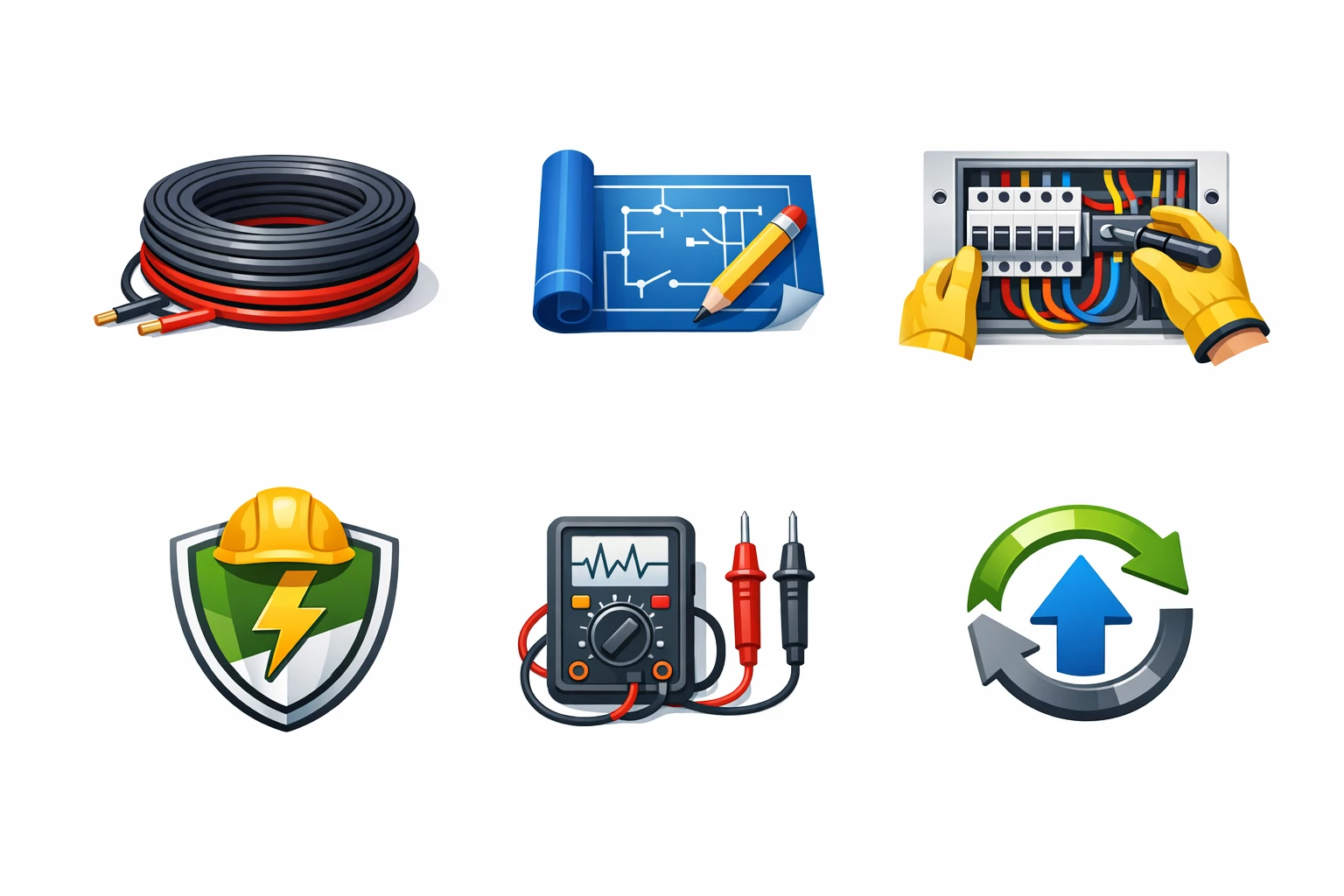
• Wiring: It's one of the most fundamental aspects of an electrician's job. They run wires through walls and ceilings to connect electrical outlets to the power source.
• Reading Blueprints: Before starting any work, electricians read blueprints to understand the layout and location of electrical wires.
• Equipment Installation: Electricians are knowledgeable about different types of electrical equipment and appliances, and they handle the installation.
• Safety Practices: Electricians follow strict safety protocols to protect themselves and the property they're working on.
• Testing: After the installation, electricians use various tools to test the electrical system and ensure it's working properly.
• Upgrading electrical systems: Electricians also upgrade outdated electrical systems to make them more efficient and safe.
Types of Electricians
Type | Description Intern Electrician | Often in the learning phase of their career. Residential Electrician | Specialize in homes and other residential buildings. Journeyman Electrician | Has more experience and can work on larger and more complex tasks. Master Electrician | Possesses the highest level of professional certification. Commercial Electrician | Primarily work in commercial settings like offices and businesses. Industrial Electrician | Specialize in working on larger industrial facilities and systems.
Benefits of Electricians
Benefit | Description Expertise | Electricians have the training and experience to handle complex wiring and electrical systems. Safety | They follow strict safety protocols, minimizing the risk of electrics-related accidents. Efficiency | Hiring an electrician ensures the work is done correctly and efficiently in the first instance, saving time and funds on repairs. Regulation Adherence | Electricians are aware of the local and national regulations and ensure any installations or repairs comply with these.
Electricians provide indispensable services that keep our homes, businesses, and industries running smoothly. By ensuring the safe and effective functioning of our electrical systems, they not only enhance comfort but also contribute to safety and efficiency.
Use Cases or Applications
1. Residential building: Electricians work on installations in new homes, renovations or repairs in existing homes. 2. Commercial settings: Businesses hire electricians for regular maintenance work, system upgrades or necessary repairs. 3. Industrial installations: Electricians work in industrial settings where they install and maintain complex electrical systems. 4. Emergency repairs: In case of an electrical failure at home or at the workplace, electricians are called for immediate repairs. 5. System upgrade: Older buildings in NSW might need an electrical system upgrade to meet the current standards, a task handled by electricians. 6. Inspection and testing: Electricians carry out inspections and testing of electrical systems to ensure safety and efficiency. 7. Streetlight maintenance: In many areas in Sydney, electricians maintain streetlight operations.
Considerations Before Hiring an Electrician
Here are a few things you might want to consider before hiring an electrician in NSW: - Is the electrician certified and licensed? - Does the electrician have the necessary insurance, including workers compensation and liability insurance? - What kind of reputation does the electrician or the firm have in the industry? - Do they have experience in the type of task you require them for? For instance, residential, commercial, or industrial work? - Can they provide any references from past clients? - Have they gone through the necessary safety training? - What is the estimated time and cost for the task?
Common Misconceptions
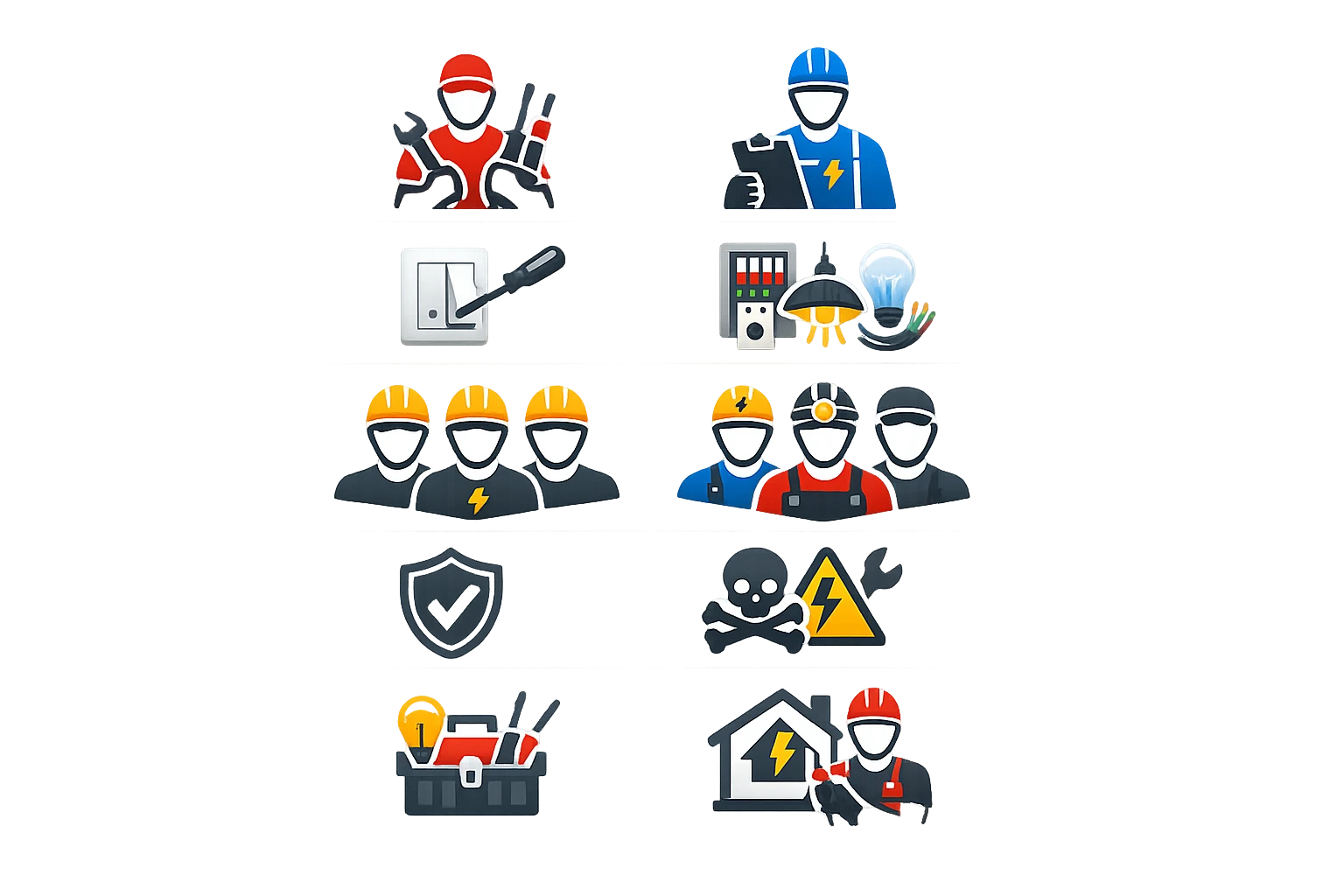
Myth: Any Handyman Can Do an Electrician's Job → Reality: Working with electrical systems requires specialized knowledge, training, and licensing.
Myth: Electricians Only Fix Broken Switches → Reality: Electricians do a variety of tasks ranging from system installation, regular maintenance, testing, to complex system upgrades.
Myth: All Electricians Do the Same Work → Reality: There are different types of electricians such as residential, commercial, and journeyman, each specializing in specific areas.
Myth: The Work of Electricians is Not Dangerous → Reality: Electricians are exposed to risks like electric shocks, falls, and burns, and hence, they follow strict safety guidelines.
Myth: You Don't Need an Electrician for Small Electrical Tasks → Reality: Even minor electrical tasks need to be carried out with care and expertise for safety reasons.
Future of Electricians
The future of electricians looks bright and promising. With the increasing dependency on electric equipment in homes, businesses, and industries, the demand for expert electricians is set to rise. Electricians of the future may need new skills as technology continues to evolve. The rise of green energy solutions like solar panels and electric cars is creating new opportunities for electricians. In many parts of the world, including NSW, electricians will likely play a crucial role in building and maintaining infrastructure for renewable energy.
Related Concepts and Comparisons
Here are some related concepts and how they compare:
Concept | Relation to Electrician | Comparison Plumber | Another vital skilled trade person | While both provide essential services, plumbers specialize in installing and repairing water systems whereas electricians work on electrical systems. Electrical Engineer | Both work with electrical systems | Electrical engineers design and develop electrical systems whereas electricians install and maintain them. General Contractor | Often hires electricians | A general contractor oversees overall construction projects whereas an electrician focuses solely on the electrical aspects. HVAC Technician | Another skilled trade similar to electricians | HVAC technicians specialize in heating, ventilation, and air conditioning systems while electricians focus on electrical systems.
Conclusion
Throughout Australia, and particularly in NSW, electricians play a crucial role in our daily lives. They ensure the smooth functioning of our homes, offices, industries, and even street lighting. Understanding the vast scope of their work, the strict safety measures they adhere to, and the expertise they bring are all steps towards recognising their indispensable contribution to modern living. If you're in need of an electrician, remember to choose a qualified and licensed professional to ensure safety and skill.
Common questions
- What type of training does an electrician need?
- An electrician typically goes through a technical training program, followed by an apprenticeship. They then need to pass a licensing exam to be certified as a journeyman electrician. After several more years of experience, they can become a master electrician.
- Are electricians in high demand?
- Yes, electricians are typically in high demand. As long as we rely on electricity for our daily lives, there will be a need for qualified electricians to install, maintain, and repair electrical systems.
- What are the risks involved in an electrician's work?
- Electricians are exposed to risks like electric shocks, burns, and falls from ladders or scaffolds. That's why it's important they follow strict safety guidelines and wear protective gear while working.
- What are the different types of electricians?
- There are several types of electricians including residential, commercial, master, journeyman, and industrial. Each type has a particular specialty and environment they work in.
- Can I do electrical work myself?
- It's not recommended to do electrical work yourself unless you have the required knowledge and training. Mishandling can lead to serious accidents. Always hire a licensed electrician for such tasks.
- How do I choose a good electrician?
- Always look for an electrician who is licensed, experienced, and has a good reputation in the community. Ensure they have the necessary insurance and can provide references from past clients.