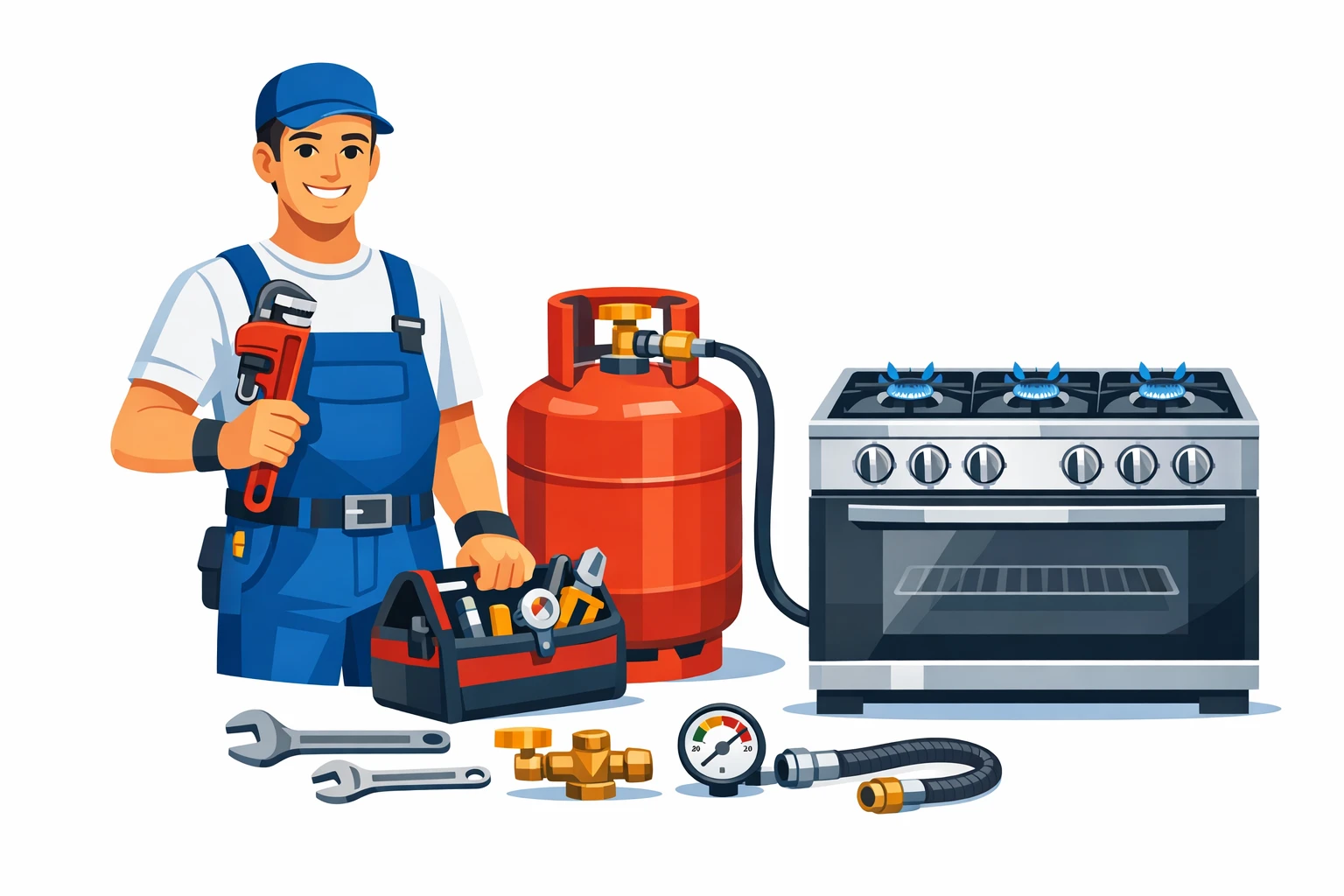
What is a Gas Plumber?
Discover what a gas plumber is, how they operate, their major components, and why they play a crucial role in maintaining the safety and functionality of gas systems.
Looking for one? See our ranking of 43 gas plumber in Sydney
How a Gas Plumber Works
A gas plumber is a professional who installs, maintains, and repairs gas systems in residential, commercial, and industrial settings. In NSW, Australia, this generally includes gas-fuelled appliances such as stove tops, heating systems, and hot water systems, among others.
When called upon, a gas plumber will first assess the situation to identify any potential issues. This could be a suspected gas leak, an underperforming heater, or a faulty stove, for example. The plumber will inspect the site, carry out diagnostic tests, and draw upon their extensive knowledge and experience to pinpoint the problem.
Once the problem has been identified, the gas plumber will then proceed to perform the necessary repairs. This may involve anything from replacing a worn-out component to fixing a leak or fine-tuning the system for optimal performance. In some instances, the gas plumber might also suggest a complete replacement of the unit if it is beyond repair or if a more energy-efficient model is available.
Additionally, gas plumbers also perform routine maintenance checks to ensure the safe and efficient operation of gas systems. This preventive approach helps in early detection of potential issues, reducing the chances of system failure or hazardous situations like gas leaks. Essentially, the role of a gas plumber extends beyond just repairing specific issues—it involves comprehensive management of gas systems to ensure safety and efficiency throughout their lifecycle.
Key Components of a Gas Plumber's Work

Assessment and Diagnosis: Initially, the gas plumber evaluates the condition of the gas system and identifies any potential issues.
Repairing and Replacing: A major part of a gas plumber's duties include fixing any malfunctions or replacing irreparable components or systems.
Routine Maintenance: Regular inspections and preventive checks are key tasks to ensure the safe and effective operation of gas systems.
Emergency Services: Gas plumbers stand ready to respond quickly to emergencies like gas leaks, which could result in hazardous situations.
Installation: They can install new gas systems or replace old ones, ensuring the setup complies with necessary regulations and standards.
Customer Guidance: Gas plumbers also advise customers on the safe use and regular upkeep of their gas installations.
Types of Gas Plumber Services
Installation | Best for new properties or during major renovations | Typically more complex than repairs
Maintenance | Best for ensuring longevity and safe use of gas systems | Requires regular visits to monitor the state of the gas system
Emergency Repairs | Essential during gas leaks or malfunctions | Often complex and requires fast response
Gas Appliance Hook-up | Ideal when replacing an old gas appliance or installing a new one | Requires proper knowledge of appliance and system specifications
Gas Pipe Replacement | Necessary when pipes are old, damaged, or leaking | Can be complex depending on the condition of the existing pipes
Pre-purchase Safety Inspections | Recommended when buying a property with existing gas systems | Can identify potential safety issues before the property purchase
Benefits of a Gas Plumber

Safety Assurance | Professionals adhere to strict safety standards, reducing risks during installations and repairs.
Expertise | With knowledge and experience, they can detect and fix complex problems that may not be visible to untrained eyes.
Cost-saving | Regular maintenance can help prevent costly repair work or replacements in the future.
Time-saving | A gas plumber can complete the job more efficiently, freeing up your time for other tasks.
A gas plumber is an asset in safety management and maintenance of the gas systems in your property. These professionals are responsible not only for improving the health of your gas system but also reducing potential risks, saving time, and eventually preventing heavy expenses caused by major malfunctions or accidents.
Use Cases or Applications
Installing a gas stove in a home kitchen in Sydney.
Performing routine maintenance check for a restaurant's gas cooking range in NSW.
Responding to an emergency call about a gas leak in an apartment building.
Installing a gas hot water system in a new property.
Replacing an old, corroded gas pipeline in a residential building.
Providing a pre-purchase safety inspection for potential home buyers in Sydney.
Hooking up a gas barbeque on a patio in NSW.
Considerations Before Choosing a Gas Plumber
Before hiring a gas plumber in NSW, consider the following:
- Is the plumber licensed to work with gas?
- Do they have adequate experience handling your specific gas systems or appliances?
- Are they able to offer emergency services in case of an immediate gas leak or malfunction?
- Are you comfortable with their pricing structure and do they provide transparent quotes?
- Do they come recommended with positive reviews from past clients?
- Are they insured, which adds an extra layer of protection in case of any unforeseen incidents?
Common Misconceptions
Myth: Any plumber can handle gas appliances → Reality: Not all plumbers are trained or licensed to work with gas. Gas plumbers require specific certifications and adhere to strict safety regulations.
Myth: Gas plumbing services are only needed in emergencies → Reality: Regular maintenance by a gas plumber can prevent possible emergencies and ensure the system's longevity.
Myth: Gas plumbers only manage repairs → Reality: Gas plumbers cover a range of services including installations, maintenance, inspections, and safety assessments.
Myth: Gas plumbing doesn't require professional help → Reality: Due to the risk associated with gas, it's important to have a professional handle gas systems to ensure safety and functionality.
Myth: Hiring a gas plumber is expensive → Reality: In the long run, hiring a professional can save money by preventing severe damage and ensuring efficient operation.
Future of Gas Plumbing
The future of gas plumbing in NSW and beyond is likely to continue evolving with technological advancements. From new, energy-efficient gas appliances to automated systems for detecting leaks or malfunctions, the role of the gas plumber may see shifts in approach. However, their fundamental responsibilities in installation, maintenance, and ensuring safety are likely to remain. Indeed, as sustainability becomes an even more vital aspect of peoples' lives, the gas plumber's ability to recommend and install gas-efficient appliances will probably grow even more important. After this, the evolution of regulations and safety standards might lead gas plumbers to acquire new skills and conform to ever-evolving rules.
Related Concepts and Comparisons
Gas Plumber | Licensed and trained to install, repair, and maintain gas systems | Knowledgeable about regulatory standards and safety protocols
Plumber | Typically handles water and sewage systems but not specifically trained in gas systems | Might lack in-depth knowledge of gas safety measures and protocols
Electrician | Specialises in electrical systems but not equipped to handle gas systems | Can't handle issues related to gas appliances and systems
HVAC Technician | Works on heating, ventilation, and air conditioning systems but not gas systems specifically | May have overlapping roles with a gas plumber but not an exact match
Conclusion
A gas plumber plays a vital role in ensuring the safety and efficient operation of gas systems in homes, businesses, and industries. They provide a wide range of specialized services from the installation of new systems to maintenance, emergency services, and advising on appropriate usage. It's highly recommended to regularly maintain your gas systems and use the services of a professional plumber for any repairs or installations, placing safety at the forefront. So, if you're in NSW or elsewhere, understanding the role and significance of a gas plumber can be the key to maintaining a safe and gas-efficient home or workplace.
Common questions
- How can I verify if a gas plumber is licensed?
- Always ask for their license number and check it with the local regulation board or online website. A legitimate gas plumber will readily provide this information.
- Why is regular maintenance necessary for gas systems?
- Regular maintenance can identify potential problems early, prolong the lifespan of the system, and ensure efficient operation. Also, it drastically decreases the likelihood of severe accidents.
- What should I do if I smell gas in my home?
- Immediately turn off your gas supply at the meter if safe to do so, vacate the premises and call a gas plumber or your gas company emergency hotline. Do not light a match or any flame.
- Can I install or repair gas appliances myself?
- It's strongly recommended to hire a professional gas plumber for these tasks due to safety hazards. Incorrect handling can lead to gas leaks or explosions.
- How often should I have my gas appliances serviced?
- It's recommended to have gas appliances inspected by a professional at least once a year, ensuring they're safe and running efficiently.
- Can a gas plumber detect a gas leak?
- Yes, a professional gas plumber has specialized equipment and the necessary training to detect and repair gas leaks.