What is Gutter Cleaning?
Uncover what gutter cleaning is, the processes, components, types, benefits, myths, and considerations. Get answers to common questions about gutter cleaning.
Looking for one? See our ranking of 32 gutter cleaning in Sydney
How Gutter Cleaning Works
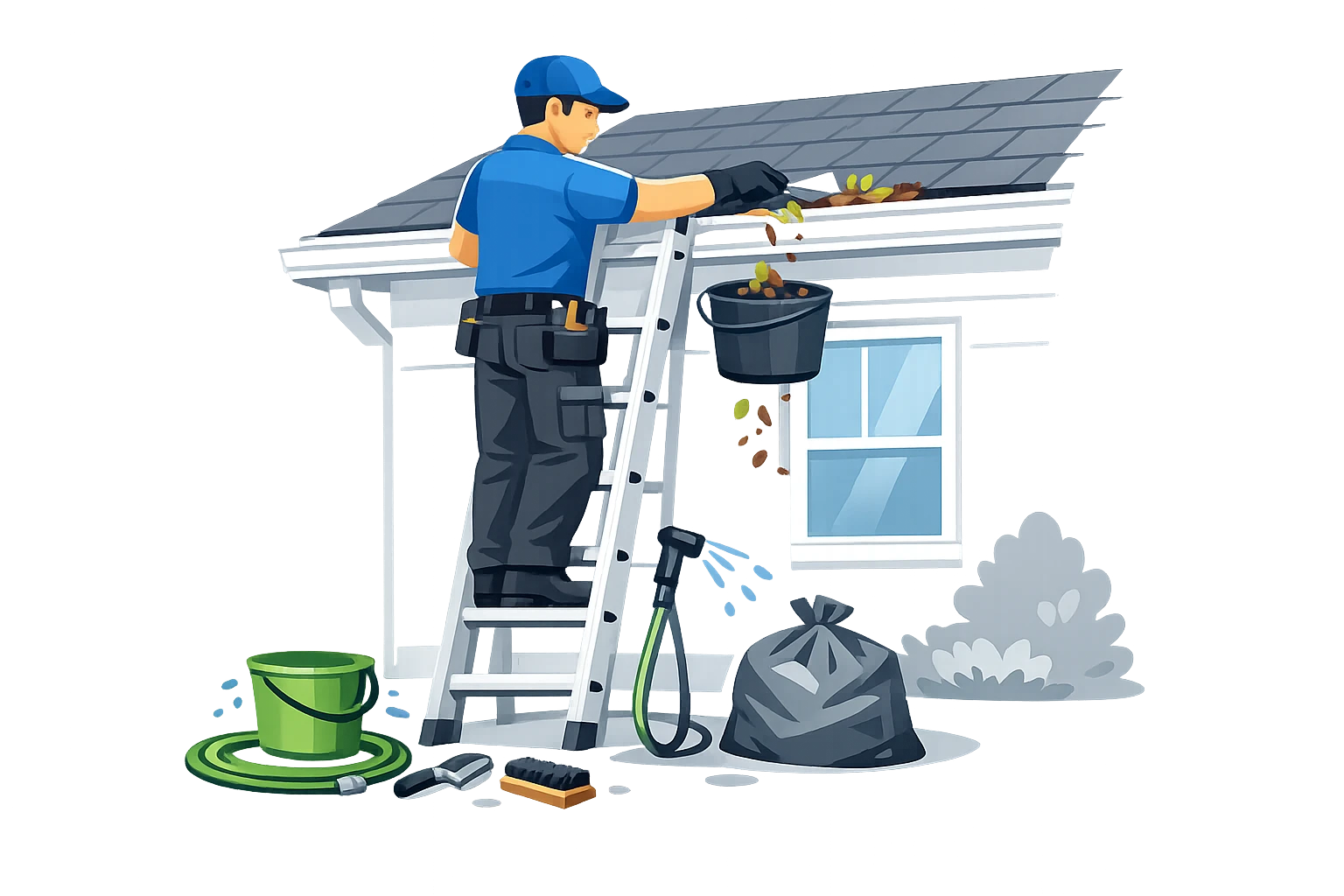
Gutter cleaning is a process often needed in homes and buildings to maintain the functionality and longevity of the property's gutters. It involves removing debris such as leaves, twigs, and other potential obstructions from the gutter system to allow rainwater to flow freely. In many cases, this work is completed using various tools, such as a gutter scoop, garden hose, and sometimes a pressure washer.
The process typically begins with the cleaning crew setting up ladders and other necessary safety equipment. Then, the accumulated debris in the gutters is manually scooped out. After the solid materials are removed, a high-pressure hose may be used to dislodge remaining particles and scrub the gutter clean. In some cases, downspouts are also cleaned to ensure a clear pathway for the water.
The frequency of the gutter cleaning can vary depending on the location and surrounding vegetation. In heavily wooded areas, for example, homeowners in NSW might want to schedule more frequent cleanings. In contrast, buildings in Sydney's city centre might need less frequent cleanings due to fewer trees. The key is to maintain gutters for free water flow, prevent blockages, and reduce the risk of damage to the building.
Key Components of Gutter Cleaning
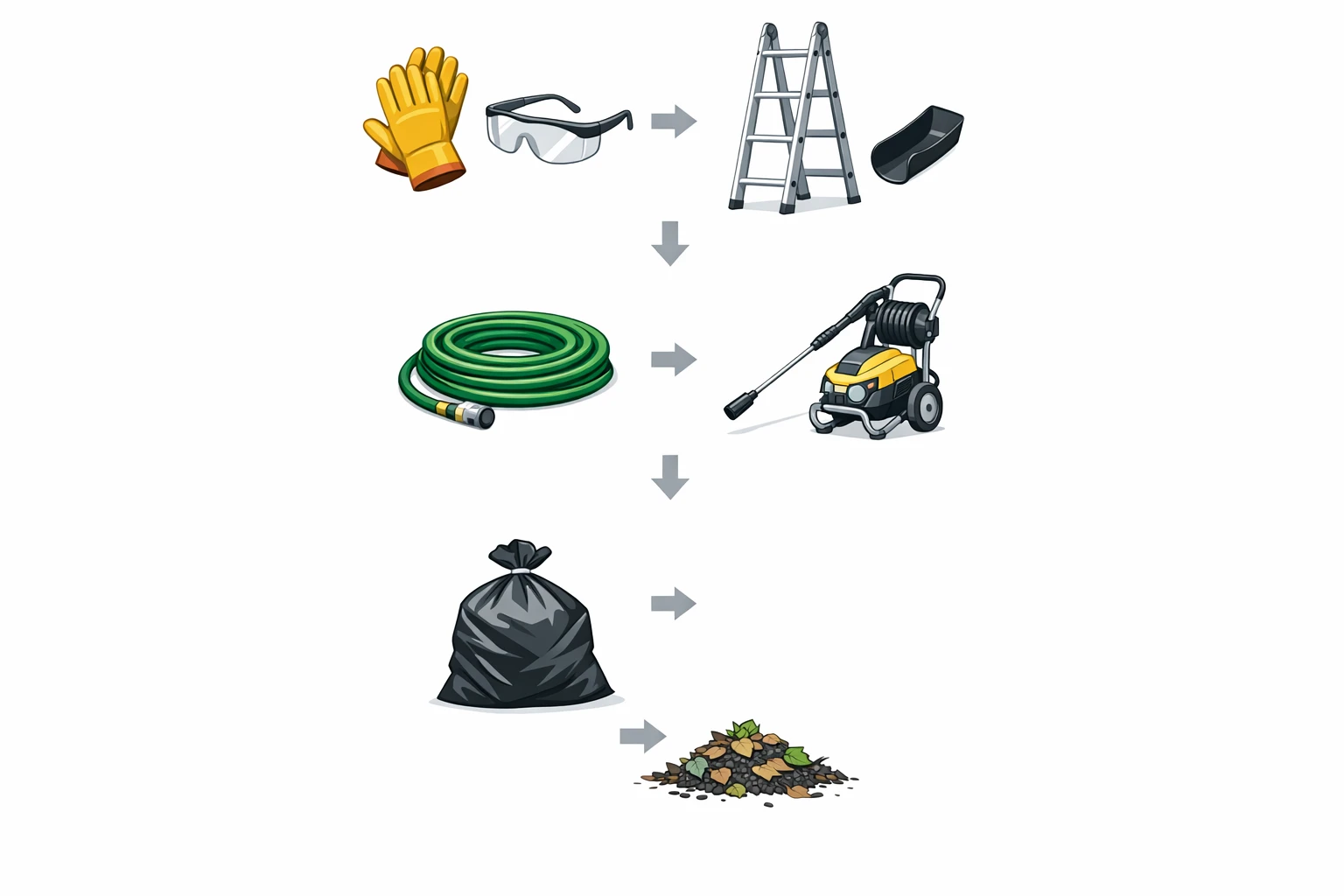
1. Safety Equipment: This includes ladders, gloves, and safety glasses to protect the cleaning crew.
2. Cleaning Tools: A gutter scoop, garden hose, and sometimes a pressure washer are typically used in the cleaning process.
3. Manual Removal: Debris like leaves and twigs are manually scooped out of the gutters.
4. Flushing: After solid debris is removed, the remaining particles are dislodged using high-pressure water.
5. Downspout Cleaning: The downspouts are also cleaned to ensure a clear pathway for water.
6. Disposal: The debris removed from the gutters is collected and properly disposed of.
Types of Gutter Cleaning
1. Manual Gutter Cleaning: Involves physically scooping out debris with a gutter scoop or similar tool. Best for lighter loads of debris and smaller jobs.
2. High-Pressure Water Cleaning: Useful when heavier debris or stubborn dirt accumulation is present. Best for tougher jobs and larger homes.
3. Robot Gutter Cleaning: Involving remote-controlled devices that scoop or brush the debris away. Best for those preferring a hands-off solution, although it might not clean as thoroughly.
4. Professional Gutter Cleaning: Services provided by trained professionals. May include services like gutter repair, maintenance, and thorough cleanups.
5. DIY Gutter Cleaning: Includes home solutions using regular tools. Recommended for those who are comfortable climbing ladders and handling the task.
Type | Best for | Complexity Manual | Light debris, smaller jobs | Medium High-Pressure Water | Heavy debris, larger jobs | High Robot | Hands-off solution | Low Professional | Thorough cleanup, additional services | Low DIY | Comfortable with ladders and tools | High
Benefits of Gutter Cleaning
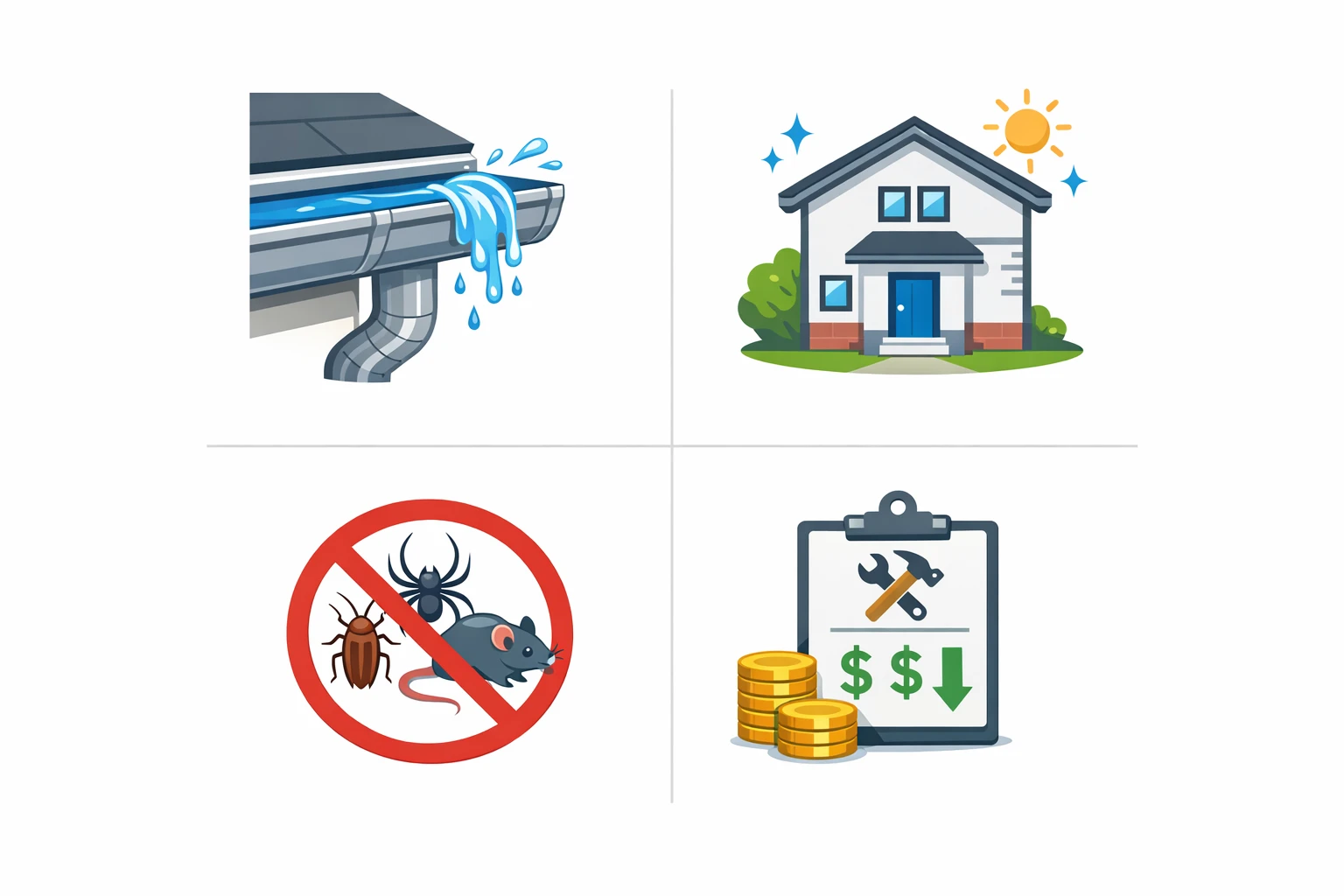
Benefit | Brief Description Prevents Water Damage | By ensuring free water flow, gutter cleaning prevents water from overflowing and damaging the buildings. Extends Gutter Lifespan | Regular cleaning extends the lifespan of your gutters, saving replacement costs in the long run. Prevents Pest Infestations | Stagnant water and debris can attract pests. Cleaning gutters regularly helps in preventing this. Reduces Gutter Repairs | Regular maintenance can help identify and fix minor issues, reducing the need for major repairs.
Cleaning your gutters regularly is crucial to ensuring effective rainfall drainage and preventing costly home repairs. It's an essential task for homeowners to add to their home maintenance checklists, whether they're in metropolitan or rural NSW.
Use Cases or Applications
1. Residential Houses: This is the most common use case, especially homes surrounded by trees where leaves and twigs mostly block the gutters.
2. Commercial Buildings: Large buildings may also require gutter cleaning services to prevent structural damage.
3. High-Rise Buildings: Gutter cleaning on high-rises typically needs specialized equipment and professional cleaners due to the height.
4. Rainwater Harvesting Systems: The gutters leading to these systems should be kept clean to prevent contamination.
5. Periodic Maintenance: As part of home maintenance, gutter cleaning is recommended at least twice a year, although this may vary depending on the location and the amount of vegetation around the property.
6. After Storms: In regions like NSW that periodically experience intense storms, gutter cleaning after such events is often necessary to remove storm debris.
7. Prep for Sale: When preparing a home for sale, a clean, functioning gutter system can add to the home's appeal and reduce potential buyer concerns.
Considerations Before Adoption
- Do you have the necessary safety equipment to perform gutter cleaning? - How frequently do your gutters seem to fill with debris? - Are you physically able to use a ladder and manually scoop out gutter debris? - Are there local services that offer professional gutter cleaning? - Have you considered the costs, including potential repairs, associated with clogged gutters? - Could you be benefiting from additional services offered by professional cleaners? - Are there regulatory requirements for disposing of gutter waste materials in your area? - What is the potential damage to your gutters and home if regular cleaning is not done?
In NSW, many residents choose to hire professional services for gutter cleaning. This is often because the process can be time-consuming and potentially dangerous for those not accustomed to using ladders or dealing with heights.
Common Misconceptions

Myth: Gutter cleaning isn't necessary if there are gutter guards. → Reality: While they reduce the amount of larger debris, smaller particles can still accumulate over time and require cleaning.
Myth: Gutter cleaning can be done just once a year. → Reality: The frequency can vary based on regional weather and the number of trees near the property. Twice a year is often recommended.
Myth: Gutter cleaning is a simple DIY job. → Reality: While some are comfortable and capable, for many it's a significant undertaking involving ladder safety and physical labour.
Myth: All professional gutter cleaning services are the same. → Reality: The quality of work, services, equipment and experience may vary significantly. It's always good to check reviews and ask for recommendations.
Myth: Gutters aren't essential and hence, doesn't require cleaning. → Reality: A functioning gutter system is vital for preventing water damage to the structure of the property.
Future of Gutter Cleaning
The future of gutter cleaning may likely involve more automation and safer, more efficient tools. Already, there are robotic cleaners which can lessen the manual labour involved. Additionally, advancements in gutter design and materials can also decrease the frequency of required cleanings. Practices in NSW and beyond may evolve as new technologies are developed. While the importance of gutter cleaning will likely remain the same, the methods and technologies used may change significantly in the future.
Conclusion
Gutter cleaning is a necessary aspect of home maintenance. It can prevent water damage, extend the life of your gutters and even contribute to pest prevention. Whether you undertake this task yourself or call in professionals, it's a responsibility that shouldn't be overlooked. Remember, the key is to maintain gutters for free water flow, prevent blockages, and reduce the risk of damage to the building. Don't wait until damages escalate. Organize a routine gutter cleaning schedule to protect your property in the long run.
Common questions
- Why is gutter cleaning necessary?
- Gutter cleaning is crucial to maintain the functionality of your gutters, prevent water damage to your home, and avoid costly repairs down the line.
- How often should gutters be cleaned?
- The frequency of gutter cleaning can vary based on your location and the amount of trees near your property. However, it's generally recommended at least twice a year.
- Can I clean my gutters myself?
- Yes, gutter cleaning can be a DIY task. However, it involves climbing ladders and manually scooping out debris, which can be risky without the appropriate safety precautions.
- What are the signs that my gutters need cleaning?
- Signs that your gutters may need cleaning include water spilling over the sides, plants growing out of the gutters, sagging or pulling away from the house, or staining on the sides of your house.
- Are gutter guards a replacement for cleaning?
- No, gutter guards can reduce the amount of larger debris that gets into your gutters but they don't eliminate the need for regular cleaning as smaller particles can still accumulate over time.
- Do professional gutter cleaners repair gutters as well?
- Some professional gutter cleaning services may offer minor repairs or maintenance as part of their services. It is best to ask what services are included when booking.