What is home extensions?
Make informed decisions about home extensions in NSW. Learn how it works, understand key components, explore types, benefits, use cases, and more.
Looking for one? See our ranking of 32 home extensions in Sydney
How Home Extensions Work
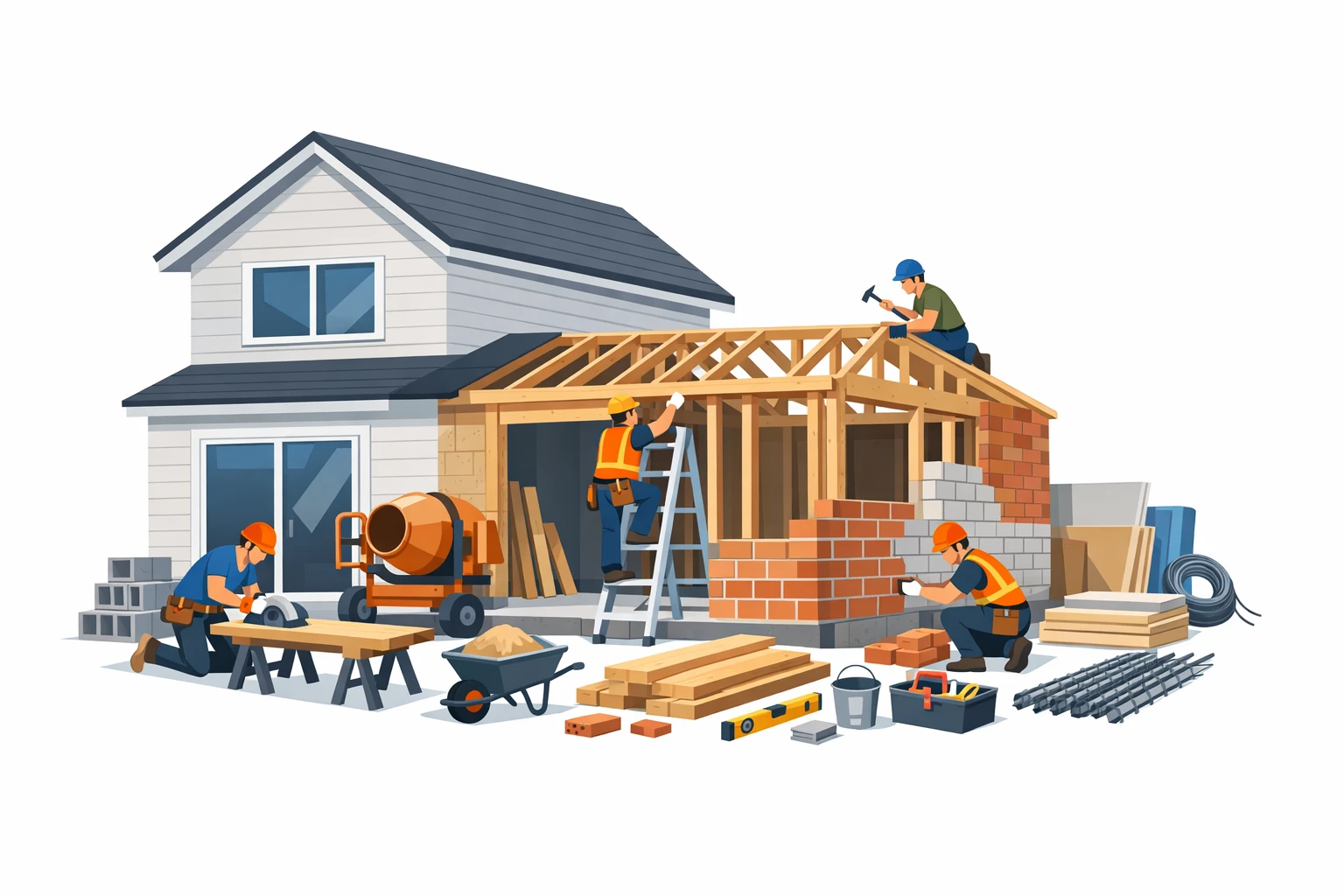
Home extensions are projects that increase the livable space of your existing house. This could mean building additional rooms or floors, expanding your kitchen, adding a deck, or any other modification that makes your home bigger and more functional. In NSW, homeowners often undertake home extensions to accommodate growing families, create home offices, or increase their property value.
The process typically involves stages such as idea conception, planning, obtaining necessary approval, construction, and final touches. First, you conceive the idea and briefly outline your expectations. Next, you work with a designer or architect to draw up detailed plans. You then need to get approval for your proposed extension especially if it involves significant structural changes. Once approved, you can proceed with construction by hiring reliable home builders. After construction, final touches like interior decoration and cleaning are done.
Requirements and coverage can vary, so it’s best to check with the relevant authorities and your building contractor.
Key Components of Home Extensions
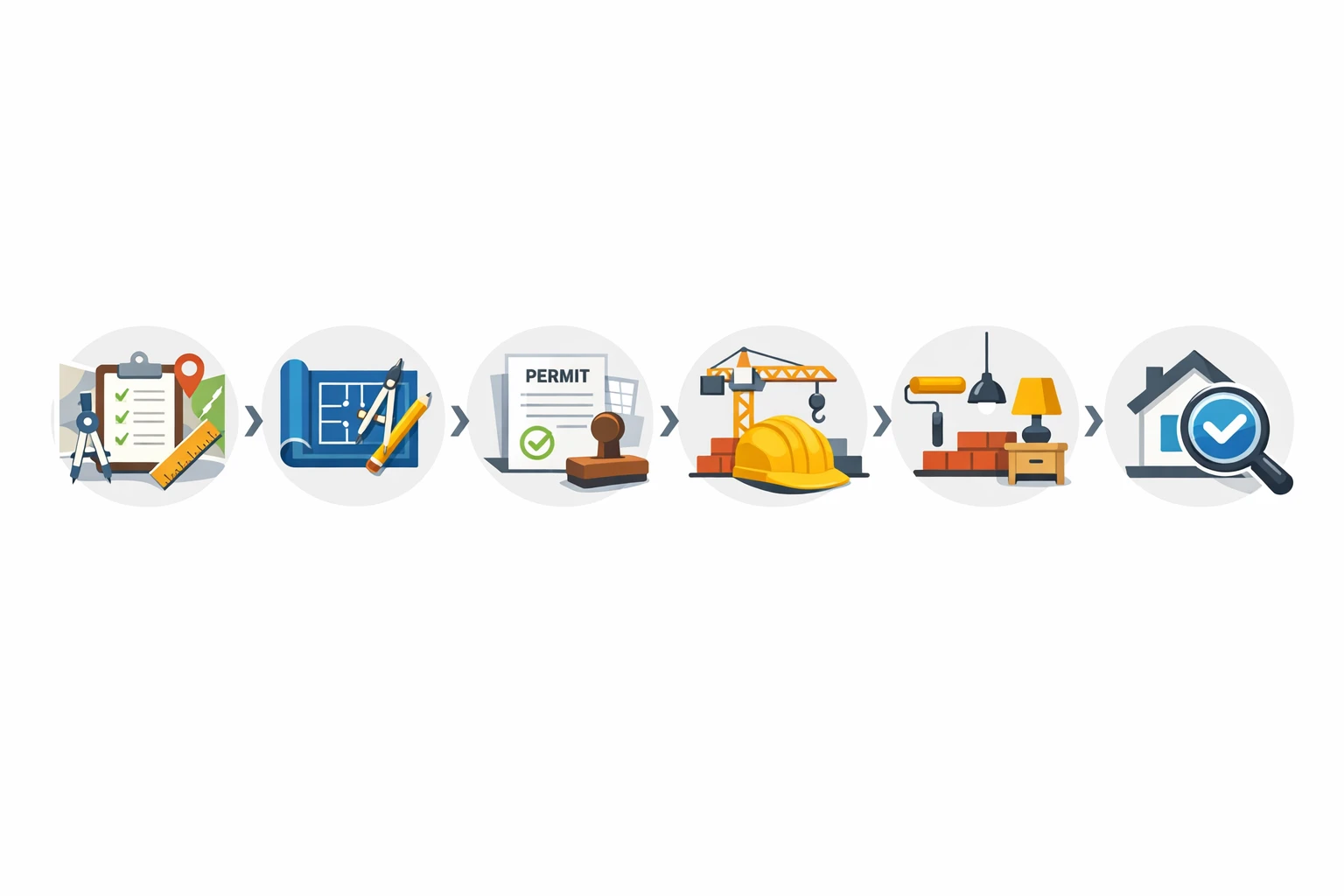
1. Planning: This is where you identify the need for extra space and envision what the extension will look like.
2. Design: In this phase, you'll work with architects or designers to prepare detailed designs and plans for your extension.
3. Permit and Approval: Depending on the nature of your extension, you may need to secure planning permission or meet other local stipulations.
4. Construction: This involves the physical building of the extension, handled by professional builders.
5. Interior Finishing: This is the phase where final details like painting, flooring, and other finishes are decided and implemented.
6. Inspection: After the extension work, a professional building inspector checks for any issues or building code violations.
Types of Home Extensions
Home extensions can take many forms. Here are some common types:
1. Single-storey Extension: Most common and involves extending the ground floor of your home.
2. Double-storey Extension: This type involves adding an extra level to your home, usually a more complicated process than a single-storey extension.
3. Over-structure Extension: This type of extension is built over an existing part of the house, like over the garage.
4. Wrap-around Extension: This extends to the side and rear of your home, forming a 'wrap-around' effect.
5. Conservatory: This is a glass and metal structure usually added to the back of a house, often used as an additional living space or indoor garden.
Type | Complexity | Time | Cost Single-storey | Medium | Several weeks | Depends on size and finish Double-storey | High | Few months | Higher than single-storey Over-structure | Low | Few weeks | Lower than single and double-storey Wrap-around | High | More than one month | Suited to large budgets Conservatory | Low | Few weeks | Relatively affordable
Benefits of Home Extensions

Benefit | Explanation More Space | Home extensions provide additional living space. Increased Property Value | Well-executed extensions can significantly boost your property's value. Cost-Effective | Compared to moving to a bigger house, an extension can be a more economical solution to space issues. Personal Customisation | Extensions allow you to tailor your home to your lifestyle and preferences.
Home extensions offer a chance to enhance your living space and home value significantly. As every property is distinctive, it's worth taking the time to design and implement an extension that fulfils your specific needs while also adhering to local guidelines and regulations.
Use Cases or Applications
1. Expanding living/dining space for growing families.
2. Creating a home office, especially crucial for remote workers in Sydney's fast-paced work culture.
3. Building extra bedrooms or guest rooms for larger households.
4. Constructing an outdoor deck for enhanced outdoor living and entertainment.
5. Increasing kitchen space for cooking enthusiasts or large families.
6. Designing a dedicated playroom for children or hobby room for adults.
7. Adding specialty rooms such as a home gym or cinema.
Considerations Before Adoption
Before rushing into a home extension project in NSW, consider the following:
- Do I clearly understand why I need more space?
- Have I considered all possible alternatives to an extension?
- Do I have a budget that can cover all costs, including unforeseen ones?
- Have I checked if I need planning permissions for my intended project?
- Does my chosen design add value to my home or just extra space?
- Have I found a reputable builder to handle the project?
- Am I prepared for the disruption a home extension project can cause?
Remember, successful home extensions are the result of good planning, diligent budgeting, and skilled execution.
Common Misconceptions

Myth: Home extensions always add value to your property → Reality: Not all extensions add value. Poorly executed extensions may even reduce your property's worth.
Myth: Planning permission is not required → Reality: Depending on the type and scope of the extension, you may need to secure planning permission.
Myth: Cheap extensions are a cost-effective solution → Reality: Cutting costs on materials and labour can lead to low-quality extensions and higher long-term costs.
Myth: You can handle a home extension yourself → Reality: A home extension is a complex project that requires the skills of professionals.
Myth: All builders provide the same quality of work → Reality: The quality of work greatly depends on the builder's experience and skill.
Future of Home Extensions
The future of home extensions in NSW reflects a broader trend towards sustainable housing. Expect more homeowners to adopt eco-friendly construction methods, materials and designs. For instance, an extension could use energy-efficient designs, solar power, and reclaimed or sustainable building materials.
Technology will also continue to shape the home extension sector, from the use of advanced building software in design stages to smart home features in the final build. Home extensions may also seek to accommodate evolving lifestyles, like creating flexible spaces that can easily be adapted depending on needs.
As remote working becomes more prevalent, home offices will likely remain a popular home extension in Sydney and beyond. Furthermore, high property prices will continue to make extensions a desirable option for homeowners needing more space.
Conclusion
Home extensions can add space, function, and value to your home. Understanding the process, knowing what to expect, and planning meticulously can set you up for a successful home extension project. As every home and homeowner's needs are unique, it's vital to consider all factors and consult with professionals when planning a home extension in NSW.
Common questions
- Do all home extensions require planning permission?
- Not all home extensions need planning permission. Local regulations may vary, and many factors can influence the need for permission, such as the size and location of the extension. It’s best to consult with an expert or local council.
- How long does a home extension take?
- The duration of a home extension project varies depending on factors such as the size and type of extension, weather conditions, complexities of the design and more. It can range from several weeks to many months.
- Can I live in my home during the extension process?
- Often, it's possible to continue living in your home during an extension, but this depends on the nature of the project. It could cause disruption to everyday living, and you might need to consider temporary accommodation.
- How much does a home extension cost?
- The cost of a home extension depends on many factors, including the type of extension, materials used, and the specific requirements of your property. It's best to get a personal quote from a professional builder.
- Does an extension add value to my home?
- High-quality and well-designed extensions can add significant value to a home. However, this depends on the market, location, extension quality, and other factors.
- How do I find a reliable builder for my extension?
- Getting referrals from friends or online reviews, checking builder accreditations, reviewing past work, and getting multiple quotes are some ways to find a reliable builder for your extension project.