What is Insulation Services?
Know all about insulation services in Australia. Understand what they are, their key components, types, benefits and more.
Looking for one? See our ranking of 29 insulation services in Sydney
How Insulation Services Works
Insulation services refer to the installation of materials that prevent heat, sound or electricity from escaping or entering an environment. The process generally includes a detailed analysis of a property's insulation needs by a trained professional. Based on the analysis, recommendations on the type of insulation and its placement are given. Post this, the selected insulation is installed carefully, ensuring all the nooks and corners of the property are covered to enhance energy efficiency.
The aim of insulation services is to maintain an ideal temperature in a property, be it during the chilly winter nights or hot summer days. Good insulation cannot only increase the comfort level inside a property but can also reduce the costs associated with heating and cooling, making it a cost-effective solution for residences and businesses alike.
Key Components of Insulation Services
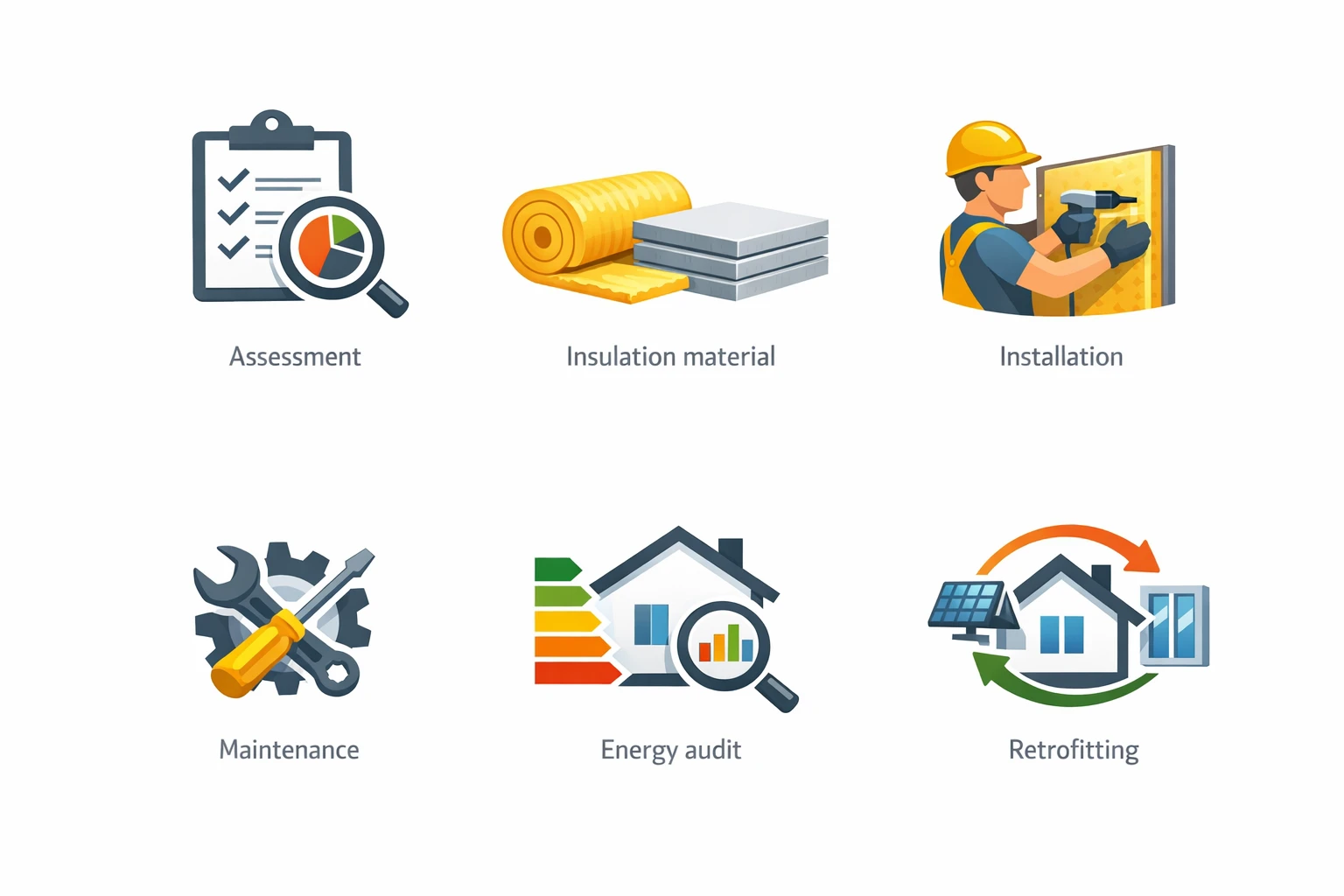
1. Assessment: Detailed examination of the property for determining insulation needs.
2. Insulation Material: Materials like fibreglass, cellulose or spray foam used to insulate a building.
3. Installation: Process of placing insulation in walls, attics, and floors of a property.
4. Maintenance: Regular inspections and possible adjustments or replacements to ensure insulation efficiency.
5. Energy Audits: Professional energy audits post insulation installation to measure energy efficiency.
6. Retrofitting: Introduction of new insulation materials and methods into existing structures.
Types of Insulation Services
Insulation services in NSW can vary depending on the type of insulation used. Here are some common types:
Blanket Insulation | Most commonly used | Moderate | Simple
Spray Foam Insulation | Ideal for tight spaces | High | Intermediate
Reflective Insulation | Used in attics to reflect heat | Low to Moderate | Simple
Blown-in Insulation | Ideal for attics and existing walls | Moderate to High | Intermediate
Rigid Board Insulation | Used for new construction projects | High | Advanced
Foam Board or Rigid Foam | Ideal for insulating everything from the roof to the foundation | Moderate to High | Intermediate
Benefits of Insulation Services
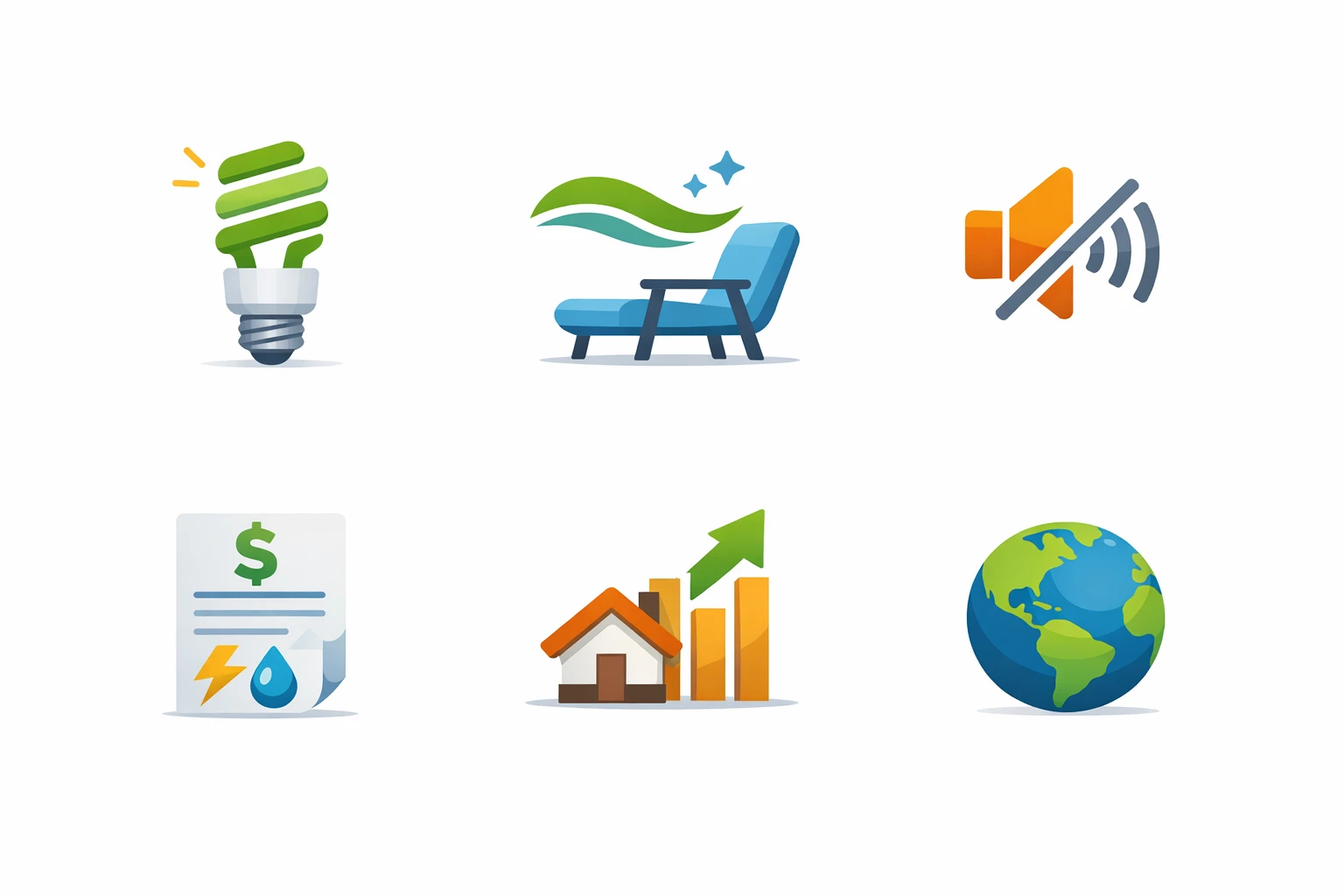
Energy Efficiency | Significant energy savings due to regulated temperatures
Comfort | Maintains the desired temperature, improving overall comfort
Noise Reduction | Insulation can also reduce the level of noise filtering into a property
Lower Utility Bills | Savings on utility bills as less energy is needed for heating or cooling
Enhanced Property Value | Adds to the value of a comparatively energy-efficient property
Environmentally Friendly | Reduced energy consumption leading to lower carbon footprint
Proper insulation services can bring a significant improvement in both the comfort and the energy efficiency of a property. It's a strategic investment that can provide invaluable returns over the long run.
Use Cases or Applications
1. Insulating an old home to improve its energy efficiency.
2. New construct projects aiming for excellent energy efficiency from the get-go.
3. Businesses looking to reduce their environmental footprint by minimizing their energy consumption.
4. Residents in especially hot or cold regions, where insulation can assist in reducing the costs associated with air conditioning or heating.
5. Property owners in noisy areas can use insulation to dampen external sound.
6. Conservation projects where old structures are retrofitted with efficient insulation systems to preserve the building while improving energy efficiency.
7. Industrial environments where insulation is used to control the temperature around machinery.
Considerations Before Adoption
- Is my property currently well-insulated or would it benefit from additional insulation?
- What type of insulation would best suit my property and climate condition?
- Is it more cost-effective in the longer run to invest in higher-end insulation now or would a mid-range option suffice?
- How can I make sure my insulation is installed correctly?
- Is there a reputable insulation service provider near my location in NSW?
- Could there be any rebates or incentive programs in NSW that can offset some of the cost of insulation?
- How often will I need to revisit and possibly replace or enhance my property's insulation?
Insulation services can be a major project, thus it's crucial for homeowners and businesses to consider these points and others before making a decision.
Common Misconceptions
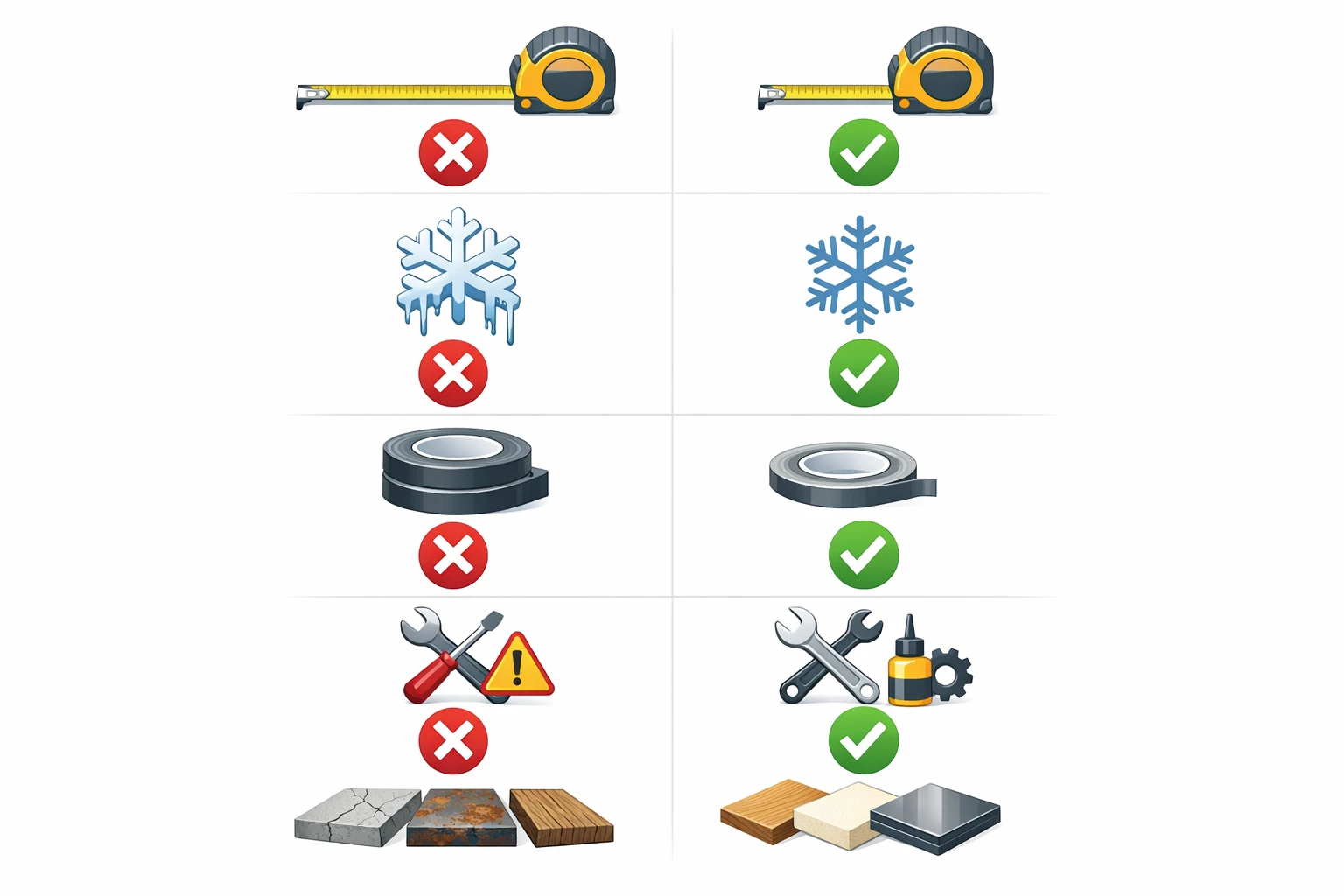
Myth: More insulation is always better → Reality: There is an optimal level of insulation that varies depending on the property and over-insulating can be a waste of resources.
Myth: Only homes in cold climates need insulation → Reality: Insulation aids in maintaining a consistent temperature, making it beneficial for hot climates as well.
Myth: The thicker the insulation, the better it works → Reality: The effectiveness depends more on the type of material and method of installation used.
Myth: Once installed, insulation needs no upkeep → Reality: While insulated structures usually require lower maintenance, periodic checks for gaps or damage are still necessary.
Myth: All insulation materials are the same → Reality: Different materials have varying properties of thermal resistance, sound-proofing, and fire resistance, making some types more suitable for certain purposes than others.
Future of Insulation Services
With a stronger focus on energy efficiency and environmental conservation, the demand for insulation services is expected to grow. We can anticipate advancements in insulation technology, including innovative materials and installation techniques. Integrating smart technology could become a trend, where insulation systems might communicate with HVAC mechanisms to automatically adjust home temperature. Sustainability is another key focus, leading to insulation materials that are more environmentally friendly. The future of insulation in NSW and the rest of Australia is likely to be dictated by both technology and an evolving understanding of its role in energy efficiency and environmental safety.
Related Concepts and Comparisons
Insulation services may be compared with other similar energy-saving interventions such as solar panel installations and energy-efficient windows.
Insulation Services | Solar Panels | Energy-Efficient Windows
Initial Cost | High | Very High | Moderate
Energy Savings | High | Variable (depends on solar availability) | Moderate to High
Maintenance Needs | Low | Moderate | Low
Effect on Property Value | Moderate Increase | High Increase | Moderate Increase
It’s essential to understand these points while deciding the best route of action towards enhancing the energy efficiency of a property.
Conclusion
Insulation services play a crucial role in maintaining comfort and promoting energy efficiency in properties. They require a careful consideration of factors such as insulation type, installation methods, and ongoing maintenance. With the increased focus on environmental sustainability, the demand for these services is predicted to rise. It's an investment worth exploring for home and business owners in NSW and across Australia.
Common questions
- Can insulation contribute to sound proofing?
- Yes, apart from temperature control, insulation can also act as a barrier to reduce the amount of noise entering a property.
- What kind of saving can I expect by insulating my home?
- While it can vary, insulation can significantly reduce the amount of energy needed for heating or cooling, resulting in lower utility bills.
- Is it worth insulating an older home?
- Yes, older homes often have less efficient insulation and can greatly benefit from updated insulation services.
- How do I know if my home is adequately insulated?
- A professional energy audit can help determine if your home is properly insulated and where improvements can be made.
- How long does insulation last?
- While it can depend on the type and quality of the materials used, most insulation materials last many years with proper maintenance.
- Are there any government rebates available for insulation in NSW?
- There may be rebates or incentives available, depending on government energy efficiency programs at the time. It's best to check with regional resources for the most accurate information.