What is Metal Fabrication?
Learn everything about metal fabrication, it's key components, benefits, common misconceptions, and FAQs
Looking for one? See our ranking of 25 metal fabrication in Sydney
How Metal Fabrication Works
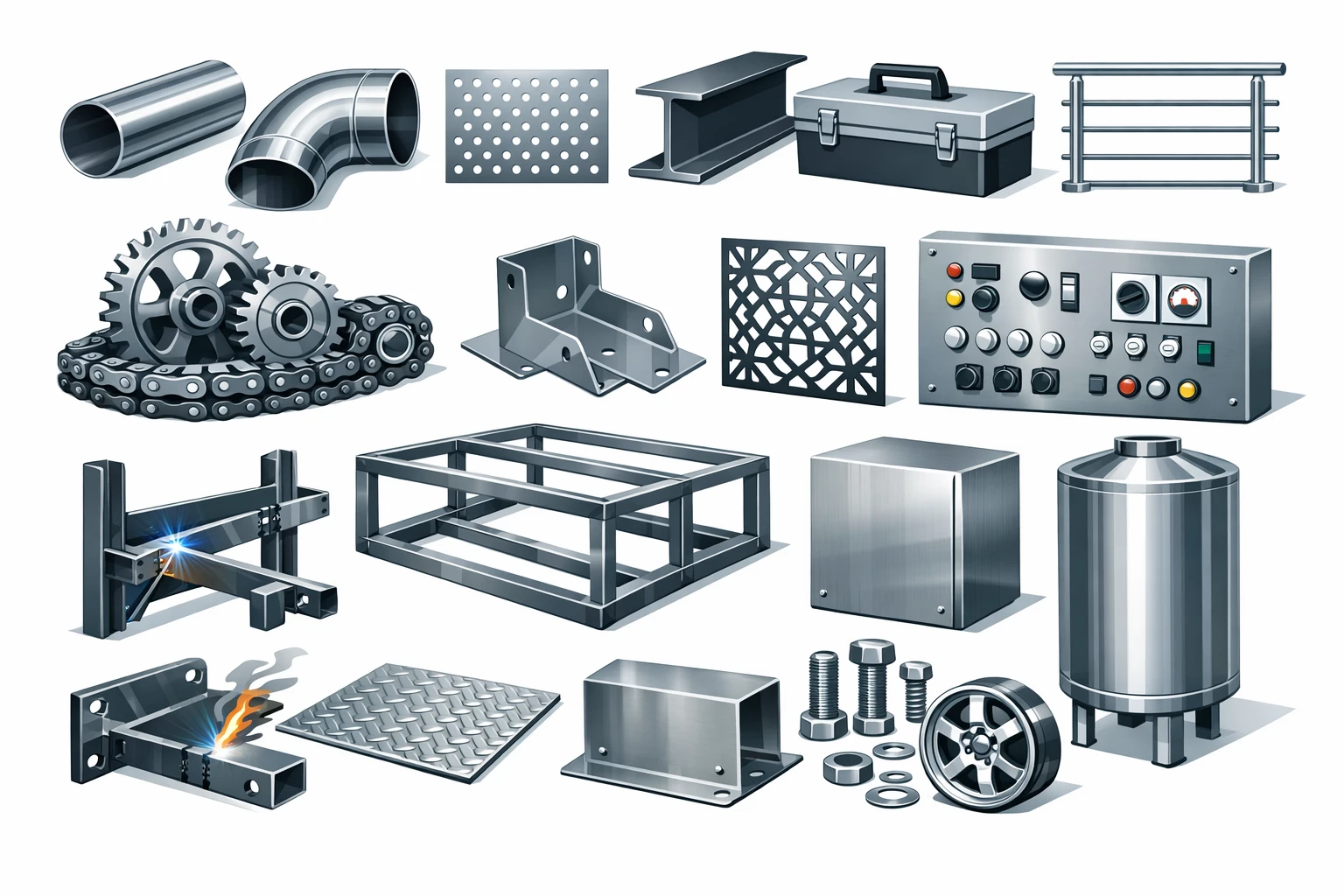
Metal fabrication is the process of creating structures and equipment from metal materials. It involves cutting, shaping, and assembling parts made from raw materials. The process often starts with design, where detailed blueprints are created. Next, the fabrication stage involves cutting, forming, and welding metal parts. The final stage is assembly, where the fabricated parts are put together to make a complete structure or product. This creation process occurs in workshops or fabrication shops, often with the assistance of computer technology for precision. It's important to note that the specific steps can vary based on the specific project and desired result.
Key Components of Metal Fabrication
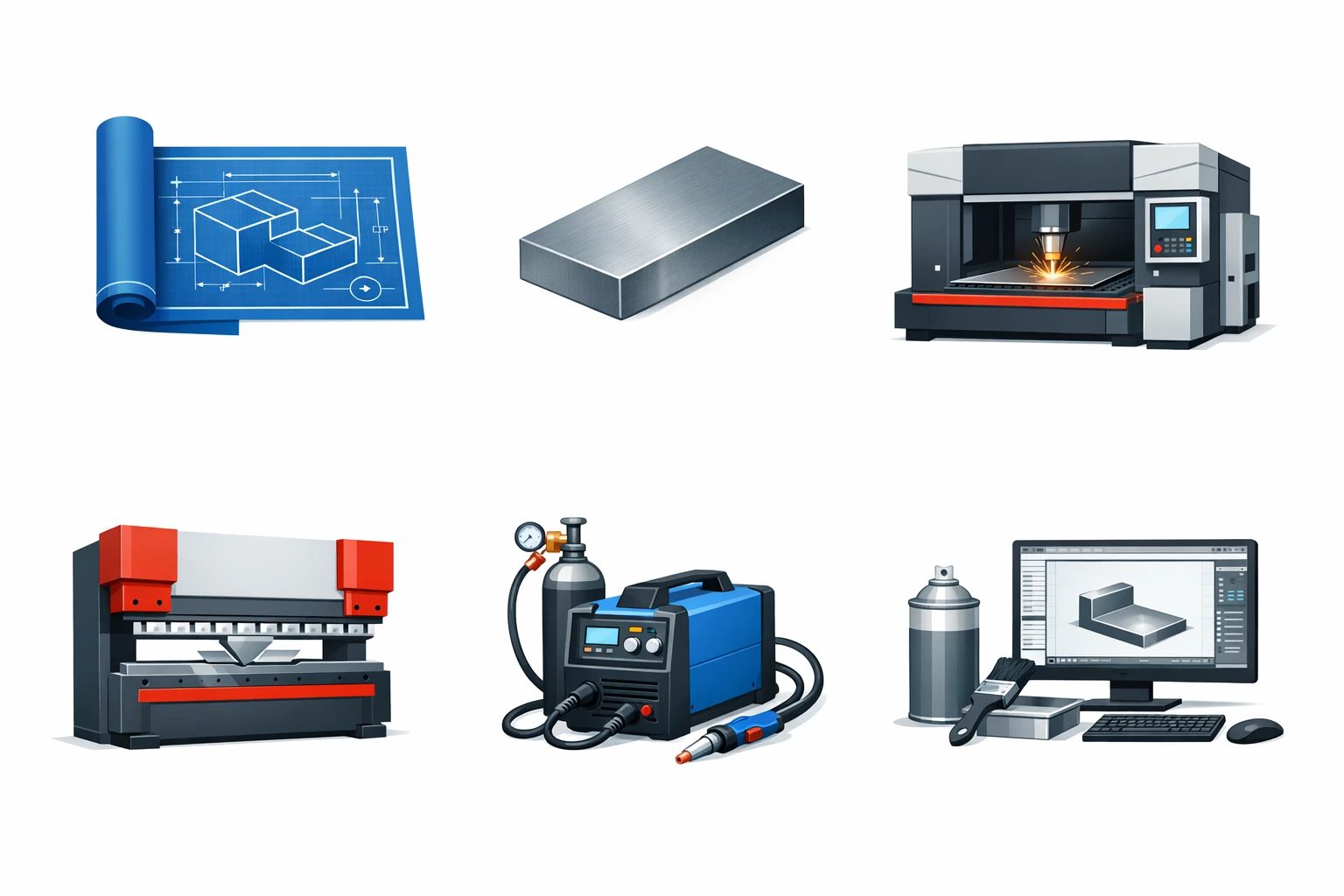
Design blueprints are the first component, providing detailed plans for the final product. The raw materials, usually metals like steel or aluminium, are key to shaping the product. Cutting equipment, such as lasers or plasma torches, are essential for shaping the materials. Molding tools help in bending or forming the metal. Welding equipment is used to assemble the pieces. Protective coatings often finish off the product, increasing longevity. Computer technology, including CAD software, assists throughout for precision.
Types of Metal Fabrication
Commercial | Used in large-scale productions, heavy machinery construction
Industrial | Includes parts for machinery and equipment, happening in specialized factories
Structural | Relates to building components like beams and frames
Custom | Specialized products made to unique specifications
Forge | Metal is heated and shaped using compressive forces
Type | Best for | Characteristics Commercial | Large-scale productions | Mass produced, standardised parts Industrial | Machinery components | Precision parts, large volumes Structural | Construction | Big parts like beams, frames Custom | Unique items | High customization, small volumes Forge | Shaping metal | Use of heat, compressive forces
Benefits of Metal Fabrication
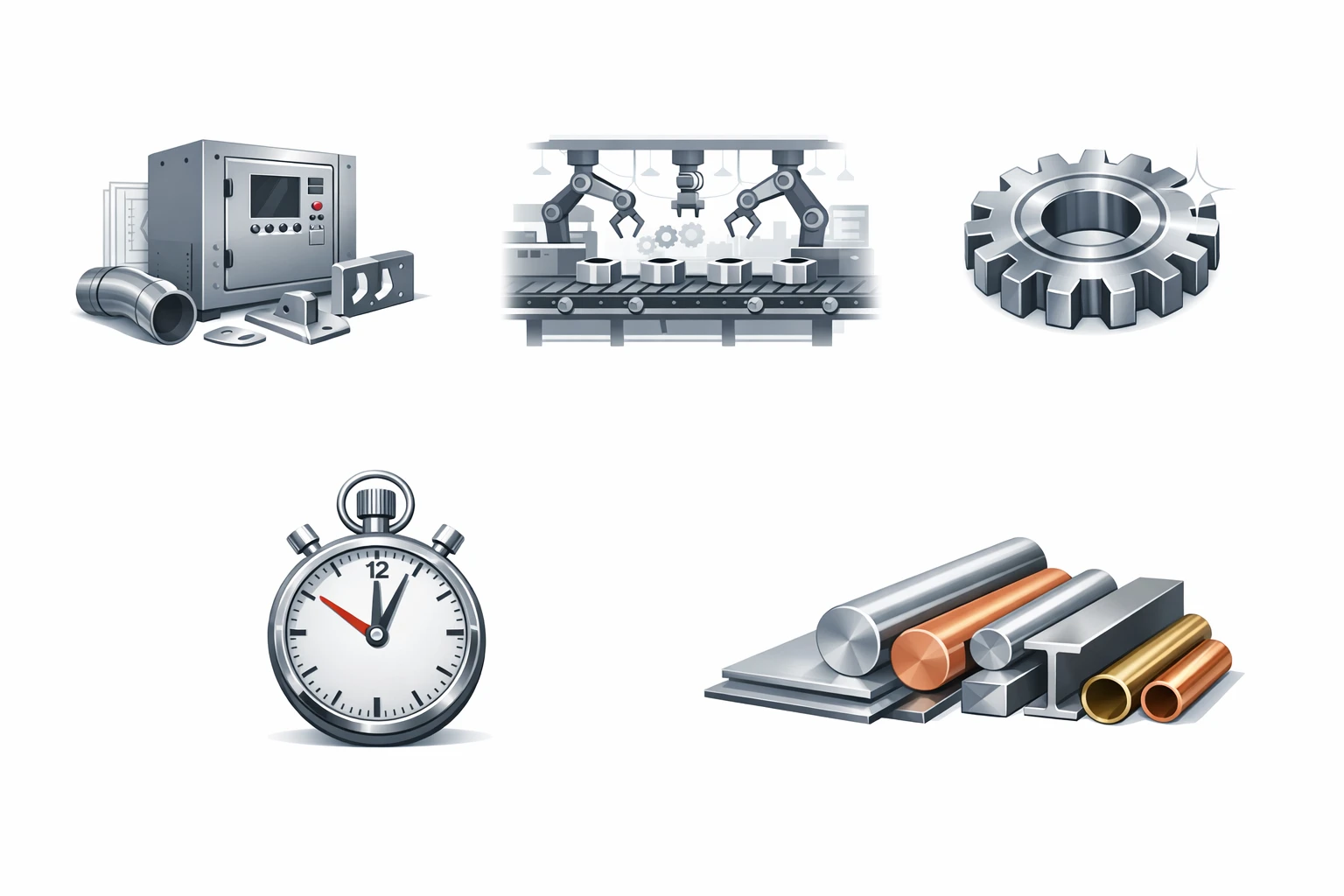
Metal fabrication comes with numerous advantages. It allows for the creation of custom items that fit specific needs. It enables mass production of uniform products for cost-effectiveness. Fabrication processes are highly precise, leading to high-quality results. With modern acceleration, turnaround times are rapid. A variety of metals can be used in the process, allowing flexibility based on requirements.
Benefit | Explanation Customisation | Create items to fit specific needs Efficiency | Mass produce uniform products cost-effectively Quality | Use precise fabrication processes for high-quality results Speed | Fast turnaround times with modern technology Flexibility | Variety of metals used, per requirements
Use Cases or Applications
Building construction often requires fabricated metal components like beams and rebar. In the automotive industry, fabricated parts make up much of the car's structure. Aerospace applications use precision-fabricated parts for aircraft. Custom home features, like railings and fixtures, can be made from fabricated metal. In Sydney, many harbourside attractions feature metal fabricated components. Technology gadgets use small fabricated parts. Infrastructure projects across NSW often rely on large fabricated metal structures.
Considerations Before Adoption
- Do you have the right design and specifications? - Have you considered the type and quality of metal needed? - Can your chosen fabricator meet your deadline? - Does the cost fit within your budget? - How will the finished product be transported and installed? - What are the maintenance requirements of the fabricated product? - Does the fabricator follow safety and environmental regulations? - How does the fabricator handle required changes midway?
It's always vital to consider these aspects when looking into metal fabrication for a project.
Common Misconceptions
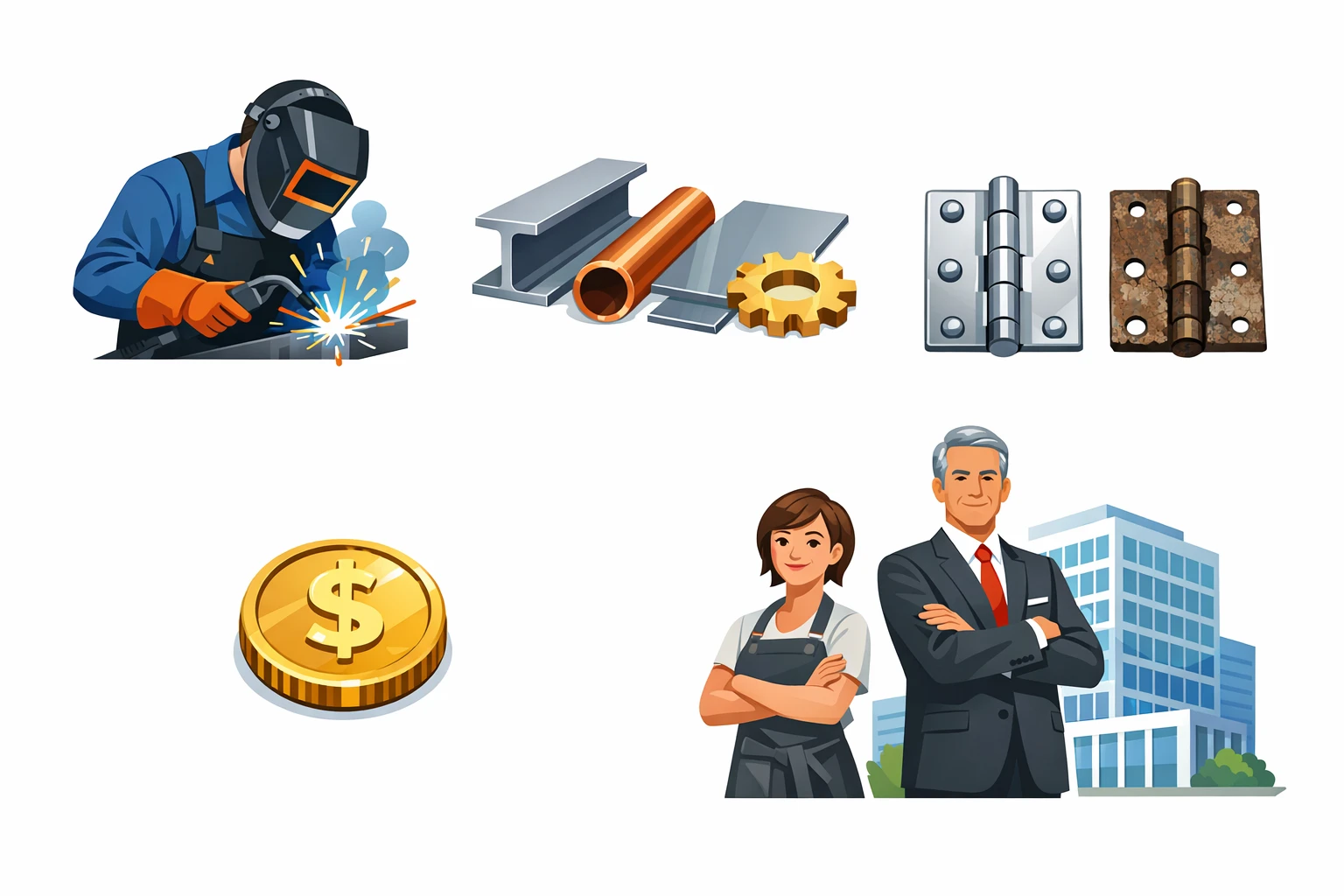
Myth: Metal fabrication is the same as welding → Reality: Welding is just one process within metal fabrication.
Myth: Any type of metal can be used for any fabrication project → Reality: Different metals have specific properties suited to certain projects.
Myth: All metal fabrication produces the same results → Reality: The results can greatly depend on the expertise of the fabricator and the used equipment.
Myth: Metal fabrication is excessively expensive → Reality: The cost can vary widely based on the complexity and scope of the project.
Myth: Only large businesses need metal fabrication → Reality: Metal fabrication services are utilized by businesses of all sizes and even individuals for custom projects.
Future of Metal Fabrication
Metal fabrication is set to evolve with advancements in technology. More automated processes might reduce the need for manual labor, potentially increasing work efficiency. Greater adoption of eco-friendly practices may help to reduce the industry's environmental footprint. Innovations in metal technology may allow for the fabrication of stronger, more durable products. Finally, advances in software may further enhance the precision and speed of fabrication processes. As the industry advances, businesses across NSW and around the world are likely to see significant changes in how metal fabrication contributes to their operations.
Related Concepts and Comparisons
Metal Fabrication vs. Machining: While both involve creating metal products, fabrication uses heat, cutting, bending, and assembly, while machining removes layers from a raw material.
MIG Welding vs. TIG Welding: Two common welding techniques in fabrication. MIG is usually quicker and easier but TIG often results in more precise, higher quality welds.
Aluminium vs. Steel Fabrication: Two common metals used in fabrication. Aluminium is lighter and more malleable, while steel is stronger and more durable.
Concept | Compared to Metal Fabrication Machining | Involves removing layers from a raw material MIG Welding | Faster, easier welding technique TIG Welding | Offers more precise, higher quality welds Aluminium | Lighter, more malleable metal Steel | Stronger, more durable metal
Conclusion
Understanding metal fabrication can help businesses and individuals make informed decisions about their needs. With numerous benefits like customization, efficiency, and high quality, it's easy to see why it's commonly used across numerous industries. As processes and technology continue to evolve, the future of metal fabrication promises even greater precision and efficiency.
Common questions
- What materials are used in metal fabrication?
- The most commonly used materials in metal fabrication are steel and aluminium. However, other metals such as copper, brass, and various grades of steel are also used depending on the project requirements.
- What is the role of a fabricator?
- A fabricator is involved in cutting, bending, and assembling metal structures from various raw materials. They might also interpret blueprints, perform welding tasks, or apply finishes to the product.
- What industries commonly use metal fabrication?
- Numerous industries rely on metal fabrication, including the construction, automotive, aerospace, and technology industries.
- How can I determine the quality of a metal fabrication service?
- Look for a fabrication service with highly skilled tradespeople, modern equipment, and a solid track record. Reviews and references can also provide useful insights.
- What is the importance of CAD software in metal fabrication?
- Computer-Aided Design (CAD) software is used to create detailed 3D models of metal parts, helping to increase accuracy and reduce errors in the fabrication process.
- Why is welding important in metal fabrication?
- Welding is a key process in metal fabrication, used to join separate metal pieces together. It plays a crucial role in the assembly phase of the fabrication process.