Guides · Dental Services
What is an Orthodontist?
Learn what an orthodontist is, how they work, the types of treatments they offer, their benefits, misconceptions, and much more.
Looking for one? See our ranking of 34 orthodontist in Sydney
How Orthodontist Works
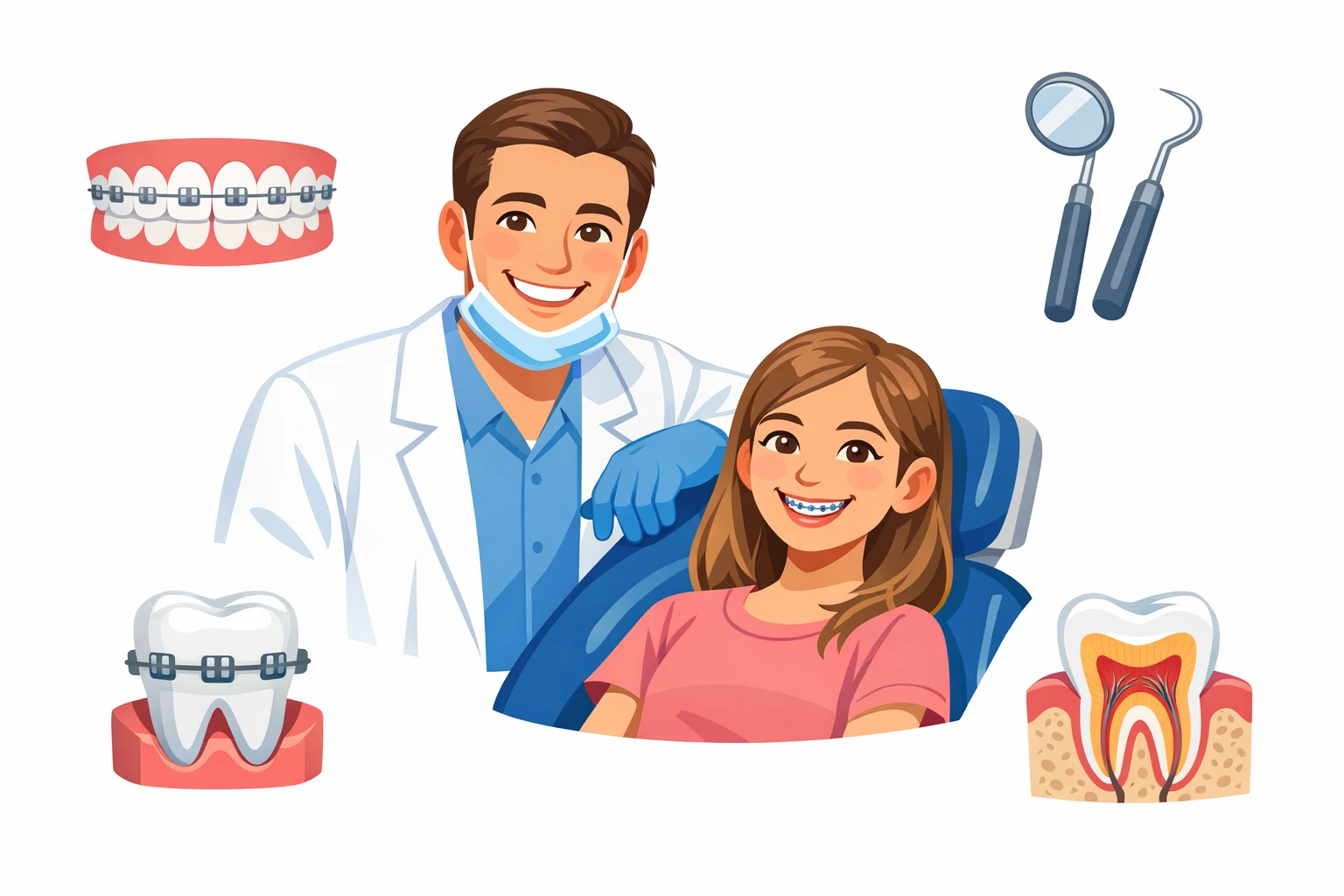
An orthodontist is a dental specialist who focuses on diagnosing, preventing, and treating dental and facial irregularities. They usually start their journey as general dentists and add a few more years of specialized training and education to become orthodontists. They work with a wide range of appliances such as braces or clear aligners such as Invisalign to help adjust the positions of teeth, fix overbites or underbites, and help teeth and lips align correctly. The process usually involves an initial consultation where the orthodontist evaluates your need for treatment. This is often followed by diagnostic tests like X-rays, photos, bite impressions, etc. Once a diagnosis is reached, they create a personalized treatment plan.
The treatment journey can last from 1 to 3 years depending on complexity, during which regular visits to the orthodontist are required for adjustments. On completion of the main phase of treatment, retainers are prescribed to ensure the teeth maintain their new positions. It's typical for an orthodontist in NSW to follow up with patients for a period after treatment, to ensure optimal outcomes.
Key Components of Orthodontics
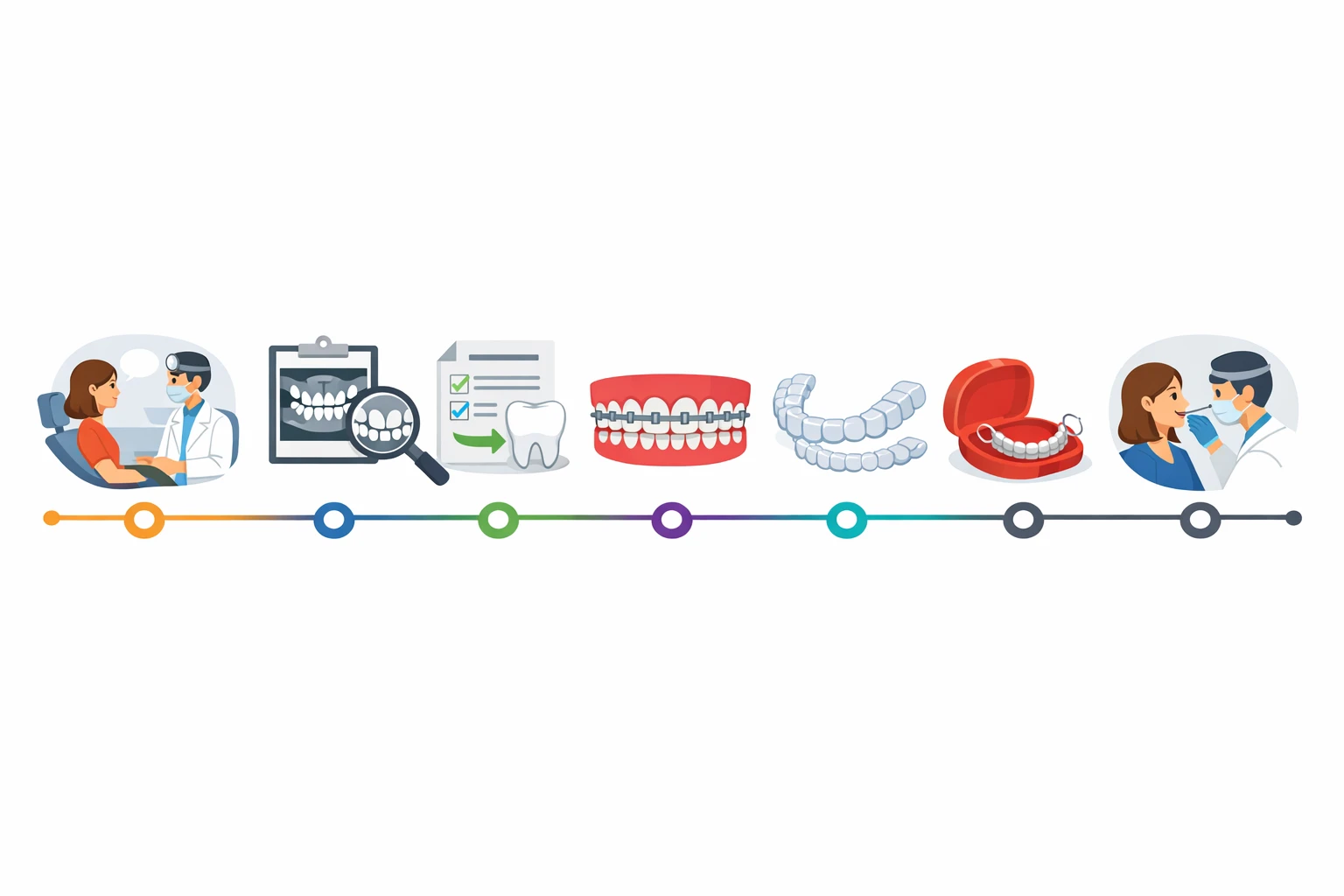
An orthodontic treatment starts with an initial assessment, followed by diagnosis and development of a treatment plan. This plan often uses appliances such as braces, clear aligners, retainers, and space maintainers. Regular adjustment appointments are part of the process, which is then rounded off with a period where only retainers are worn. Post-treatment follow-ups are also an integral part.
Types of Orthodontic Treatments
Treatment type | Suitable for | Average timeframe | Complexity Metal Braces | Most cases | 1-3 years | High Ceramic braces | Adults concerned with aesthetics | 1-3 years | High Clear aligners (such as Invisalign) | Mild cases, mainly adults | 6-18 months | Medium Lingual Braces | Those needing invisibility | 1-3 years | High Retainers | Post-treatment phase | Indefinite | Low
The exact type of treatment required may vary and it's always best to consult an orthodontist directly for advice.
Benefits of Orthodontic Treatment
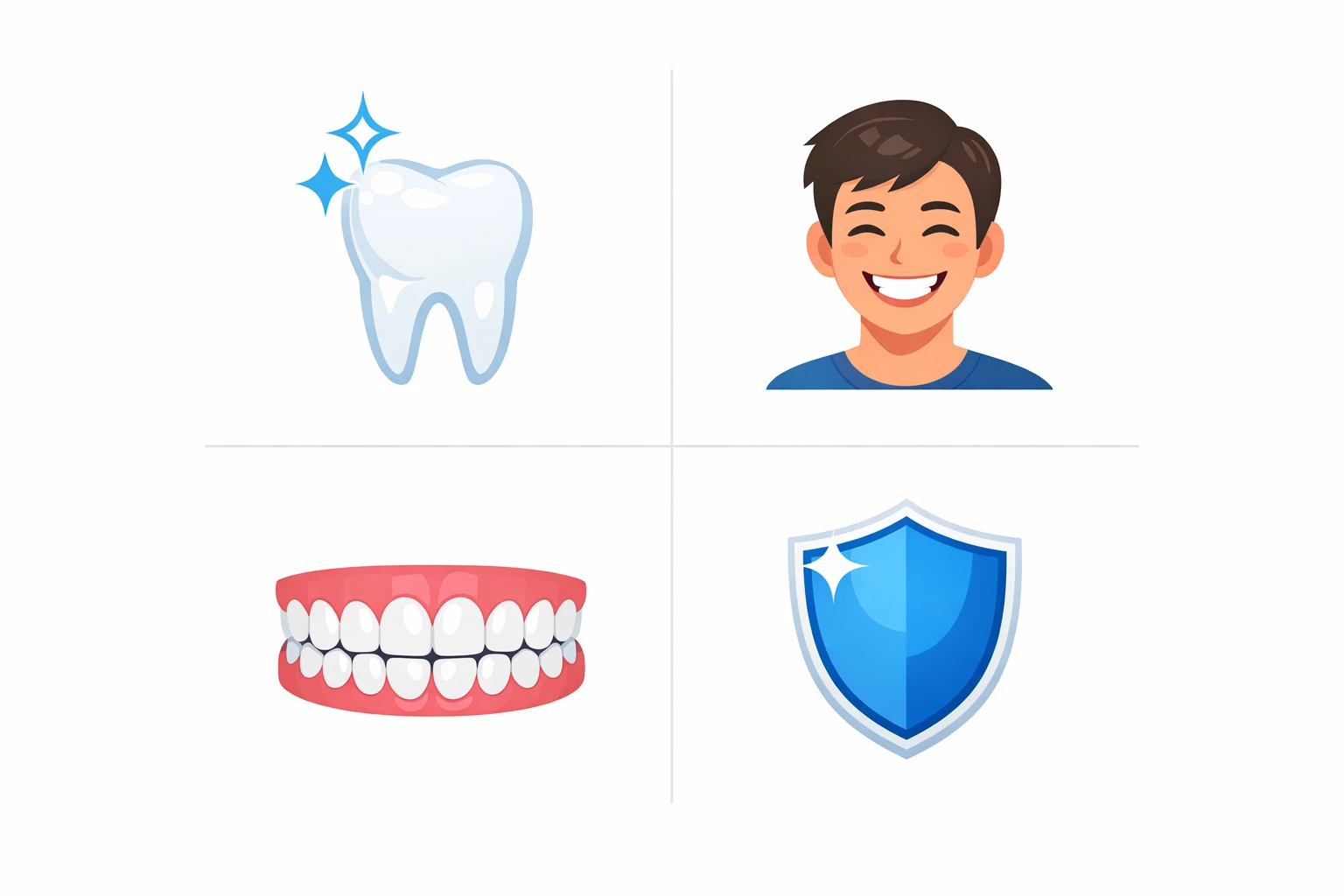
Benefit | Explanation Improved oral health | Straight teeth are easier to clean, decreasing the risk of gum diseases and cavities. Enhanced appearance | Orthodontic treatment often results in an improved, more confident smile. Corrected bite problems | Proper alignment eliminates issues with biting, chewing, and speech. Preventive care | Early treatment can prevent more severe problems from developing in the future.
Orthodontic treatment offers significant health and aesthetic benefits resulting in enhanced self-confidence.
Use Cases or Applications
Orthodontic treatment is opted for by a wide range of individuals. Some examples include, children with crooked teeth or noticeable gaps, teenagers needing alignment for crowded teeth, adults wanting to improve their smile and oral health, parents seeking early intervention for their kids' dental issues, professionals needing invisible aligners for aesthetic appeal, individuals with speech issues due to misaligned teeth, people who have issues with chewing or biting due to misaligned jaws.
Considerations Before Adoption
Orthodontic treatment is a significant commitment of time and resources. Some questions to consider: - Do you understand the length of the process and the need for regular visits? - Are you ready to adopt required oral hygiene habits? - Have you considered the costs and payment options? - Are you aware of the potential discomfort and adjustments like dietary restrictions? - Have you got information on the orthodontist's experience and credentials? - Have you explored all available treatment options for your case? - Is the treatment time-frame suitable for your circumstances? - Do you know what to expect during the process?
Requirements and coverage can vary, so it’s best to check with the clinic and your provider.
Common Misconceptions
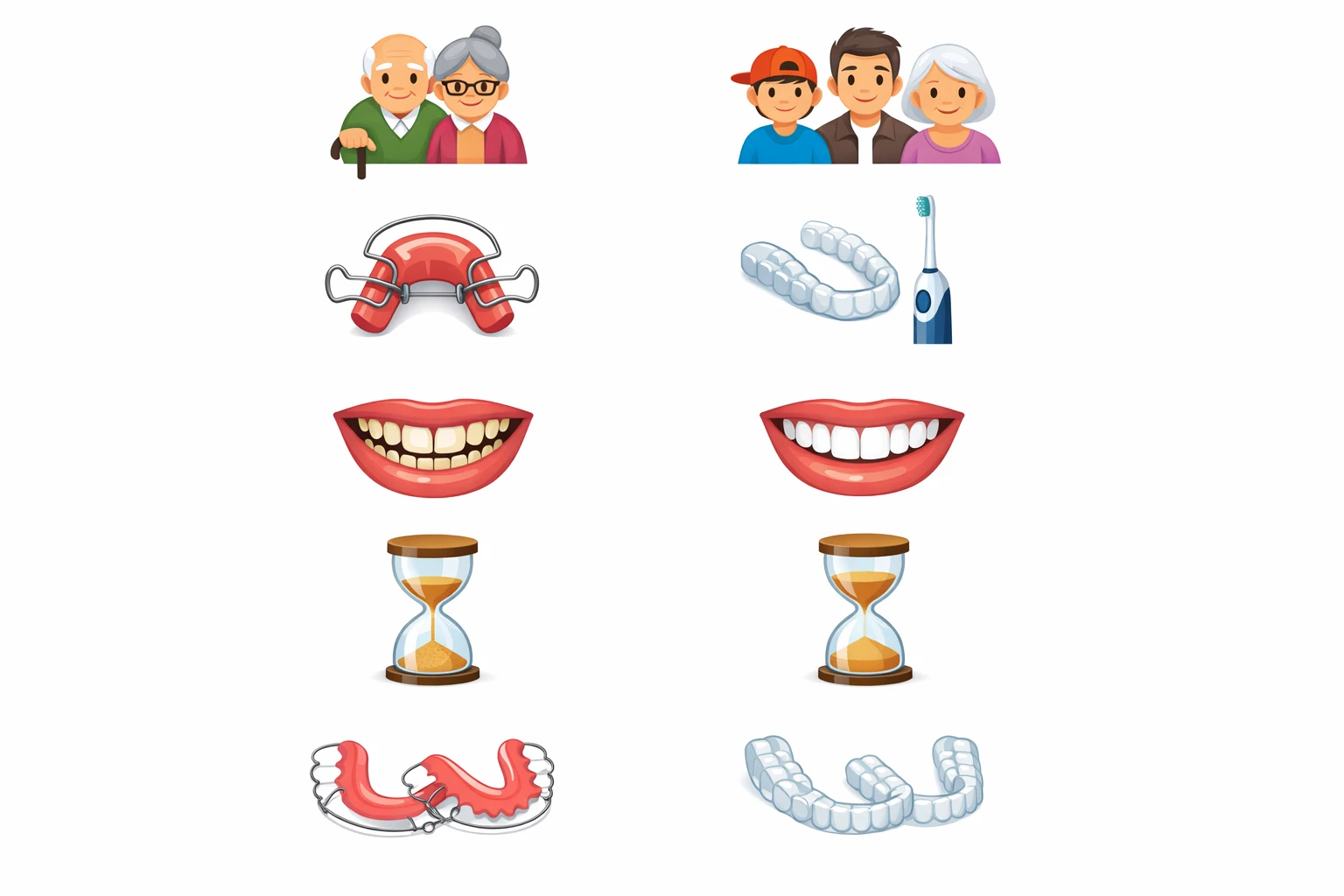
Myth: Orthodontic treatments are just for children and teenagers. → Reality: Orthodontic treatments can be beneficial at any age, and increasingly more adults are opting for them.
Myth: Braces are the only option for orthodontic treatment. → Reality: There are now multiple options like clear aligners, lingual braces and more.
Myth: Orthodontic treatments are purely cosmetic. → Reality: While they do improve aesthetics, orthodontic treatments can vastly improve oral health and functions.
Myth: Orthodontic treatments take many years. → Reality: The duration of treatments varies from case to case. Early and mild cases can be corrected faster.
Myth: Once treatment is complete, no further action is needed. → Reality: Post-treatment, retainers are critical to maintain the teeth's new position.
Future of Orthodontics
Orthodontics is a dynamic field undergoing constant innovation. Advances in technology and materials promise increased comfort, faster results, and lowered treatment time overall. Digital impressions, 3D printing, and AI are modern solutions being incorporated into orthodontics. The use of teledentistry, especially amid the COVID-19 pandemic, is increasing the accessibility of these services. The future of orthodontics seems to be moving towards a more patient-friendly, convenient, and efficient modality of operation.
Related Concepts and Comparisons
Orthodontics vs General Dentistry | Cater to | Includes | Common treatments Orthodontics | Facial irregularities, teeth alignment | Metal braces, clear aligners | Alignment corrections General Dentistry | Overall oral health | Fillings, extractions, root canals | Regular checkups and minor preventative treatments
These are closely related disciplines but an orthodontist receives additional training and can handle more complex dental problems. While your dentist might occasionally handle some simpler alignment corrections, complex scenarios are best handled by an orthodontist.
Conclusion
Orthodontics is a specialized dental field that focuses on correcting irregularities in teeth and jaws. The benefits of orthodontic treatment, especially in terms of improved oral health and aesthetics, are considerable. However, the journey to a great smile requires commitment. Make an informed choice by getting advice directly from a professional. In NSW, there are many experienced orthodontists who can guide you through the process.
Common questions
- What's the best age to see an orthodontist?
- Orthodontic treatment can be beneficial at almost any age. However, the Australian Society of Orthodontists recommends that children get their first check-up at age 7.
- What's the difference between an orthodontist and dentist?
- Orthodontists are dental specialists who have undergone additional training. While both professionals work on your oral health, an orthodontist specifically handles alignment of teeth and jaw.
- How long does orthodontic treatment usually last?
- The duration varies greatly depending on personal circumstances and complexity of the case. However, typical braces treatment often lasts between 1 to 3 years, followed by a period of wearing retainers.
- Do braces hurt?
- Getting braces doesn't hurt, but some discomfort may be experienced after adjustments are made. Pain relievers can manage this discomfort, and it usually resolves within a couple of days.
- Is it possible to only get braces on the top or bottom teeth?
- In certain cases, treatment can be targeted to just one set of teeth. However, the decision should be made in consultation with the orthodontist.
- Do I still need to see my regular dentist if I see an orthodontist?
- Yes, regular visits to your dentist are necessary for essential dental care procedures such as teeth cleaning, check-ups, and treating cavities among others.