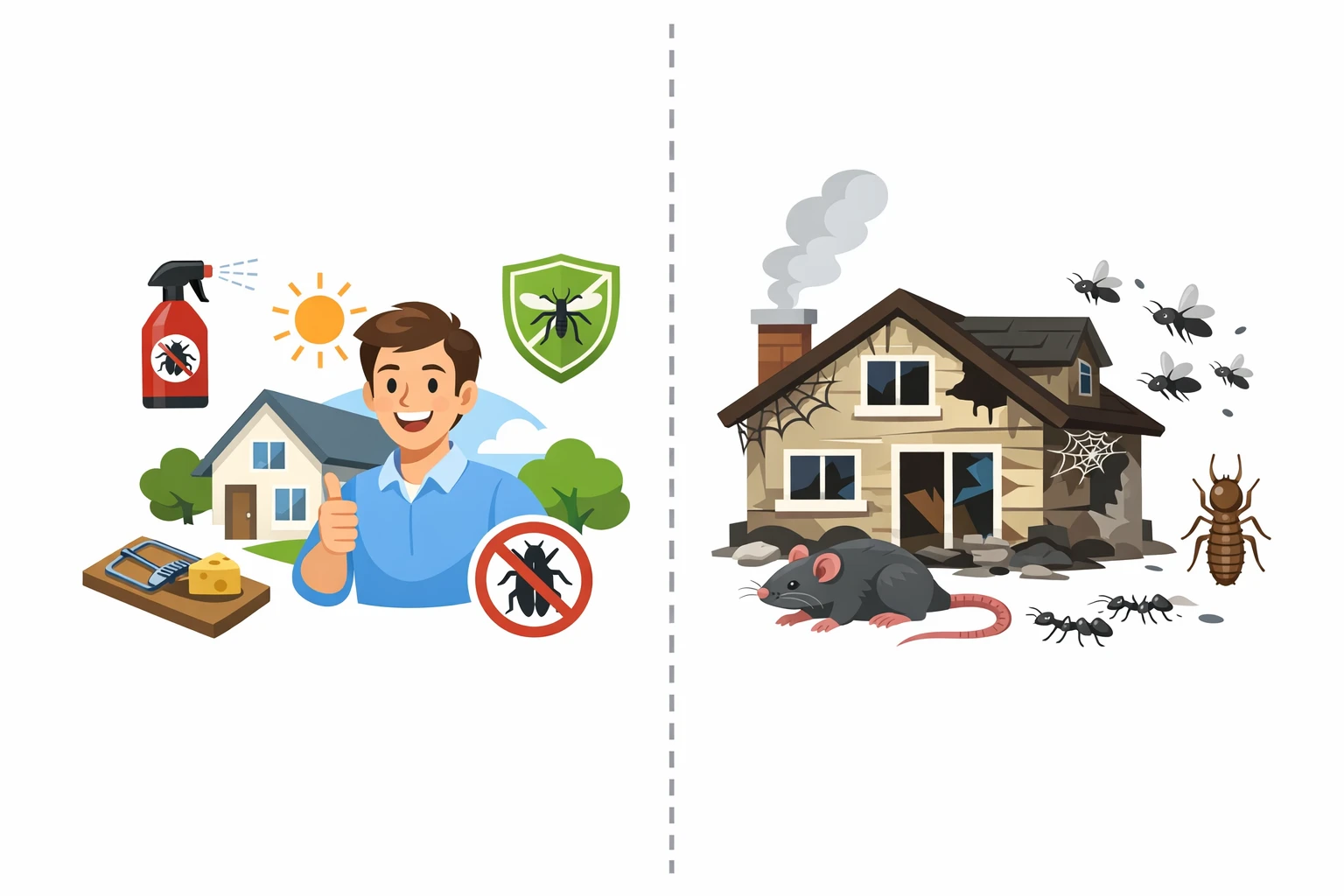
What is Pest Control?
Understand what pest control is, its key components, types, benefits, and common misconceptions. Get answers to the most frequently asked questions about pest control.
How Pest Control Works
Pest control is the process of managing or eliminating pests, harmful organisms that interfere with human activities. It's executed in three phases. First, pest identification helps define what specific creature is causing problems. Second, we execute control measures. These could range from simple prevention techniques, proper sanitation practices, or chemical pest control methods such as insecticides or rodenticides. The final step is monitoring, where professionals check for pest activity regularly to ensure your space remains pest-free. Inspection frequency can vary, often depending on the type of pest and the severity of the infestation.
Key Components of Pest Control
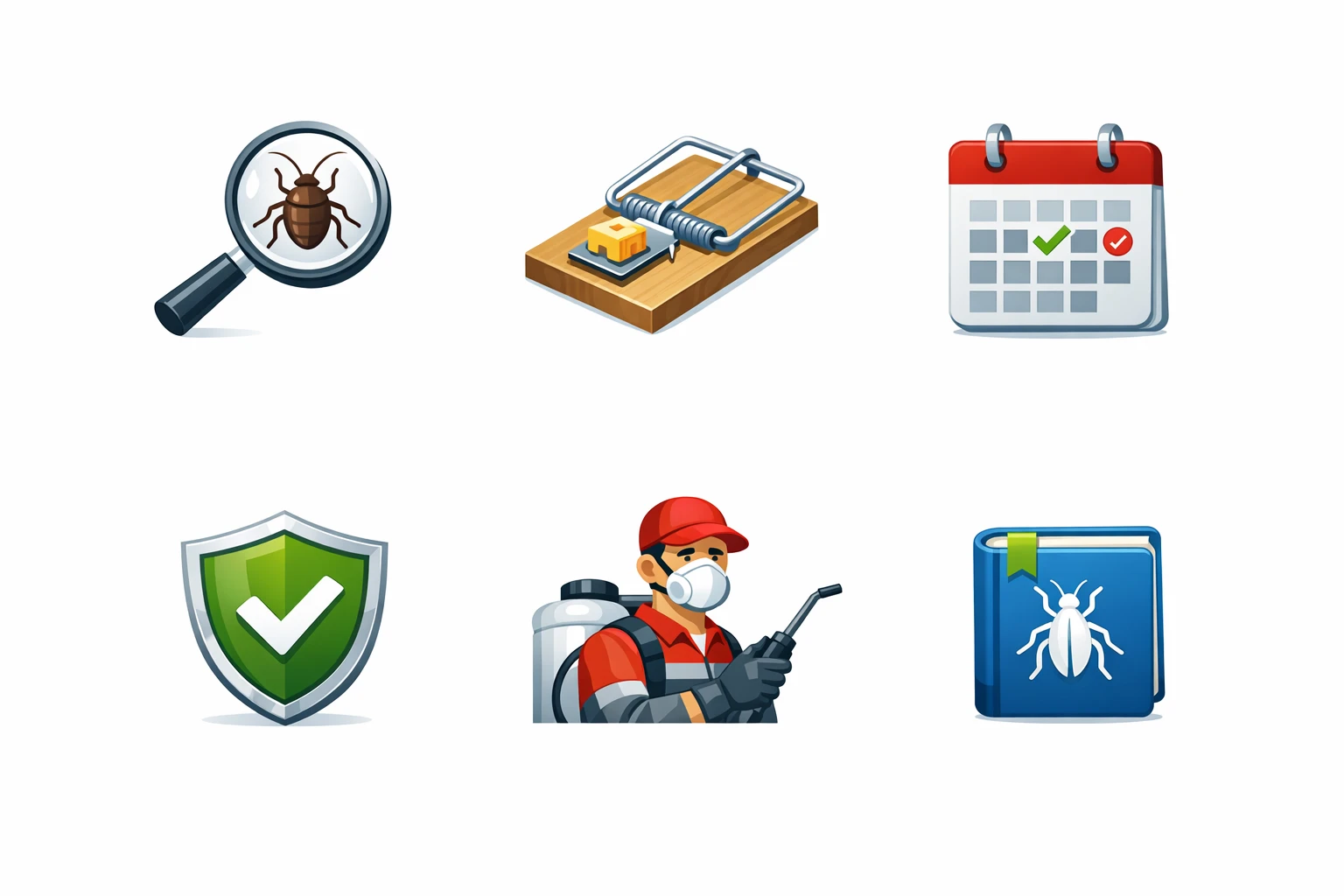
Pest Identification: Crucial for implementing the correct control measures.
Control measures: Can include non-chemical methods, traps, baits or chemical insecticides and rodenticides.
Monitoring: Regular inspection of the controlled area is essential to ensure the pest infestation does not recur.
Prevention: Encourages regular cleaning, sealing of possible entry points and other non-chemical interventions.
Trained Specialists: Technicians apply treatments safely and effectively.
Education: Technicians provide tips to residents on preventing future pest problems.
Types of Pest Control
Pest control can be categorized into several types:
Mechanical Control: Using hands-on techniques or simple equipment.
Biological Control: Using natural predators and parasites to control pests.
Chemical Control: Using pesticides to kill pests.
Integrated Pest Management: A combined approach using all the above methods.
Type | Best for | Complexity Mechanical Control | Direct and immediate pest problems | Low Biological Control | Large infestations outdoors | High Chemical Control | Severe infestations | High Integrated Pest Management | Large scale and complex infestations | Very High
Benefits of Pest Control
Disease Prevention: Many pests carry diseases that can harm humans.
Damage Prevention: Pests can cause substantial property damage.
Peace of Mind: Ensures your home or business is not shared with pests.
Professional Knowledge: Trained technicians know the safest and most effective methods.
Benefit | Description Disease Prevention | Avoid health risks associated with pests. Damage Prevention | Protect property from destructive pests. Peace of Mind | Live comfortably without worrying about pests. Professional Knowledge | Lean on expert methods and advice.
Use Cases or Applications
Residential Homes: Pest Control can protect households from unwanted pests like cockroaches, spiders, and rodents.
Commercial Property: Restaurants, offices, or hospitals can benefit from pest-free environments.
Agricultural Land: Farmers can protect their crops from pests and increase yield.
Gardens and Landscapes: Pest Control can protect beautiful lawns and gardens from destructive pests.
Public Spaces: Parks, schools, and other public spaces can maintain hygienic environments with regular pest control.
Construction Sites: Pest Control can prevent damage caused by burrowing pests.
Considerations Before Adoption
- Who provides the service? - Are the providers certified and licensed? - Do they offer a service guarantee? - What is the extent and severity of the pest infestation? - What methods do they use? - Are those methods safe for pets and children? - What is the cost of the service? Adopting pest control services may require some research to understand the best options, appropriate methods, and reliable providers in NSW.
Common Misconceptions
Myth: All pests can be eliminated with DIY methods. → Reality: While minor infestations can be managed with DIY solutions, professional help is often required for larger infestations.
Myth: Pest control is harmful to the environment. → Reality: Many modern pest control methods prioritize environmental safety.
Myth: Pest control always requires leaving your home. → Reality: Most pest control treatments can be applied with minimal disruption to your everyday life.
Myth: If you can't see pests, you don't have a pest problem. → Reality: Pests often remain hidden. Regular inspections help detect and manage potential issues early.
Myth: Pest control is only needed for severe infestations. → Reality: Regular pest control can prevent minor issues from becoming major problems.
Future of Pest Control
The future of pest control promises advancements in environmentally friendly and efficient methods. As research progresses, we foresee the rise of more organic and non-toxic alternatives to traditional chemical methods. These might include pheromones or genetically modified parasites. Another exciting area is the incorporation of smart technology in pest detection and tracking, giving pest control providers real-time data about infestations. While these technologies have yet to fully permeate the markets in NSW and Australia, they promise a future where pest control methods are more humane, safer for the environment, and easier to manage.
Related Concepts and Comparisons
Pest control can be likened to other preventive property maintenance tasks, such as waterproofing, sealant application, insulation, and sanitation practices. Like these tasks, the primary goal of pest control is to protect your property and its inhabitants. Here's a comparison among them:
Task | Purpose | Costs | Frequency Pest Control | Eliminate and prevent pests | Variable | Seasonally or more often Waterproofing | Prevent water damage | Medium-High | As needed Sealant | Protect surfaces/materials | Low | As needed Insulation | Temperature control | Medium | Often a one-time task Sanitation | Hygiene and disease prevention | Variable | Regularly
Conclusion
Pest control is crucial for maintaining a healthy, comfortable living environment. While optimised for different types of pests and infestations, the ultimate goal remains to protect your NSW home and family from these unwanted visitors. Considering the variety of methods and options, understanding what pest control is, its benefits, and potential misconceptions can help you make informed decisions to keep your space pest-free.
Common questions
- Are pest control services safe for my pets and children?
- Many providers use treatments that are safe for both pets and children. However, it's best to discuss this with your service provider.
- When is the best time to call in pest control?
- Preferably at the first sign of infestation. Regular preventative treatments can also be beneficial.
- How often should pest control be done?
- This can depend on the type of pests and the severity of the problem. In many cases, quarterly service is recommended.
- Can I do pest control myself?
- DIY methods can work for minor issues. For larger infestations, professional help often provides longer lasting results.
- How long does pest control treatment take?
- This can vary based on the type of treatment and size of the area. Often, it takes anywhere from 30 minutes to a few hours.
- What types of pests are common in NSW?
- Common pests in NSW include cockroaches, spiders, ants, termites, and rodents.