What are Plasterers?
Learn about plasterers, their key components, applications, and more. Get to know the different types of plasterers and understand their benefits.
What plasterers Work Is All About
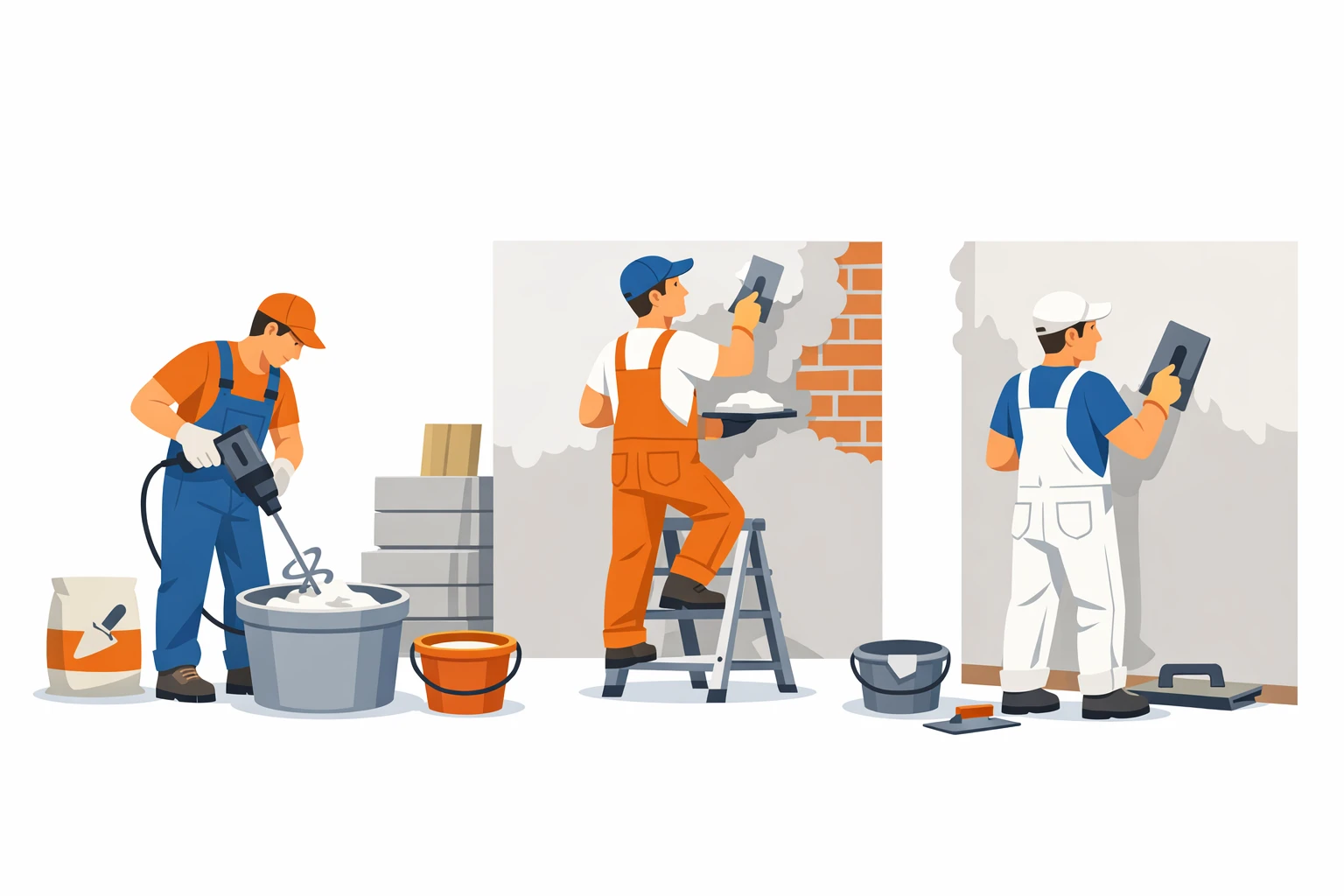
Plasterers are skilled tradespeople who apply plaster coatings to walls, ceilings, and other architectural structures. Their work often involves mixing and applying different types of plaster, creating decorative mouldings and finishes, and repairing existing plaster works. They operate in various settings - from residential homes, commercial buildings, to historical monuments.
Around NSW, you'll find plasterers mixing plaster to the right consistency before applying it to surfaces using various tools. They'll smooth out the plaster to create a finished surface or a base for painting or decorating. After the plaster sets, any minor imperfections are corrected for a flawless finish. Some plasterers in Sydney also specialize in ornamental plastering, which involves creating decorative textures and mouldings.
From planning and preparation to the actual application and smooth finishing, the steps followed by plasterers are meticulous and require an eye for detail. This ensures a high-quality finish that not only beautifies spaces but also helps walls and ceilings withstand the tests of time and weather.
Key Components of Plasterer's Work
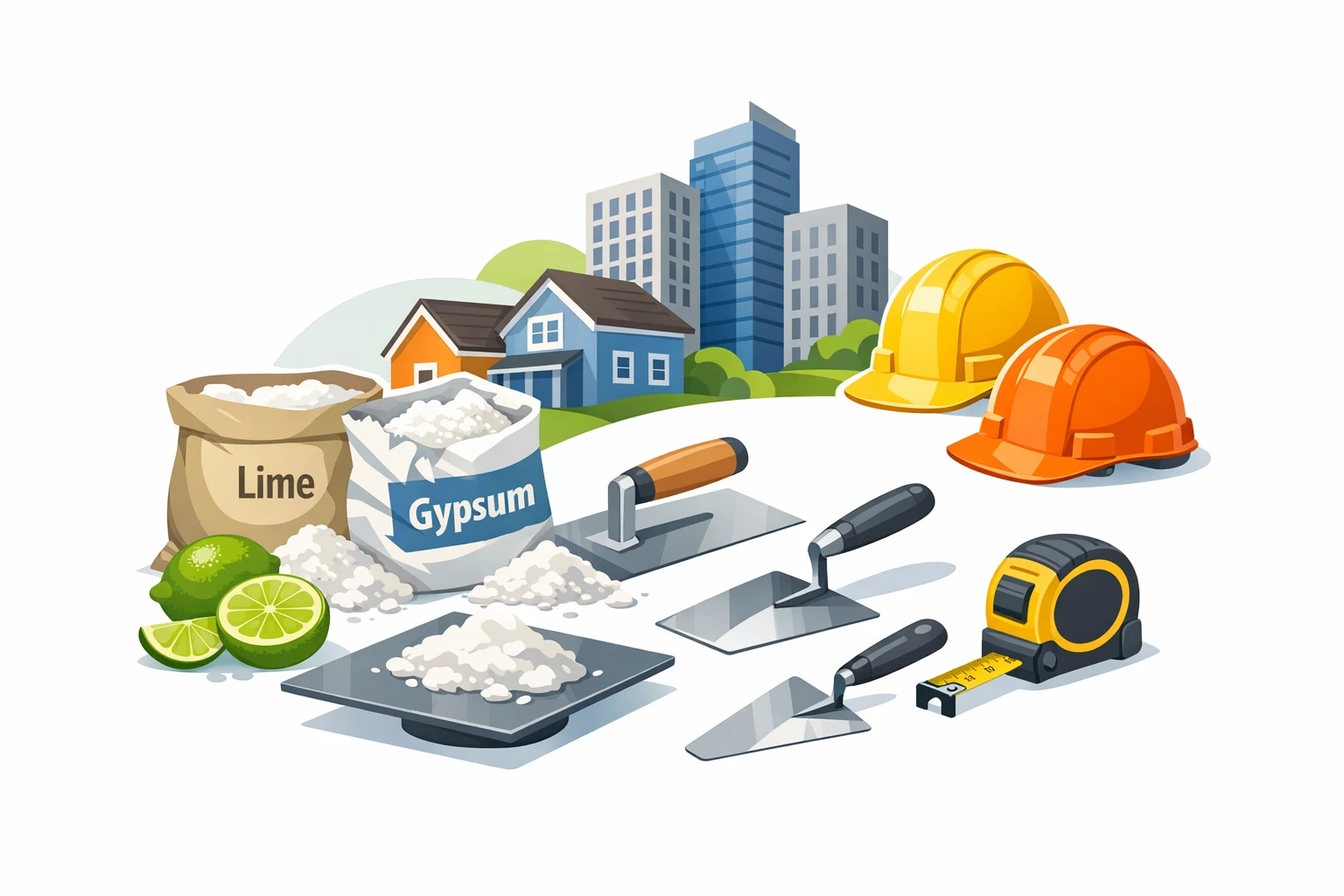
A core component of plasterer's work is the plaster itself, which can be made from various materials like lime, gypsum, or cement. The characteristics of these materials influence the finish and durability of the plaster.
Tools are another essential aspect. Plasterers frequently use trowels, hawks, straight edges and floats, amongst other tools depending on the specifics of the job.
A plasterer's skillset is also a key component. They need to be adept at measuring and mixing plaster, applying it evenly, and creating smooth or textured finishes.
The work's location can be another significant component. Plasterers operate in various settings, from new construction sites and renovation projects to repair jobs in existing buildings.
The type of finish required is another important aspect. Plasterers must be able to produce various finishes, from smooth and flat surfaces to decorative mouldings and textures.
Safety measures are integral as plasterers often work at height and must adhere to safety protocols to prevent accidents.
Types of Plasterers
Within the trade, there are several types of plasterers, each with specific skills and areas of expertise. These include:
Solid Plasterers | Often dealing with interiors and exteriors, they perform tasks from applying plaster materials to creating textures.
Ornamental Plasterers | Specialize in decorative plastering, involving bespoke mouldings and intricate plaster finishes.
Fibrous Plasterers | Mainly focus on fine interior work using plaster reinforced with fibres.
Rendering Plasterers | Specialize in coating exterior walls with a weather-resistant finish.
Venetian Plasterers | They apply a polished, marble-like decorative finish usually seen in high-end properties.
Each type of plasterer carries out different roles but shares the fundamental skill of working with plaster to improve the aesthetics and function of buildings. Expertise in various finishes, materials, tools and a solid understanding of safety protocols are key across all these roles.
Benefits of Hiring Professional Plasterers
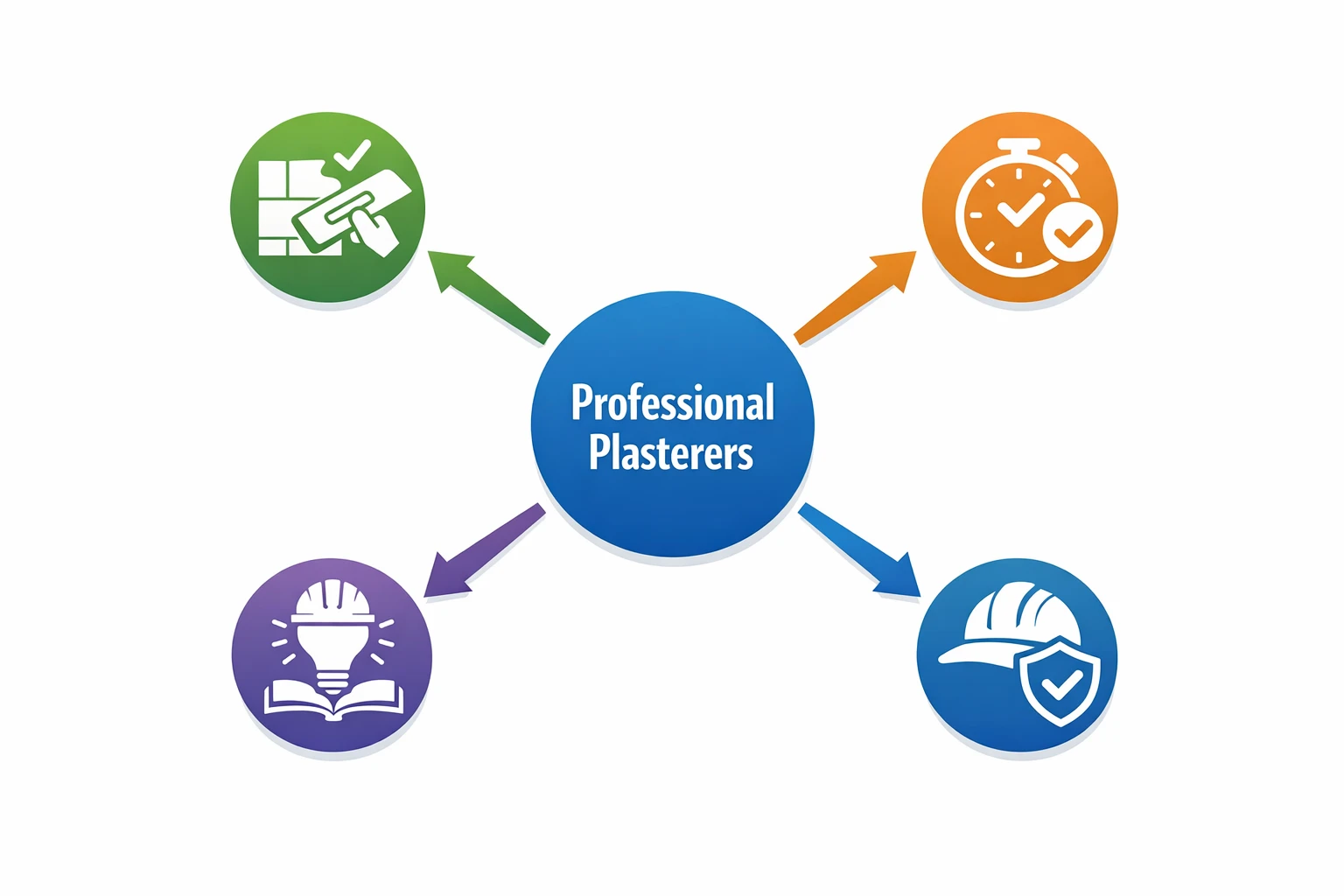
Professional Plasterers | Key Benefits High-Quality Work | Professionals can achieve a flawless finish, ensuring durability and aesthetics. Time-Efficient | With their skills and tools, they complete the work faster than DIY routes. Knowledge and Experience | They know the right plaster materials and methods to use for different types of projects. Safety Assurance | They adhere to safety protocols, minimizing the risk of accidents.
Professional plasterers bring a wealth of experience and skill to any project they handle. Apart from their ability to deliver high-quality work within a reasonable time, they have deep knowledge of the materials and a comprehensive understanding of safety standards.
Use Cases or Applications
Here are a few instances when you might need a plasterer's services:
- For new home construction, where plaster is needed for walls and ceilings.
- During renovation projects, to repair or replace old plaster.
- For off-form concrete finishes in commercial buildings.
- When your existing plaster work shows signs of wear and tear.
- If you want to change the aesthetics of your interiors with textured finishes or carved mouldings.
- For plaster repairs following a water leak.
- When restoring historical buildings preserving the original plaster work.
Considerations Before Hiring a Plasterer
Before hiring a plasterer, you may want to consider some key factors:
- Does the plasterer have the necessary skills and experience for my particular project?
- Can the plasterer provide references from previous clients?
- Has the plasterer received positive reviews or ratings?
- Does the plasterer follow safety regulations and possess necessary insurance coverage?
- Is the plasterer's quote for the project within my budget?
These considerations provide a helpful starting point when making a decision about hiring a plasterer for your project in NSW.
Common Misconceptions
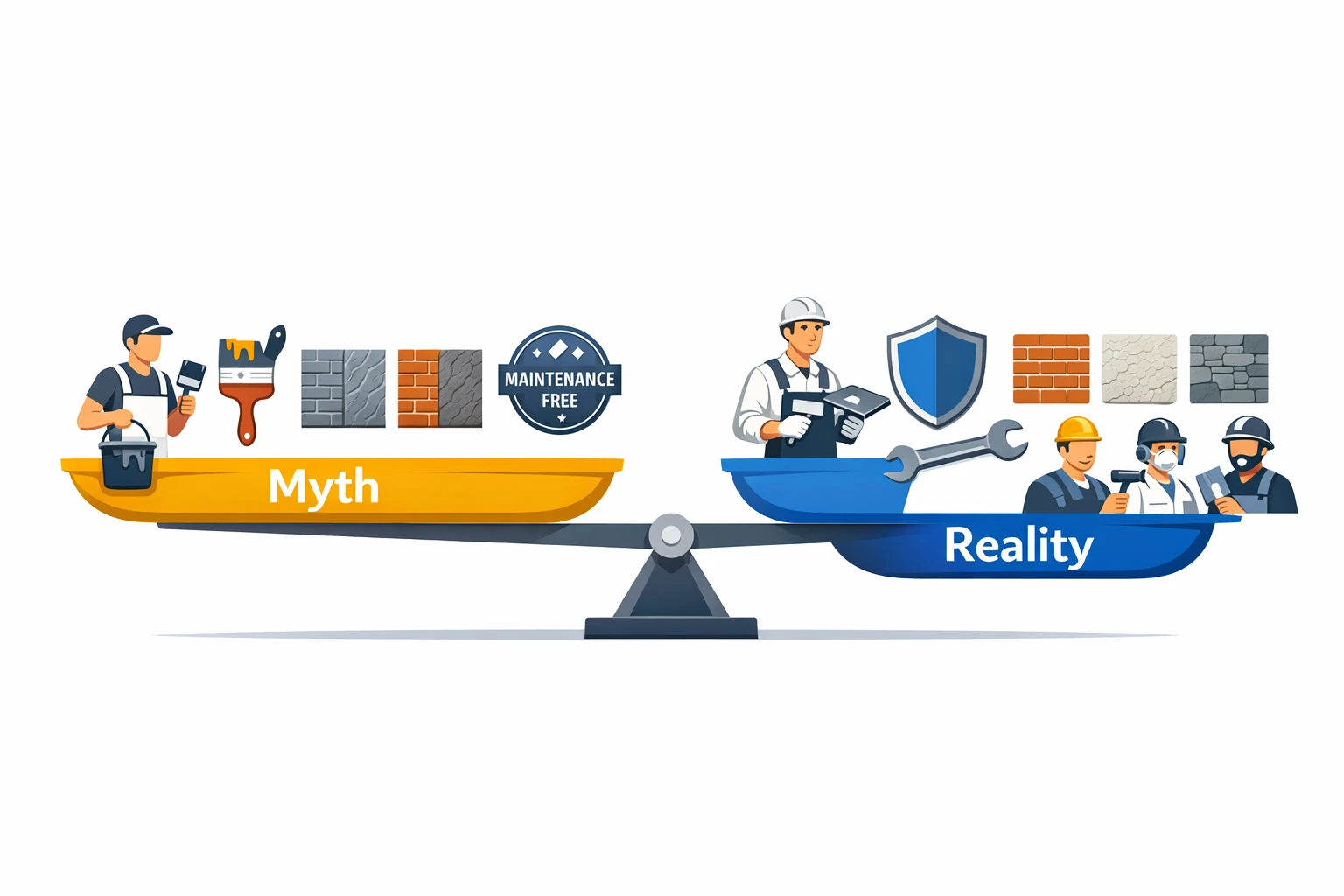
Myth: Anyone can do plastering. → Reality: Plastering is a skilled trade requiring experience and specific knowledge of materials and techniques.
Myth: Plastering is just for aesthetics. → Reality: Aside from improving appearance, plastering also provides a layer of protection for walls and ceilings.
Myth: All plastering finishes are the same. → Reality: Plasterers can create a wide range of finishes, from flat, smooth surfaces to textured and decorative styles.
Myth: Plastering does not require any maintenance. → Reality: Like other aspects of a building, plaster can age and may require occasional repairs.
Myth: All plasterers can do all types of plaster projects. → Reality: There are different types of plasterers, each specializing in specific aspects of the trade.
Future of Plastering
The plastering industry continues to evolve with the advent of new tools and materials. Innovations are largely centered around improving efficiency and sustainability. More durable plaster materials are being developed which require less maintenance and are more environmentally friendly. Tools that speed up the process and reduce physical strain for plasterers are also appearing on the market.
Another trend shaping the future of plastering is the growing appreciation for traditional and artisan plastering techniques, especially in high-end and historic restoration projects. This further highlights the importance of diverse skill sets among plasterers.
While technological advancements may reshape certain aspects of the trade, the need for skilled plasterers remains a constant. Their expertise in applying finishes to create beautiful, durable structures cannot be replaced by machines.
Related Concepts and Comparisons
Plastering is one of many trades within the construction industry. It shares similarities with other trades but also has distinctive characteristics. The table below outlines how plastering compares with some related trades:
Trade | Primary Material | Main Task | Aesthetic Influence
Plasterers | Plaster | Application on walls & ceilings for smooth, protective coating | Provides a finish for painting or texture for decoration
Painters | Paint | Application on surfaces for colour and protection | Imparts colour, decorative effects
Drywall installers | Drywall (gypsum board) | Built interior walls & ceilings | Provides a smooth base for painting or wallpaper
Bricklayers | Bricks | Constructing walls and other structures | Creates exterior surfaces, influencing building's overall look
Each of these trades contributes to a building's function and aesthetics in different ways, with plasterers playing a key role in the interior finishing process.
Conclusion
Plasterers play a crucial role in the construction sector, contributing not just to the aesthetics of buildings but also their durability and longevity. If you’re involved in a building project in Sydney, NSW or anywhere else in Australia, understanding the role of plasterers and the values they bring can help you make informed choices. As every project has unique requirements, consulting with a qualified plasterer can help ensure the best results tailored to your specific needs.
Common questions
- What qualifications should a professional plasterer have?
- A professional plasterer should ideally be trained in a reputed institution or through an apprenticeship. They may also have years of hands-on experience. It's also important that they follow industry safety standards and have insurance coverage.
- How long does it take to plaster a room?
- The duration depends on the room's size, the plasterer's skill, and the finish required. Generally, plasterers can plaster a medium-sized room in one to two days.
- What is the ideal temperature for plastering?
- The ideal temperature is typically around 10-20 degrees Celsius. If it's too hot, the plaster can dry too quickly and crack.
- What's the difference between plastering and rendering?
- Both involve applying a plaster mixture to surfaces. The main difference is their location: plastering is typically used on interior walls and ceilings, while rendering is used on exterior surfaces.
- How long does plaster take to dry?
- Plaster typically takes about two to six days to dry completely, depending on the material's composition, the room's temperature and ventilation.
- Can plaster be painted over?
- Yes, once dried, plaster provides an excellent smooth surface base for painting. However, be sure to apply a primer before painting to ensure proper adhesion.