
What are Plumbers?
Learn about the services offered by plumbers, key components of the plumbing profession, different types, benefits, and common misconceptions.
Looking for one? See our ranking of 37 plumbers in Sydney
How Plumbing Works
Plumbing is an essential service that ensures the proper functioning of water supply and waste disposal systems in our homes and businesses. It involves the design, installation, repair and maintenance of these systems.
There are several steps involved when a plumber is called for assistance. First, the client contacts a plumber explaining the problem they're experiencing. The plumber then assesses the issue either over the phone or in person where possible.
If an on-site visit is needed, the plumber travels to the location. After assessing the situation, the plumber will propose a solution and provide an estimate for the repair or installation. Once the client agrees to the price and the job, the work begins.
Equipped with the right tools, plumbers carry out the work, fixing leaks, unclogging drains, or installing new pipes as the job requires. Once the job is complete, plumbers ensure the restored system is working correctly to prevent future issues.
Key Components of Plumbing
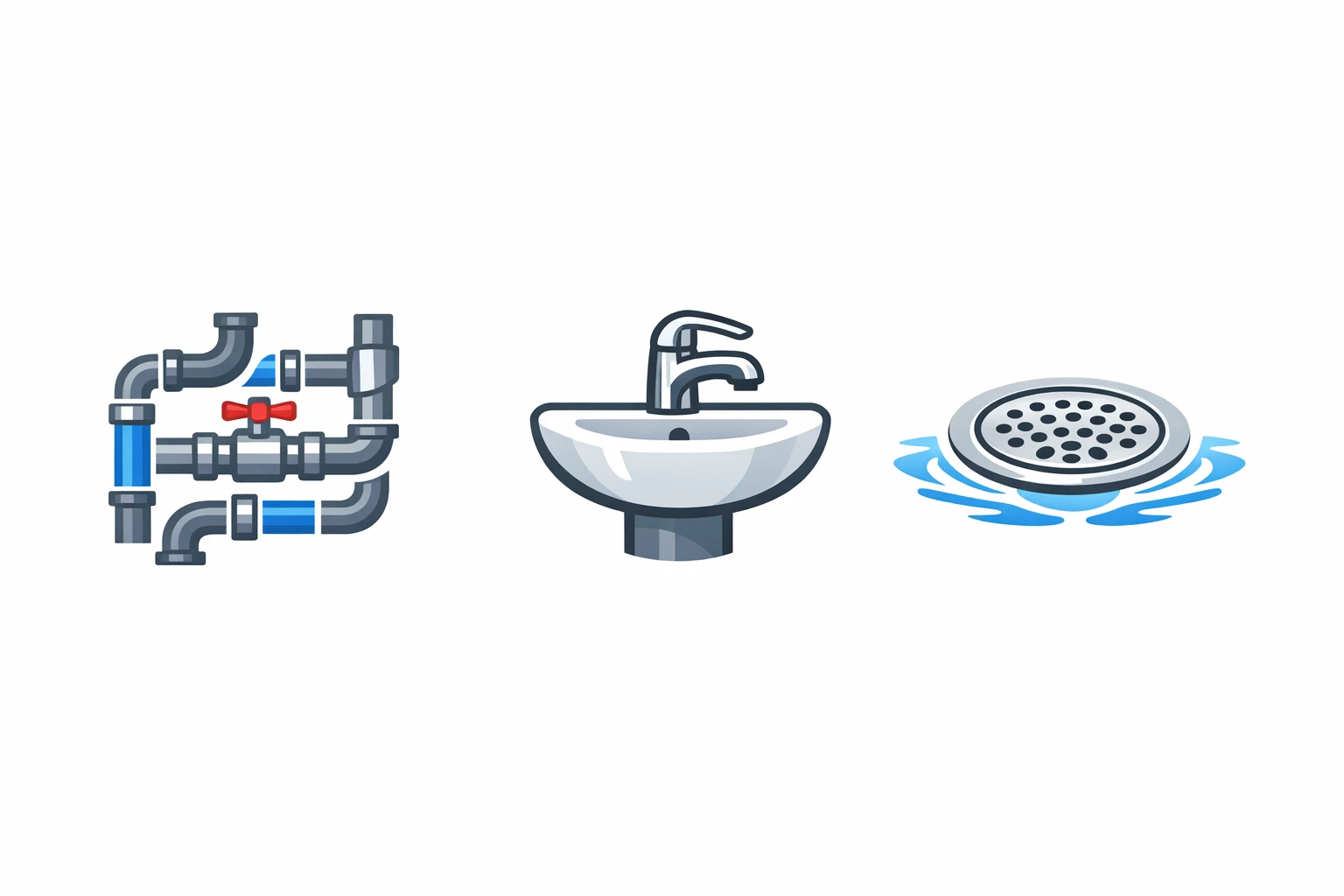
There are three key components of plumbing – pipes and fittings, fixtures and appliances, and drainage. Pipes and fittings make up the network throughout a building, distributing water from the mains and removing waste water to the sewer lines. Fixtures and appliances encompass elements like taps, sinks, bathtubs, water heaters, and dishwashers. Drainage is a crucial component that ensures wastewater is effectively and safely removed from the property.
Types of Plumbers
Plumbing encompasses a wide range of services and thus, different types of plumbers specialise in different areas. These include residential plumbers, commercial plumbers, service and repair plumbers, and pipefitters and steamfitters.
Type | Specialisation | Typical Jobs Residential Plumber | Plumbing in homes and apartments | Installing plumbing for new houses Commercial Plumber | Plumbing in commercial and public buildings | Large-scale installations and maintenance Service and Repair Plumber | General plumbing repairs | Fixing leaks and clogs Pipefitter and Steamfitter | Industrial pipe installations | Installing heating and cooling piping systems
Benefits of Plumbing
Benefit | Description Health and sanitation | Plumbing systems direct waste materials away from homes to maintain hygiene and health Convenience | Access to clean water at all times is a major convenience that plumbing provides Property value | A well-maintained plumbing system can significantly increase a property’s value
In addition to the notable benefits, a well-maintained plumbing system contributes to the overall efficiency and sustainability of water use in homes and businesses across NSW.
Use Cases or Applications
Plumbing services are needed in numerous situations such as updating a bathroom during a home renovation, installing new appliances like dishwashers or washing machines, in emergency situations when a pipe bursts, or unclogging blocked drains and toilets. They also help with regularly scheduled inspections and maintenance to keep systems running smoothly. In NSW, they may be called to fix issues with water heaters during winter. In rural areas, plumbers also handle installation and maintenance of septic systems. In commercial settings, plumbers may work on large-scale waste removal systems or fire suppression systems.
Considerations Before Hiring a Plumber
There are several factors to consider when hiring a plumber in NSW or anywhere.
- Does the plumber have a valid license? - Do they have positive customer reviews? - Can they provide an upfront estimate for the job? - Do they carry insurance for liability and workers' compensation? - Can they provide references from previous jobs?
These questions will help ensure that you are working with a reputable, experienced professional.
Common Misconceptions

Myth: Any handyman can do the work of a plumber → Reality: Plumbing is a licensed and regulated profession. Certified plumbers are trained to comply with safety standards and building codes.
Myth: Plumbing doesn't require any professional skills → Reality: Plumbers combine practical skills with a wide knowledge of pipe systems and building layouts.
Myth: All plumbers charge about the same amount → Reality: The cost can differ depending on the nature of the job, level of skill required, and the plumber's experience.
Myth: Plumbing is just about fixing leaks and unclogging drains → Reality: Plumbers handle a wide range of jobs, from installing fixtures to designing complex water systems for buildings.
Myth: Plumbing work doesn't have any impact on the value of a property → Reality: A good plumbing system can greatly enhance the value and desirability of a property.
Future of Plumbing
The future of plumbing looks to be increasingly technological, with advancements in efficient fixtures, leak detection technology, and environmentally-friendly systems. As we strive to make our homes and businesses more eco-friendly, plumbers are likely to play a key role in installing and maintaining these new systems. Furthermore, as buildings in NSW and around the world increasingly incorporate 'smart' technology, plumbers will need to stay updated on the latest tools and techniques.
Related Concepts and Comparisons
Plumbing is related to, but distinct from, several other trades and concepts. These include pipefitting, steamfitting, and gas fitting.
Concept | Relationship to Plumbing | Duties Pipefitting | Similar in terms of working with pipes, but specialises in network systems in industrial applications | Installation and maintenance of pressure systems Steamfitting | A specialisation within pipefitting that works specifically with steam systems | Works in places like power plants where steam systems are used in industrial processes Gas Fitting | Involves installation and repair of systems supplying houses and industries with fuel gas | Works with appliances such as gas heaters, ovens, and industrial production units
Conclusion
In conclusion, the role of plumbers extends far beyond merely fixing leaks and unclogging drains. They play a significant role in ensuring our homes and businesses function smoothly and maintain their value. Whether you are facing a plumbing issue or planning a renovation in your NSW home, the expertise of a plumber will be invaluable. Always ensure you hire a licensed and insured professional for any type of plumbing work.
Common questions
- When should I call a plumber?
- Call a plumber for issues that extend beyond simple fixes, such as a leak that can't be stopped, a major blockage in your drain, lack of hot water, low water pressure, or if you are planning a home renovation.
- Can plumbers detect leaks?
- Yes, plumbers have special tools that can detect leaks, even those hidden inside walls or under the floor. If you suspect a leak, it's best to call a professional.
- Do plumbers handle gas problems?
- Some plumbers are trained and licensed to handle gas problems. It's important to ensure they are legally certified to work with gas systems.
- How much does it cost to hire a plumber?
- The cost can vary widely depending on the nature of the job. Many plumbers will provide an estimate in advance.
- What's the difference between a plumber and a pipefitter?
- Both work with pipes, but plumbers primarily work on water and waste systems, while pipefitters handle systems like steam, industrial production fluids, and gases.
- What kinds of tasks can plumbers do?
- Plumbers handle a range of tasks, from fixing leaks, unclogging pipes, installing new fixtures, to repair and maintenance of water heating systems.