What is Pressure Washing?
Discover what pressure washing is, how it works, its benefits, and common misconceptions. Also, explore its applications and what to consider before getting one.
How Pressure Washing Works
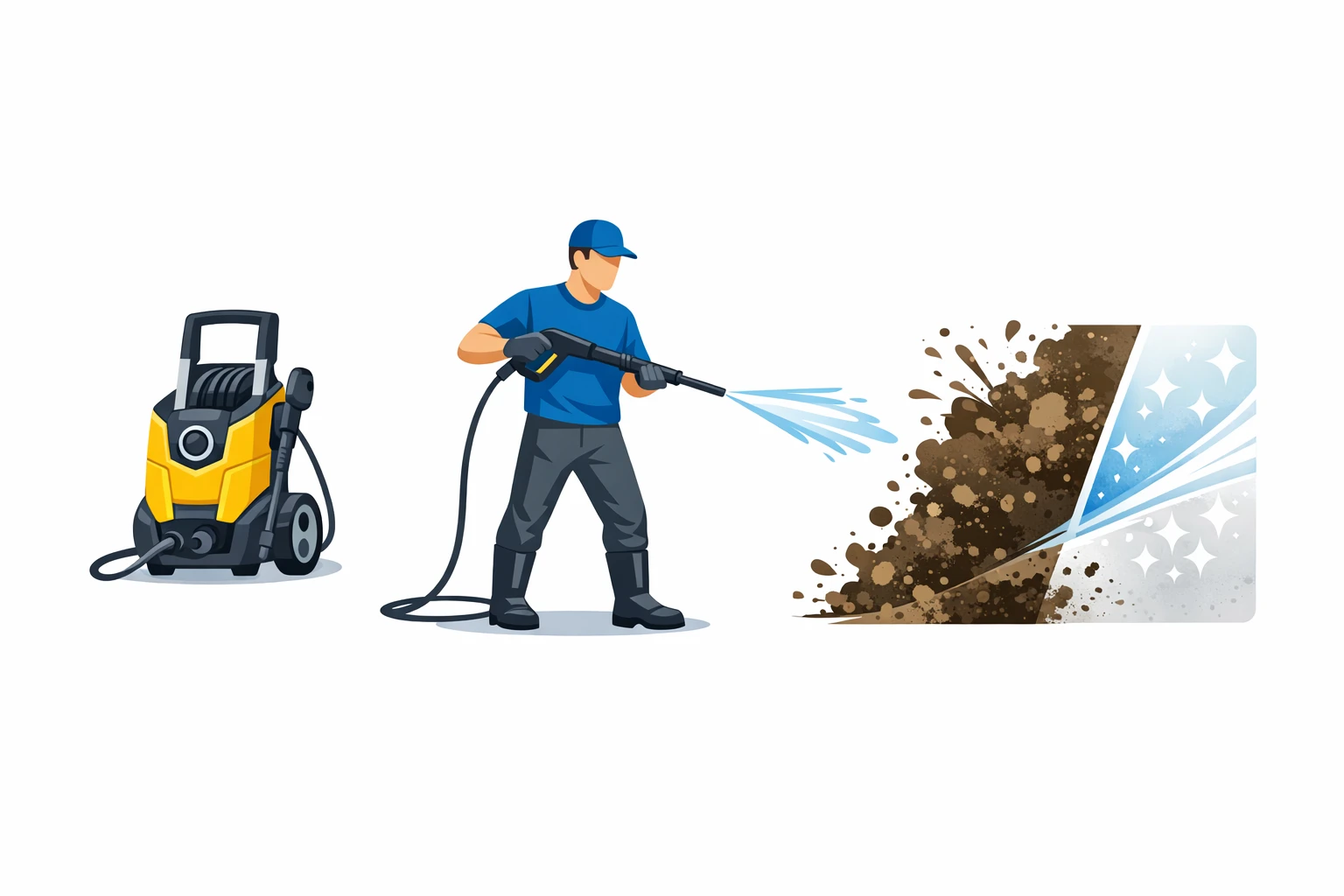
Pressure washing, also known as power washing, is a cleaning method that involves using high-pressure water spray to remove dirt, grime, and other pollutants from surfaces. The equipment used for pressure washing typically consists of a motor that drives a water pump, a high-pressure hose, and a trigger gun-style switch.
The process starts by connecting the pressure washer to a water source, usually a garden hose. Once the machine is turned on, the motor powers the pump to create a high-pressure stream of water. When the trigger is squeezed, the water shoots out of the nozzle at high speed. The force of this water spray is strong enough to dislodge dirt and grime from the surface being cleaned, leaving it looking new and clean.
Key Components of Pressure Washing
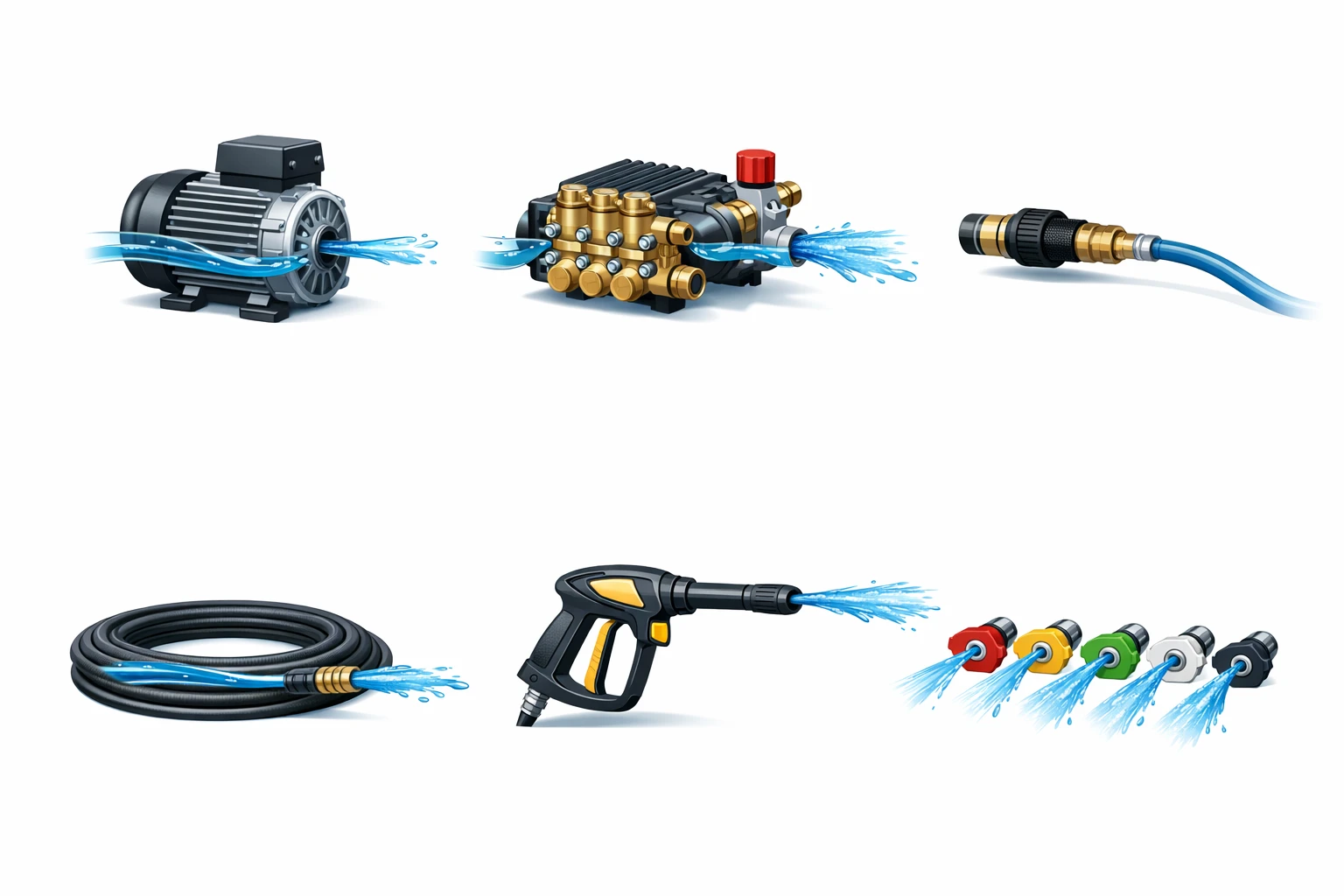
Pressure washing involves several integral components. The motor is either electric or gas-powered and plays a vital role in powering the water pump. The water pump is responsible for creating a high-pressure water stream. The water inlet is a hose that connects the pressure washer to the main water supply. The high-pressure hose can withstand the water stream's force and transport it from the pump to the cleaning attachment. The cleaning attachment, often a trigger gun, directs the water stream to the cleaning surface. Lastly, many pressure washers come with different nozzles that adjust the spray pattern for various cleaning tasks.
Types of Pressure Washing
There are several types of pressure washing based on the method and equipment used: traditional pressure washing, power washing, and soft washing.
Type | Description | Best for Traditional Pressure Washing | Uses normal temperature water at high pressure | Best for heavy duty cleaning such as concrete or brick surfaces Power Washing | Includes heating the water to make it a more effective cleaner | Ideal for removing hardened deposits like chewing gum from sidewalks Soft Washing | Uses a low-pressure nozzle to avoid damaging delicate surfaces, combined with cleaning agents | Perfect for cleaning damage-prone areas such as wooden decks, roofs, and older buildings.
Benefits of Pressure Washing
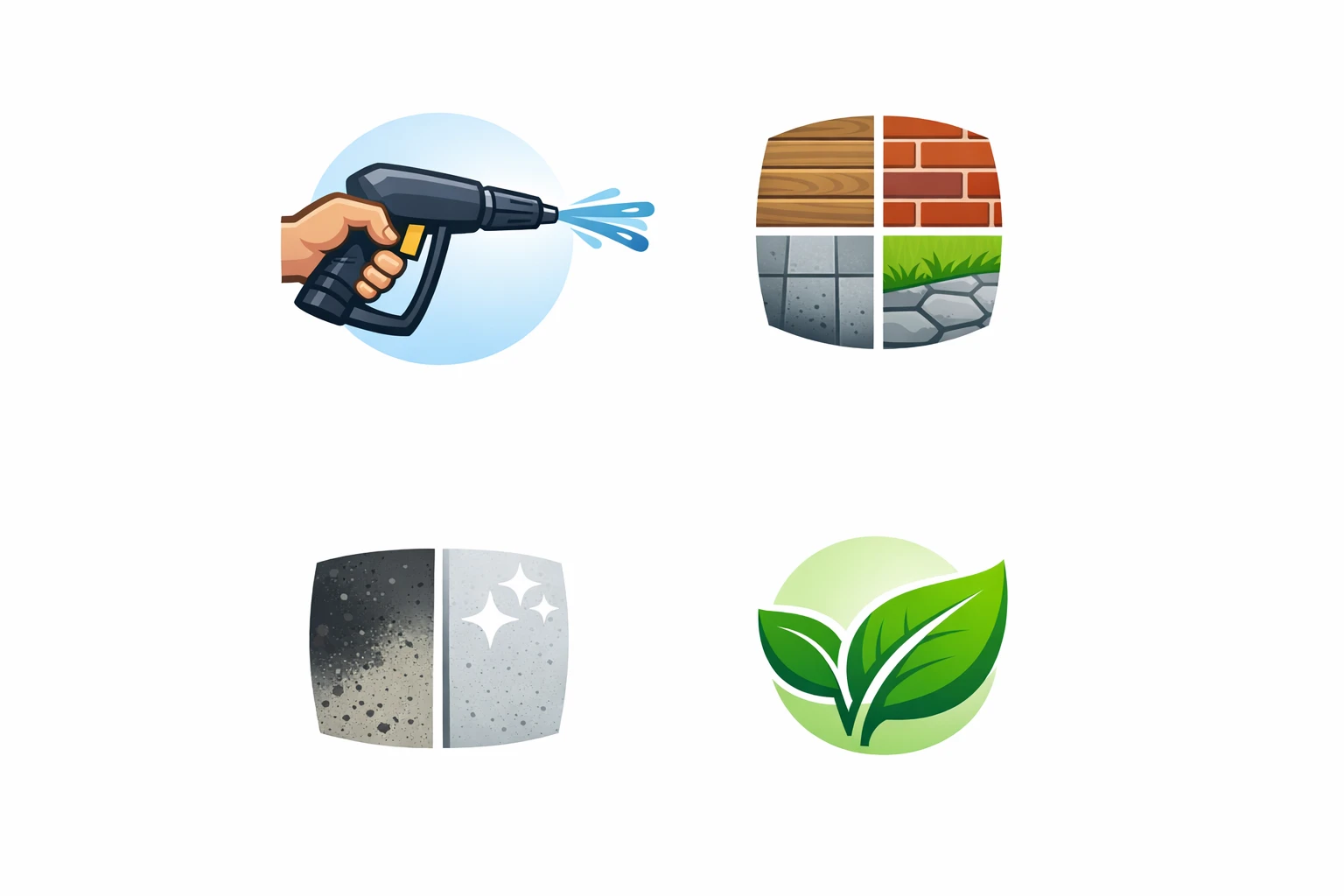
Advantages | Details Ease of Use | Pressure washing machines are straightforward to operate and can significantly decrease the time and labour involved in cleaning large areas. Versatility | With different pressures and nozzles, these machines can be used on various surfaces, including concrete, brick, wood and more. Efficiency | Pressure washing can remove stubborn dirt, grime and mildew that are typically harder to clean with regular methods. Environmentally Friendly | It reduces the need for harsh chemical cleaners, making it a more eco-friendly method of cleaning.
Overall, the efficiency and versatility of pressure washing make it a popular choice for a broad range of cleaning tasks, from residential decking and siding to commercial building washing and concrete cleaning.
Use Cases or Applications
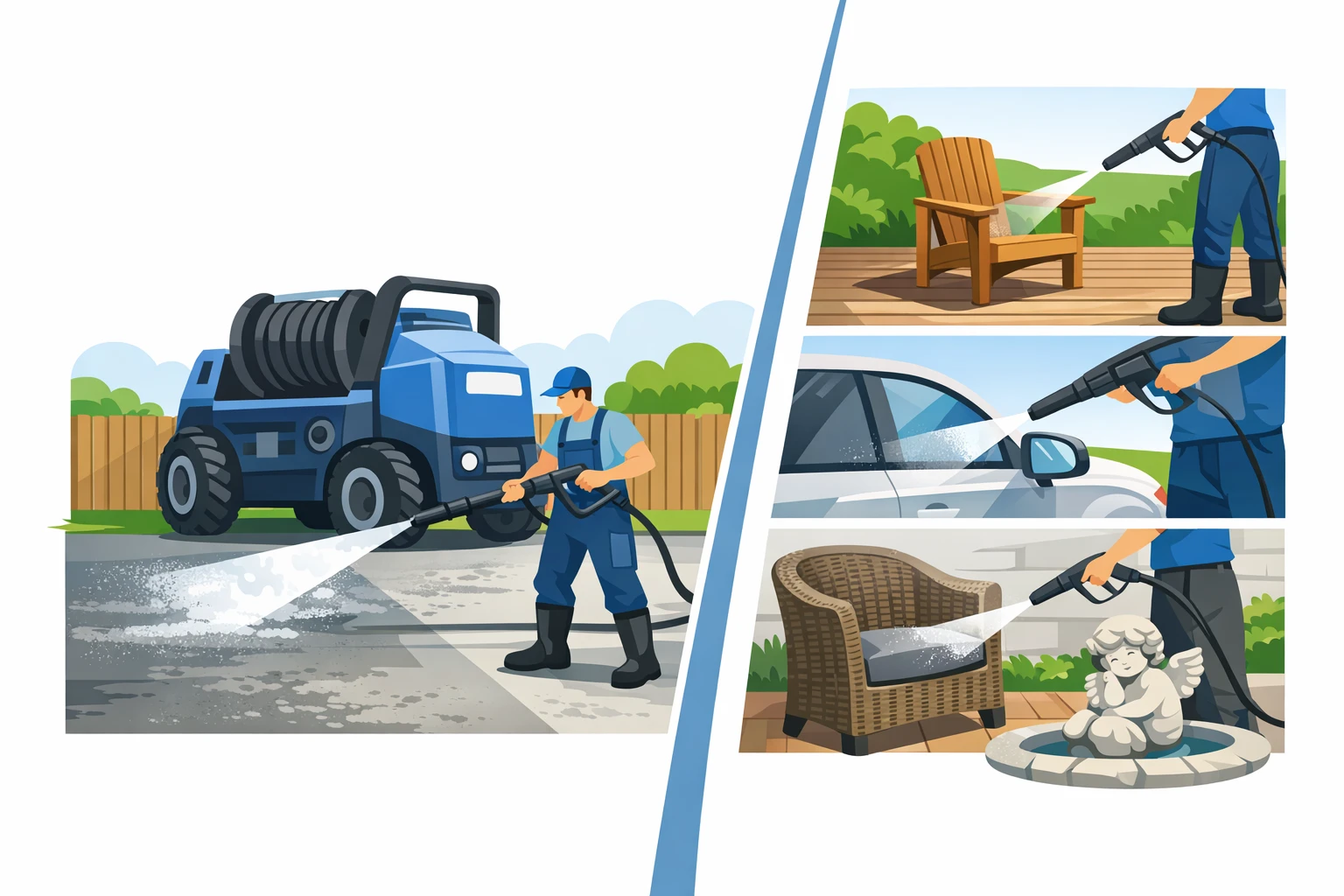
Pressure washing can be used in many ways. For residential use, it works great in cleaning driveways, patios, decks, and fences. It can restore the appearance of your home's exterior siding, removing mold and mildew. For commercial use in Sydney and other parts of NSW, pressure washing is often used to clean the external areas of buildings, parking lots, sidewalks, and even monuments. It's used in many places, including gas stations, shopping centers, schools, and hospitals. For industrial applications, pressure washing machines are used to clean heavy machinery, warehouses, and production spaces.
Considerations Before Adoption
- Do you have surfaces that can safely withstand the force of a pressure washing? - Will you need to use a detergent or cleaning solution? - Will you be using it frequently or occasionally?
Considering these questions can guide you on the right pressure washing service or machine purchase that suits your needs.
Common Misconceptions
Myth: Pressure washing is only good for large areas → Reality: While they excel in large areas, pressure washers can also be used for spot cleaning. Myth: Pressure washing is damaging to all delicate surfaces → Reality: With proper technique and the right equipment, you can safely clean a variety of surfaces, including delicate ones. Myth: All pressure washers are the same → Reality: Pressure washers can vary greatly in their design, pressure output, and capabilities. Myth: Pressure washing doesn't require professional service → Reality: Although you can do-it-yourself, professional pressure washing services often have the right equipment and experience to do the job effectively and safely. Myth: Pressure washing is not eco-friendly → Reality: Pressure washing can be more eco-friendly than traditional cleaning methods as it often uses less water and can clean without harsh chemicals.
Conclusion
Pressure washing is a highly efficient and versatile cleaning method that can restore the look of various outdoor surfaces. Whether it's your driveway in Sydney or a commercial building in NSW, considering a professional pressure washing service could be a valuable investment in maintaining the cleanliness and aesthetics of your property. Remember always to choose a service or machine that suits your specific needs and ensure to operate safely if you choose to do it yourself.
Common questions
- What is the difference between power washing and pressure washing?
- The main difference lies in the water temperature. Power washing uses hot water and is more effective in removing very stubborn stains like chewing gum from sidewalks.
- Can pressure washing damage my surface?
- If used improperly or on the wrong surface, pressure washing can cause damage. Always test on an inconspicuous area first or hire a professional.
- Can I use any detergent for pressure washing?
- Not all soaps are suitable for pressure washing. It is recommended you use a detergent specifically designed for your type of pressure washer.
- How often should I pressure wash my house?
- It often depends on the local weather and the condition of the house, but as a general rule, pressure washing your house once a year is recommended. Always check your home's state and choose appropriately.
- Can pressure washing remove paint?
- Yes, high pressure water can remove flaking or chipping paint. It's frequently used as a method of stripping paint from surfaces in preparation for repainting.
- Is pressure washing environmentally friendly?
- Pressure washing can be an environmentally friendly method of cleaning because it often uses less water compared to traditional cleaning methods and can clean without the need for harsh chemical cleaners.