What is Security System Installation?
Find out the mean of security system installation, its benefits, types, use cases and more. Clear your misconceptions and get your FAQs answered.
Looking for one? See our ranking of 42 security system installation in Sydney
How Security System Installation Works
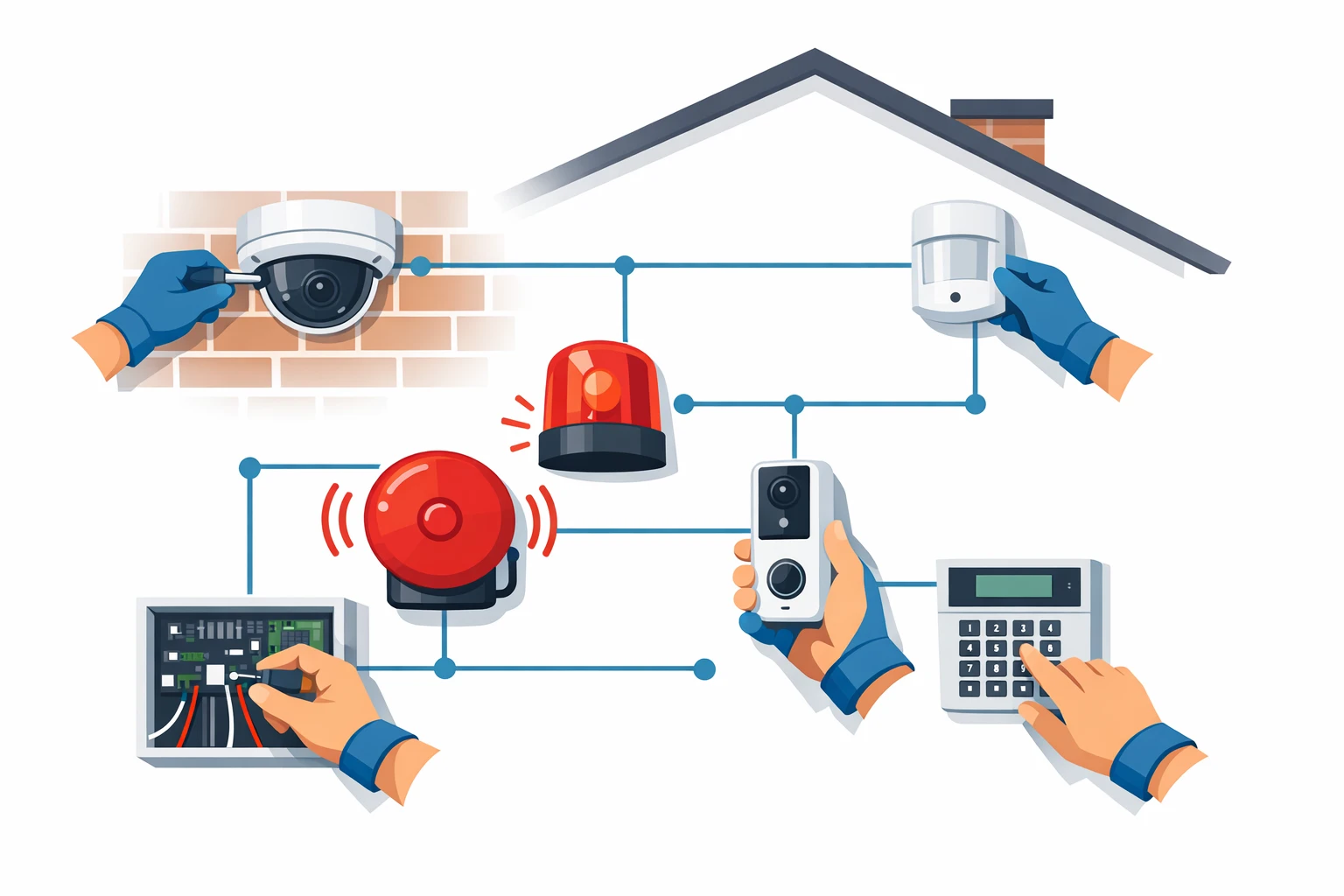
Security system installation is the process of fitting and setting up various security devices and elements in a property to safeguard it against potential threats – break-ins, theft, damage, fire, etc. The process can range from installing simple set-ups like a lock to more complex arrangements like alarm systems or video surveillance systems.
The process generally starts with a security assessment, where the installer will evaluate the property, identify the risky spots, and recommend suitable security measures. Once the devices are selected based on the property's layout and user preference, the installer proceeds with the official setup which includes physically installing devices and establishing connections between them for a seamless operation.
Finally, there's system testing to ensure all components are working as expected. It's usually accompanied by user training where the installer explains the system's functioning to the property owner. Remember that installations can differ based on the type of security system, the property's characteristics, the client's requirements, and the local regulations in NSW.
Key Components of Security System Installation
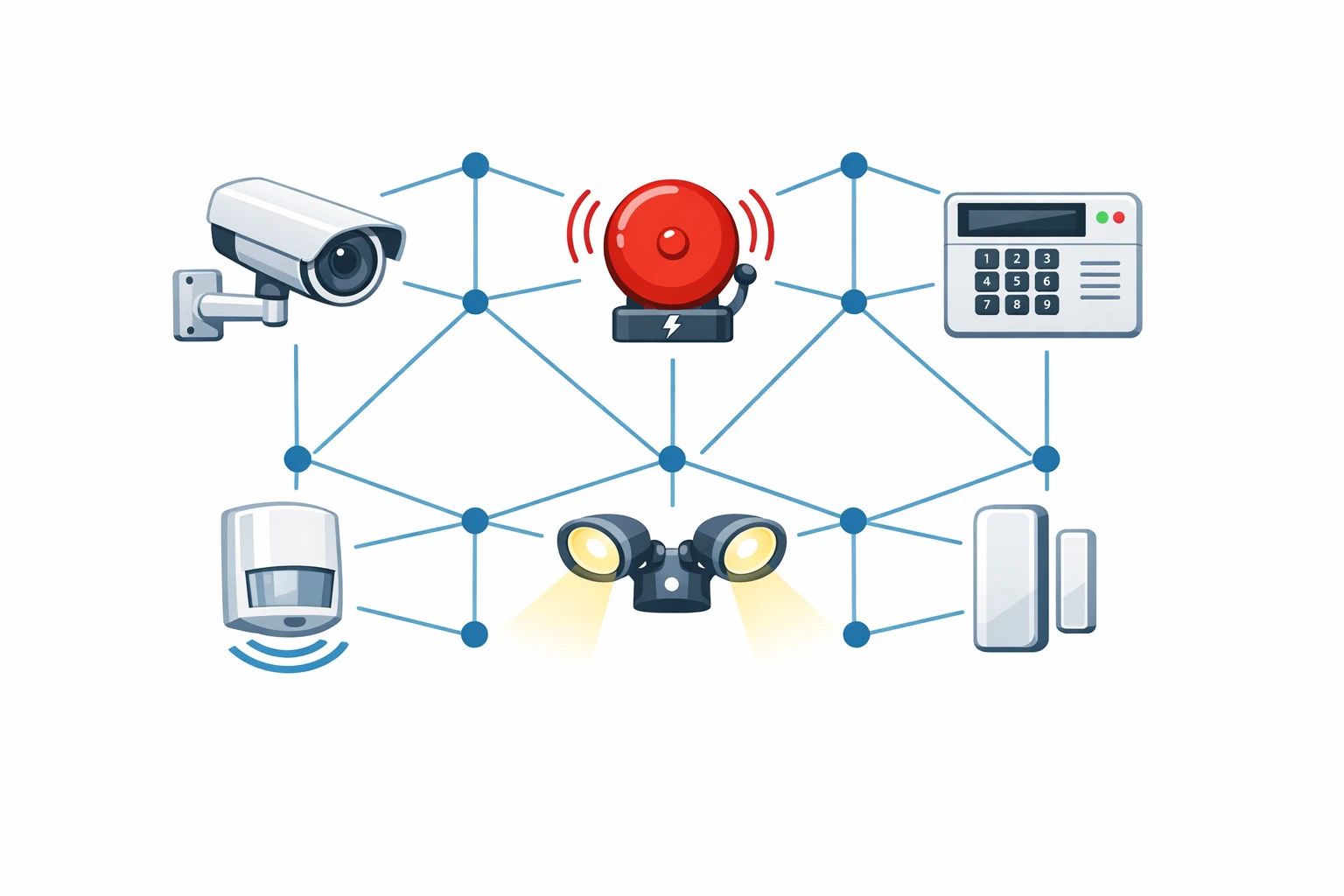
The components involved in a security system installation can vary based on system type and requirements, but the key common elements generally include:
Security Cameras: CCTV or surveillance cameras are effective tools for monitoring a property.
Alarms Systems: These systems often use sensors to detect unwanted activities (such as break-ins or fires) and emit loud alerts.
Control Panels or Keypads: These serve as the interface for controlling the different devices within a security system.
Motion Sensors: Useful for detecting movements within a specified range, typically used in combination with alarm systems or security lighting.
Security Lighting: Outdoor lights that activate on detecting motion can act as deterrence for intruders.
Door and Window Sensors: These are designed to identify when doors or windows get opened or closed.
Wiring: Cables are crucial for providing power and connecting different devices, unless the system is wireless.
Types of Security System Installation
Security system installations differ based on the technology and complexity involved in the setup. Here is a quick comparison among some popular types:
Type | Comprehensive | Specific Wired systems | Involves comprehensive installation of multiple security components through a wired network | Ideal for setting up a robust security structure, especially in large properties
Wireless systems | Includes wireless components that require individual positioning but no cord connections | Suitable for residential properties or rented spaces due to the ease of installation and removal
Monitored systems | Involves the installation of security services that are monitored by a professional security company | Ideal for those who prefer round-the-clock supervised security
Unmonitored systems | Includes alarm systems that alert the property owner or neighbours, but there's no remote monitoring service | Serves as an economic solution for small premises
Benefits of Security System Installation
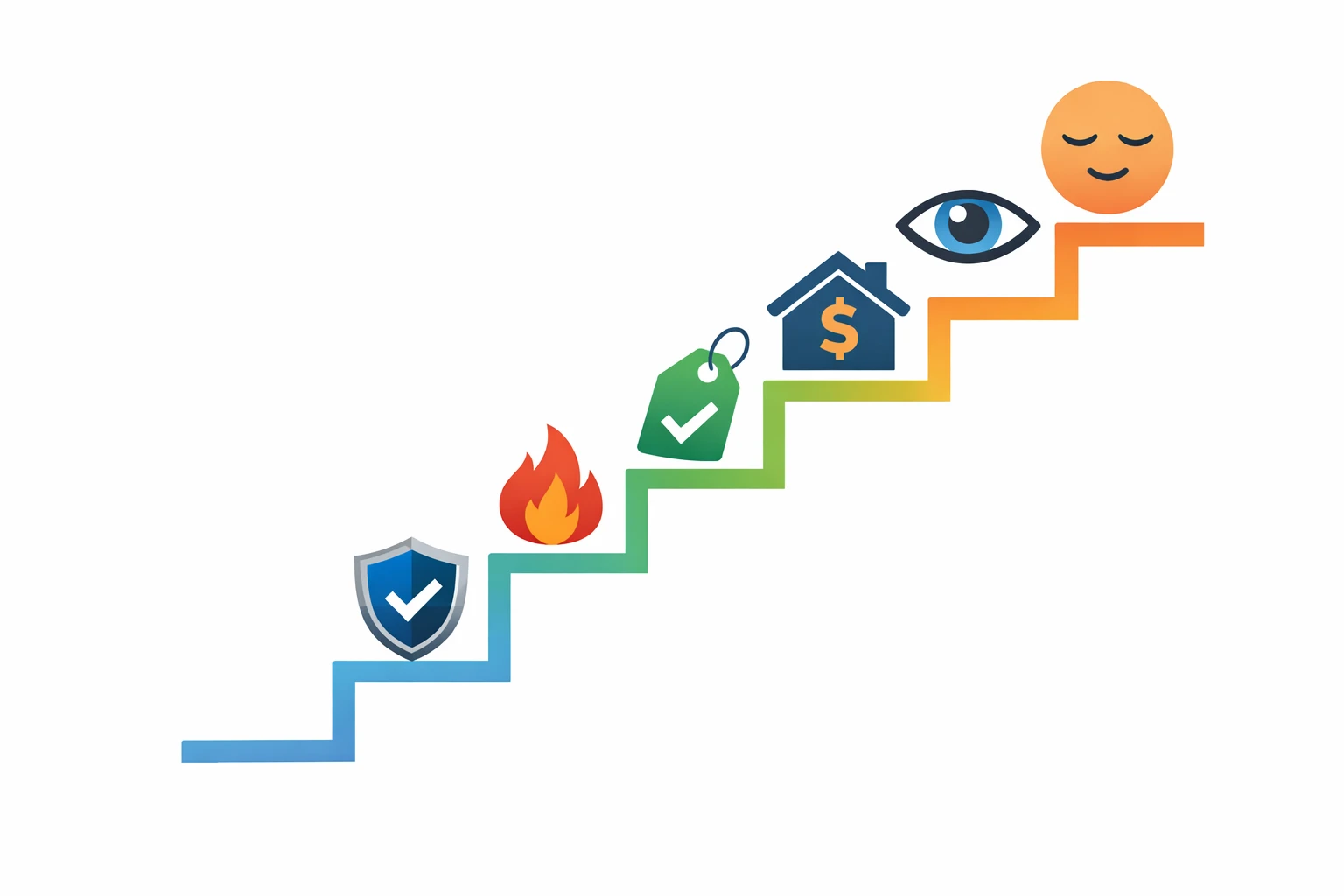
There are multiple benefits associated with installing a security system, the primary ones of course relate to safety and protection. Here is a comprehensive list:
Benefit | Details Protection against break-ins | Provides robust protection against potential break-ins through alarms and surveillance cameras
Fire protection | Many systems provide protection from fire threats alongside intrusion detection
Lower insurance premiums | Homeowners can generally avail a discount in insurance premiums if a certified security system is installed
Increasing property value | A property with an integrated security system is often viewed as a safer place, thereby increasing its value
Remote surveillance | Several systems provide the option of remote monitoring, allowing owners to stay aware of their property's status from anywhere.
Peace of mind | Knowing that your property is secure can bring significant peace of mind.
Note: Benefits can vary based on the specific security system installed and the property's location in NSW.
Use Cases or Applications
Security system installations serve critical roles in various situations:
Residential Properties: From independent houses to apartment complexes, security systems work to protect homes and families.
Commercial Buildings: Businesses, especially those dealing with valuable goods, might need robust security systems to prevent theft.
Educational Institutions: Schools, universities, etc. in NSW often adopt security systems to ensure student safety.
Office Complexes: Companies install security systems to protect assets, ensure employee safety, and monitor daily activities.
Government Buildings: To secure sensitive information and ensure safety, government offices extensively deploy security systems.
Public Spaces: Parks, museums, etc. often have security devices for public safety.
Construction Sites: With valuable tools, machinery and exposed structures, these sites can benefit from security installations.
Rural Properties: In rural NSW areas, these systems can be used to monitor livestock and protect them from potential threats.
Considerations Before Adoption
When thinking about installing a security system, here are some important points to consider:
- What is your primary reason for wanting a security system? (Safety, surveillance, fire detection, etc.) - Is the property's layout amenable to the type of installation you're considering? - Is there adequate power supply for a wired installation? - Are all intended areas covered by the planned system? - How noticeable (or discreet) do you want the system components to be? - How user-friendly is the control interface?
Consideration is significant in choosing the right security system. It's suggested to seek advice from professional installers or security companies in NSW for the best outcomes.
Common Misconceptions
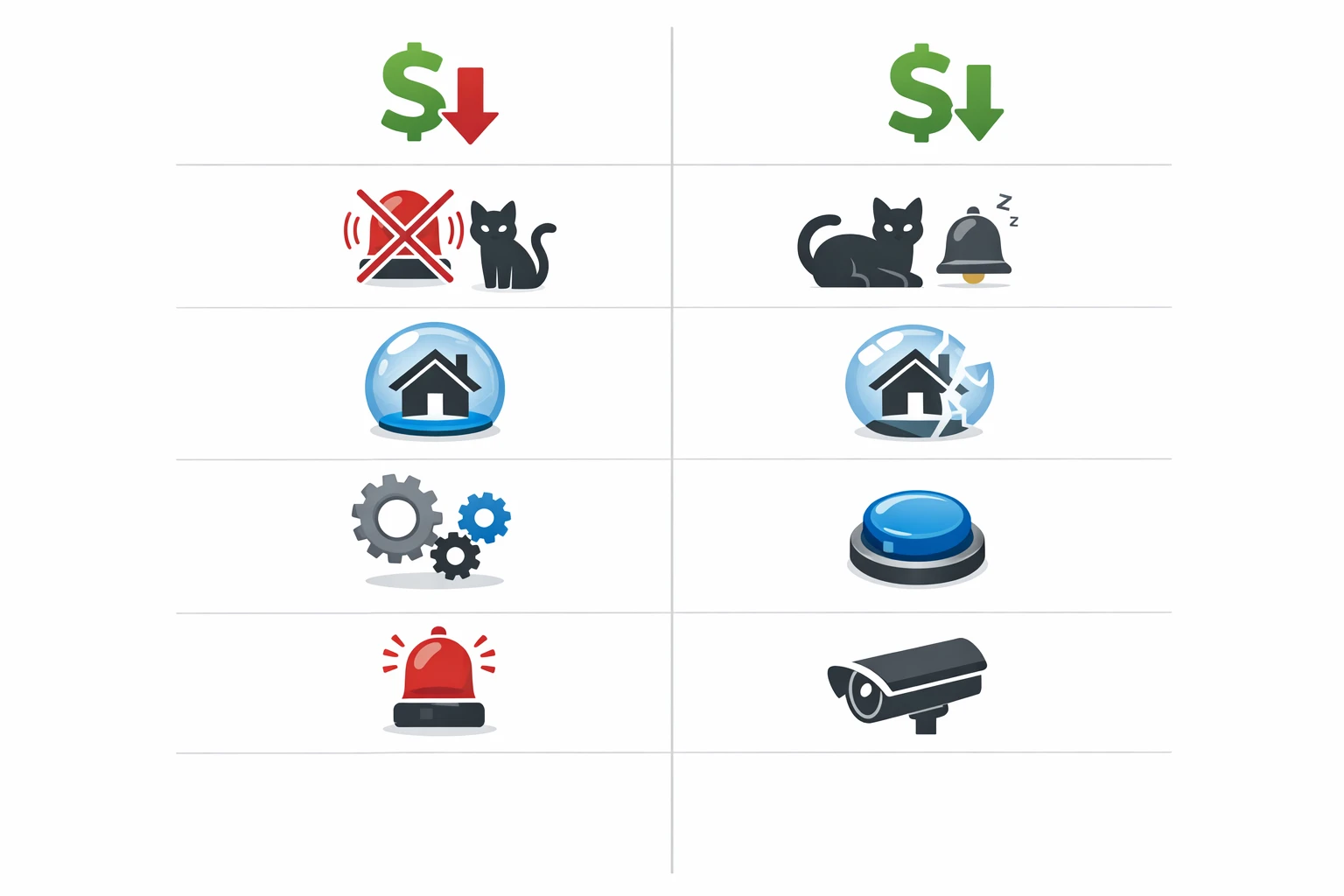
Myth 1: All security systems are expensive → Reality: The cost of a security system can greatly vary; wireless and unmonitored systems are often more economical options.
Myth 2: Pets will trigger false alarms → Reality: Modern security systems have pet-immune sensors that avoid signals from small animals.
Myth 3: Security systems aren't necessary in safe neighborhoods → Reality: Even the safest areas can be exposed to unexpected threats; safety should always be a priority.
Myth 4: Security systems are complex to use → Reality: Now, many security devices come with user-friendly control panels and mobile application options for easy monitoring and operation.
Myth 5: An alarm is enough; surveillance cameras aren't required → Reality: While an alarm does provide a layer of security, cameras can act as deterrents as well as crucial tools to identify and prove an incident.
Future of Security System Installation
As we move towards more sophisticated technology, the face of security systems is likely to change. Already, we're seeing the integration of Artificial Intelligence (AI) and Machine Learning (ML) into security systems for smarter monitoring and quicker threat detection. Future developments may include security systems that can actively predict and prevent a security breach before it occurs.
Moreover, the concept of 'smart homes' is gaining popularity, and security setup is becoming an integral part of this trend. We can expect more seamless integration of security systems with other home devices and systems. Security system as a service (SSaaS) may also rise in popularity, offering customizable and flexible security solutions.
While the specifics may vary, the overall trend is evident - security systems and their installations are becoming smarter, more integrated, and incredibly proactive.
Conclusion
Being well-informed about security system installation can greatly help when you consider improving your property's safety. Understanding the process, knowing the components, acknowledging the benefits, and dismissing myths can lead you to make the right decision. With a variety of options available in NSW, consulting professionals can further simplify your security system selection and installation journey.
Common questions
- Can I install the security system myself?
- While Do It Yourself kits are available for less complicated wireless systems, professional installation is recommended for a more robust and seamless setup.
- Can a security system work during a power outage?
- Most security systems have a backup power source that can keep them functional during short-term power outages. However, long-term outages might require alternative solutions.
- Will my pet trigger the security alarm?
- Modern security systems often include 'pet-friendly' or 'pet-immune' sensors that avoid triggering from movements of small animals.
- Do all security systems come with a monitoring service?
- Not all systems come with a monitoring service. While monitored systems provide added security, they are often more expensive than the unmonitored ones.
- Does installing a security system lower my insurance premiums?
- Many insurance companies offer discounted premiums if a certified security system is installed. It's advisable to check with your insurance provider.
- Can I shift my security system to a new property?
- If you use a wireless system, it's generally quite easy to shift it around. However, moving a wired system can be complex and may require professional assistance.