What is Solar Panel Installation?
Learn about the process, components, types, benefits, use cases and common misconceptions of solar panel installation in Australia.
Looking for one? See our ranking of 48 solar panel installation in Sydney
How Solar Panel Installation Works
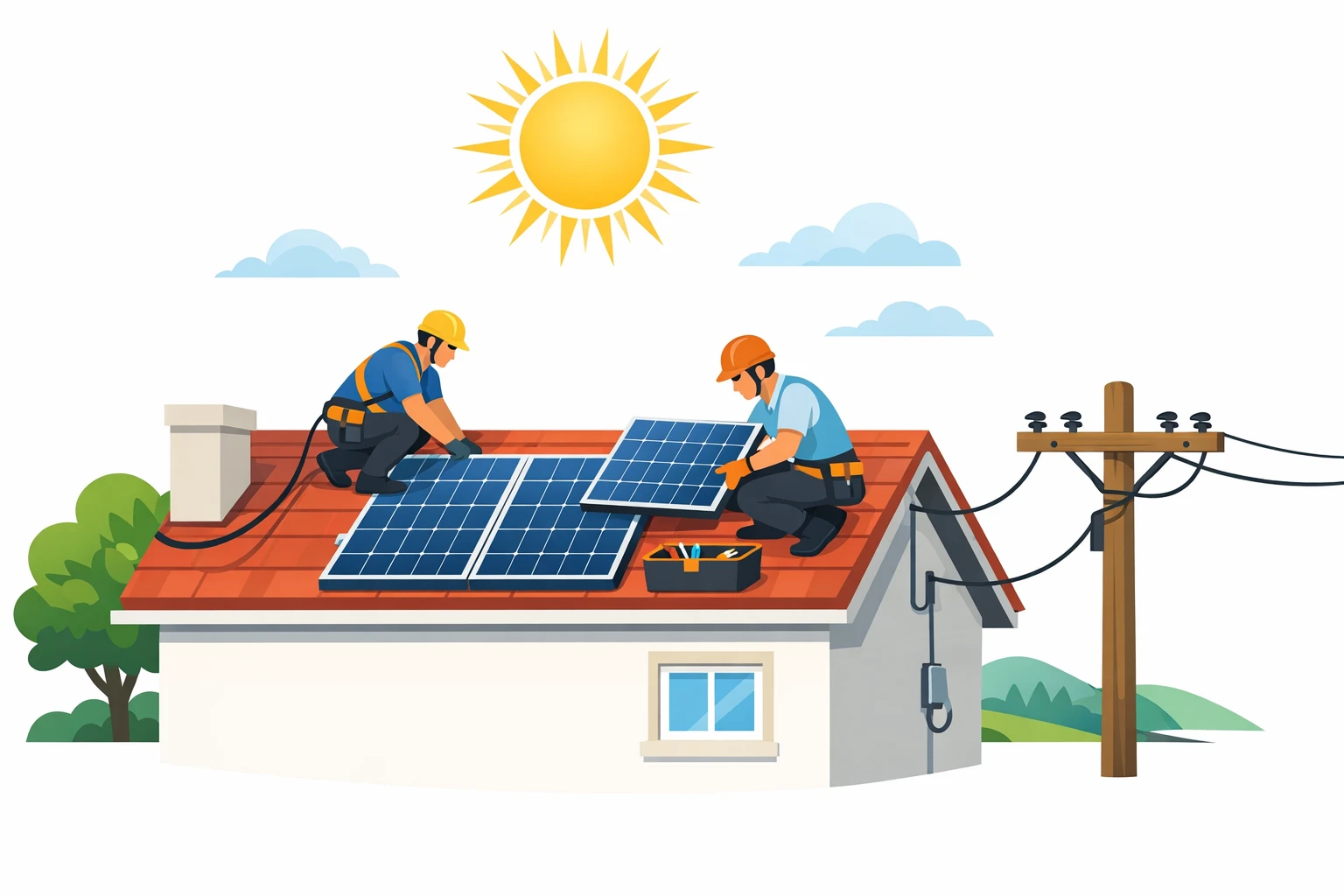
Solar panel installation is the process of setting up solar panels, devices that convert sunlight into electricity, typically on roofs of buildings or other sun-exposed sites. It's a critical part of the overall solar power system, enabling renewable energy generation for homes or businesses.
The installation process involves a series of steps. It often starts with a site assessment, where a professional installer checks the location's viability for solar energy harvesting. Following a positive assessment, the system design phase commences, taking into account factors such as roof geometry, sun exposure, and energy consumption needs.
Next is the installation phase, where mounting structures are fixed onto the roof, solar panels are secured onto these structures, and electrical wiring is set up. These solar panels are then connected to an inverter, facilitating conversion of the sun's rays beamed on the panels into usable electrical energy. The final step involves activation and testing of the system to ensure optimal functionality.
In many cases, the professional or company handling the solar panel installation also provides post-installation support and maintenance services. This can include dealing with any hardware or system issues that emerge during use, performing routine checks and panel cleaning, to ensure continued peak performance of the solar energy system.
Key Components of Solar Panel Installation
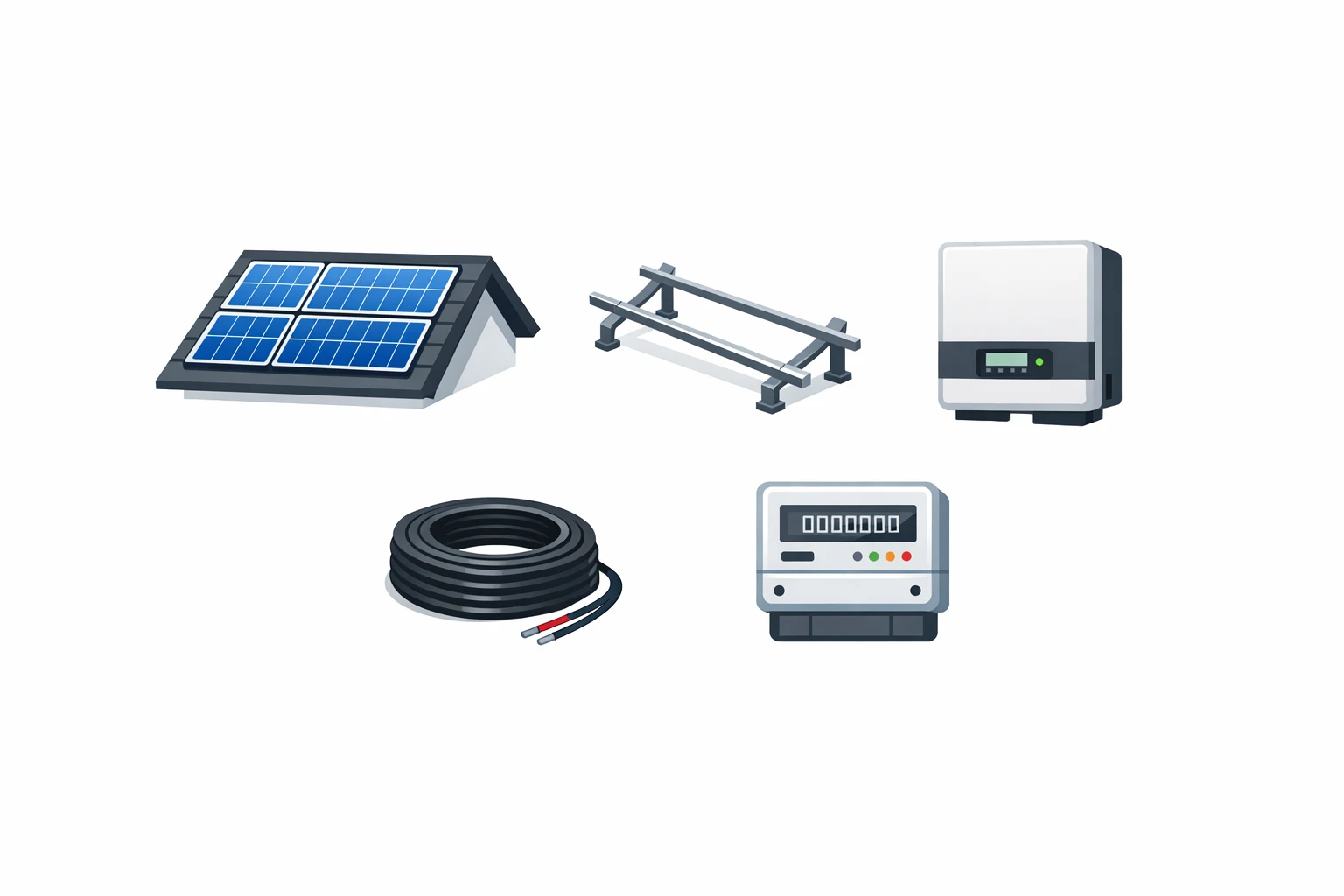
Several elements work together in a solar panel installation to convert sunlight into usable electricity:
Solar Panels: These devices capture sunlight with their photovoltaic cells and convert it into electrical current.
Mounting Equipment: Used to securely attach solar panels to the roof or ground. They need to be resilient and capable of withstanding weathering and load.
Inverter: This gadget is crucial in transforming the solar-generated direct current (DC) into alternating current (AC) that powers most home appliances and systems.
Electrical Wiring: Cables and connectors are used for transmitting the electricity generated across the solar energy system.
Metering Device: Used to measure how much electricity is produced and consumed, vital for monitoring performance and may be required for any power feed into the grid.
Types of Solar Panel Installation
Several types of solar panel installations suit varying needs, depending on the property type, geography, and specific energy requirements:
Roof-mount | Most common for residential buildings | Solar panels mounted directly on the rooftops.
Ground-mount | Suitable for large-scale energy production or homes with inadequate roof space | Solar panels are erected on grounded racking structures.
Carport solar systems | Utilize car parking space | Canopies of solar panels built over car parking slots.
Integrated solar roofing | Offers aesthetic integration | Solar panels built into the roofing material, providing a sleeker look.
Bifacial solar panels | Potentially higher energy yield | Panels that can draw sunlight from both sides, increasing energy yield.
Depending on your location and energy needs, one type of solar panel installation might be more suitable than others. It's best to consult with a solar installation professional to assess which option would provide the greatest efficiency and cost-effectiveness.
Benefits of Solar Panel Installation
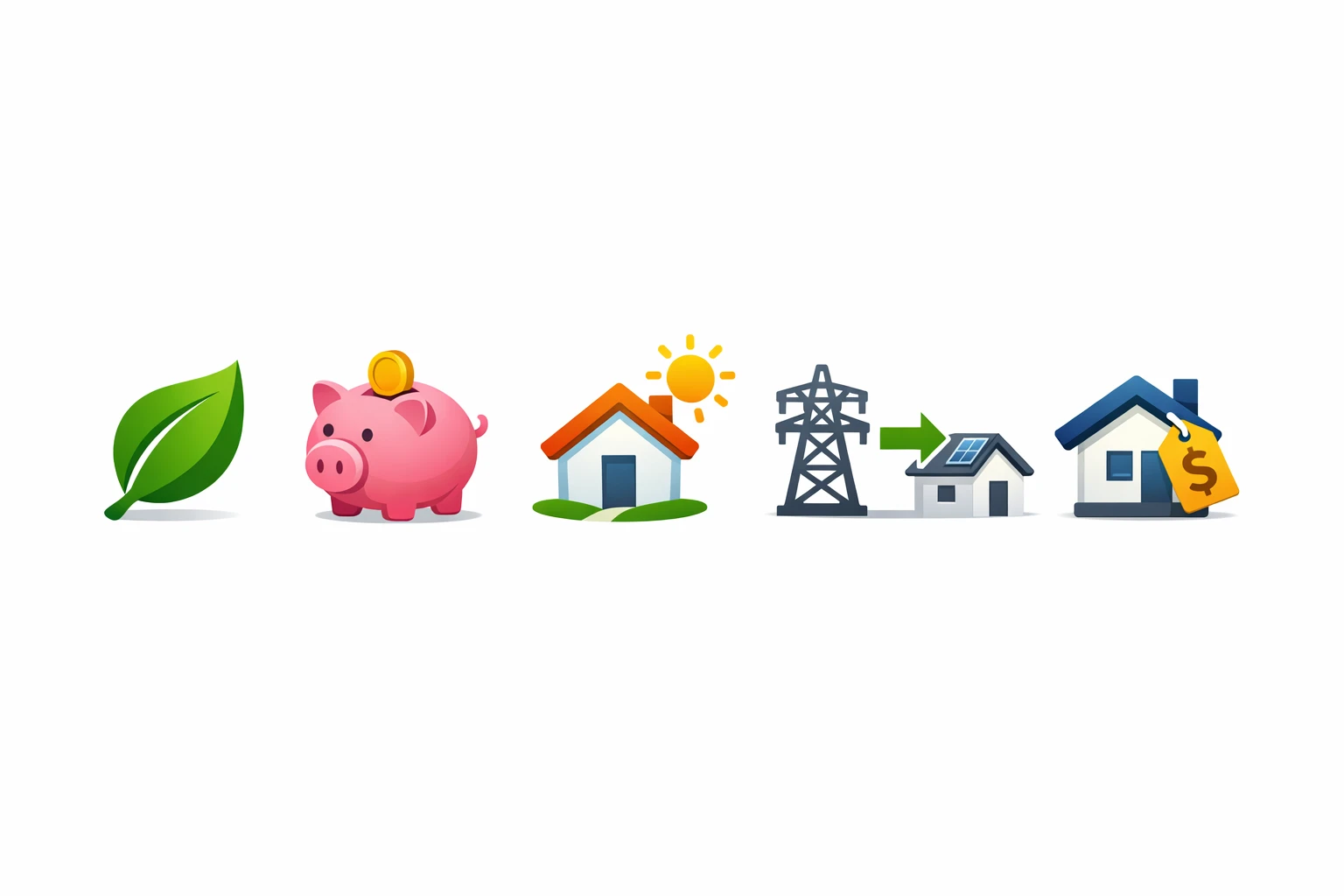
Investing in solar panel installation provides numerous benefits:
Clean Energy | Solar panels produce energy from sunlight, a renewable resource, and thus help reduce carbon emissions.
Cost Savings | Over time, solar panels often lower energy bills and could offer a strong return on investment.
Energy Independence | With sufficient solar panels, a home or business can generate its electric power, lessening reliance on the traditional power grid.
Potential Grid Feed-in | Excess energy generated can often be fed back into the grid, potentially earning credits on power bills.
Increases Property Value | Homes equipped with solar panels tend to have higher resale values.
While the initial costs of solar panel systems can be significant, the long-term savings and environmental benefits often make it a worthwhile investment.
Use Cases or Applications
Solar panel installations are widespread, especially in sunny regions like NSW, and can be applied to various scenarios:
Residential Homes: Many homeowners opt for solar panels to save on energy bills and improve sustainability.
Rural Properties: Solar panels can provide efficient energy solutions for remote farming or rural residences where grid access is limited or costly.
Business Premises: Companies can install solar panels to decrease operational costs, show commitment to sustainability, and even generate extra income through feed-in tariffs.
Public Buildings: Government entities like schools, libraries or recreational facilities can leverage solar panels for cost-effectiveness and education about renewable energy.
Utility-Scale Installations: Large solar farms can generate megawatts of power, contributing to the power grid and supporting the wider community.
Considerations Before Adoption
Before proceeding with solar panel installation, you should consider several factors:
- Does your region receive sufficient sunlight?
- Is your roof suitable for installation, both structurally and in terms of orientation?
- Has a professional conducted a comprehensive site evaluation?
- Have you thoroughly researched different panel types and installation options?
- Do you understand the cost and potential savings, including possible government incentives?
- Have you chosen a reliable installer with necessary certifications and positive reviews?
- Have you considered possible future maintenance needs?
- Do you fully understand the agreement with the installation company, including warranty terms?
It's crucial to make an informed decision, supported by appropriate professional advice.
Common Misconceptions
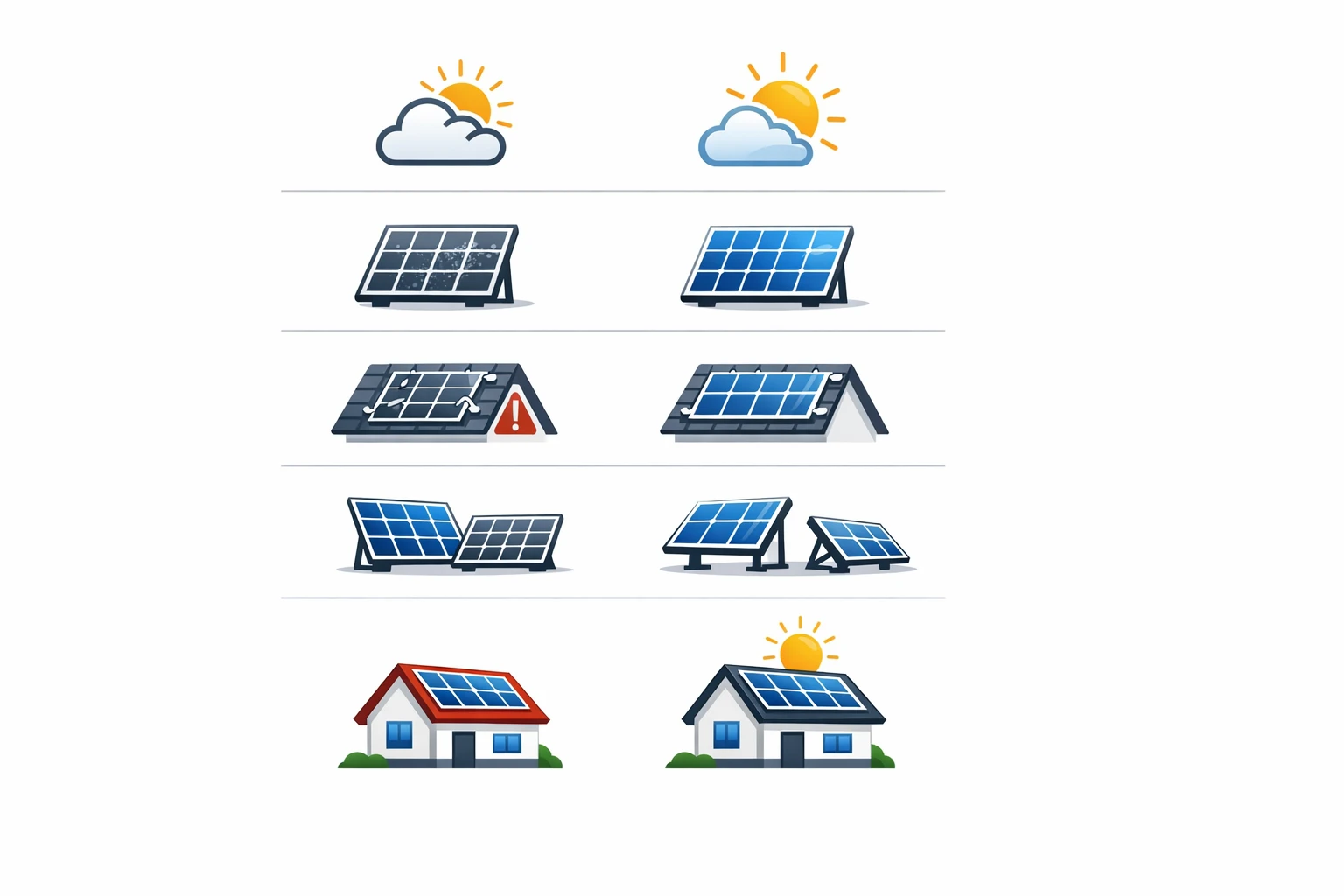
Myth: Solar panels do not work in cloudy weather → Reality: Although their efficiency may be reduced, solar panels can still generate electricity from diffuse light on cloudy days.
Myth: Solar panels require constant maintenance → Reality: Solar panels generally require little maintenance, although periodic cleaning and checks for damage can help ensure optimal performance.
Myth: Solar panels will cause roof damage → Reality: When properly installed by professionals, solar panels do not harm the roof and may even help protect against elements.
Myth: Solar panels need to face north → Reality: In the southern hemisphere, north-facing panels can maximise solar exposure, but east or west-facing panels can still be effective.
Myth: Solar power cannot completely replace traditional power sources → Reality: While the amount of power generated depends on several factors, a correctly sized and optimised system can meet most or all of a property's electricity needs.
Future of Solar Panel Installation
As the world continues to seek sustainable energy solutions, the future of solar panel installation looks promising. Innovations are constantly emerging, aiming to improve the performance, affordability, and accessibility of solar power systems.
Developments include higher-efficiency solar cells, lighter and more adaptable materials for easier installation, and integration with smart home technology for finer control over energy usage. In many places, including NSW, Australia, government support for renewable energy options is also growing.
While the exact trajectory can't be predicted, it's clear that solar panel installations will continue to play an integral role in energy sustainability. It's certainly a space to watch, whether you're a homeowner considering solar power or a professional in the industry.
Related Concepts and Comparisons
Understanding solar panel installation also involves learning about related topics and how solar compares to other energy systems:
Solar vs. Wind | Both are renewable energy sources, but solar panels generally take up less space and can be installed on rooftops, making them more suitable for urban settings.
Solar vs. Gas Generators | Solar panels, unlike gas generators, produce no noise and require less maintenance. However, gas generators can provide power in any weather while solar production is sunlight dependent.
Solar vs. Traditional Grid Power | Solar energy can offer independence from grid fluctuations and costs, but initial installation cost may be higher. However, solar can lead to significant energy cost savings in the long term.
Solar Batteries | Used for storing excess solar energy for use when the sun isn't shining. Adding a battery to your solar system increases costs but can maximize your system's usefulness.
Solar Incentives | Many governments, including in Australia, provide various incentives and rebates to promote solar energy use. These can significantly reduce the cost of solar panel systems.
Conclusion
Entering the world of solar panel installation may seem intimidating, but taking a step towards renewable energy can bring substantial benefits in the long term. Armed with this comprehensive guide, you're now equipped to make better-informed decisions regarding solar panel installation in your Sydney residence. Consider seeking advice from certified professionals to make the transition smoother and ensure that all your specific needs and conditions are addressed.
Common questions
- How long does solar panel installation take?
- Installation time can vary based on the complexity of the system and the installer's schedule. Usually, it can take a few days to a week.
- Are all roofs suitable for solar panel installation?
- No, certain factors such as roof angle, material, and structural integrity can impact its suitability. A professional assessment is necessary.
- Can I install solar panels myself?
- While it's technically possible, professional installation is generally recommended due to the complexity, potential risks, and the need for electrical connections.
- What is the lifespan of solar panels?
- Most solar panels can last 25-30 years or more, but their power output may decrease slightly over time.
- What happens if my solar panels get damaged?
- Some damages might be covered under warranty, depending on the terms. It's best to contact your installer or the panel manufacturer in such cases.
- Do solar panels work during a power outage?
- Unless your system includes battery storage or a specific inverter allowing for isolated operation, solar panels typically shut off during power outages for safety reasons.