
What Are Tilers?
Discover the role, types, benefits, application and future of tilers in the construction industry today.
Looking for one? See our ranking of 33 tilers in Sydney
How Tilers Work
Tilers are skilled tradespeople in the construction industry who specialize in the installation of tiles. The process typically involves preparing the surface, applying adhesive, laying tiles, and finally applying grout. Particularly in New South Wales (NSW), Australia, tilers are considered an essential part of both commercial and residential property developments.
In the first step, tilers prepare the surface that they will work on. This may involve removing old tiles or flooring, cleaning the area, and leveling the surface. Next, adhesive is mixed and applied to the surface. The tiles are then carefully laid onto the adhesive. Tilers use particular tools, such as tile cutters, to trim the tiles to fit perfectly around corners or fixtures.
Finally, grout is applied to the spaces in between the tiles, effectively sealing them. Grouting not only enhances the aesthetic appeal of the tiles but also makes them water-resistant, significantly enhancing their longevity. Depending on the level of complexity, a tiling job could take from a few hours to several days to complete.
Key Components of Tilers
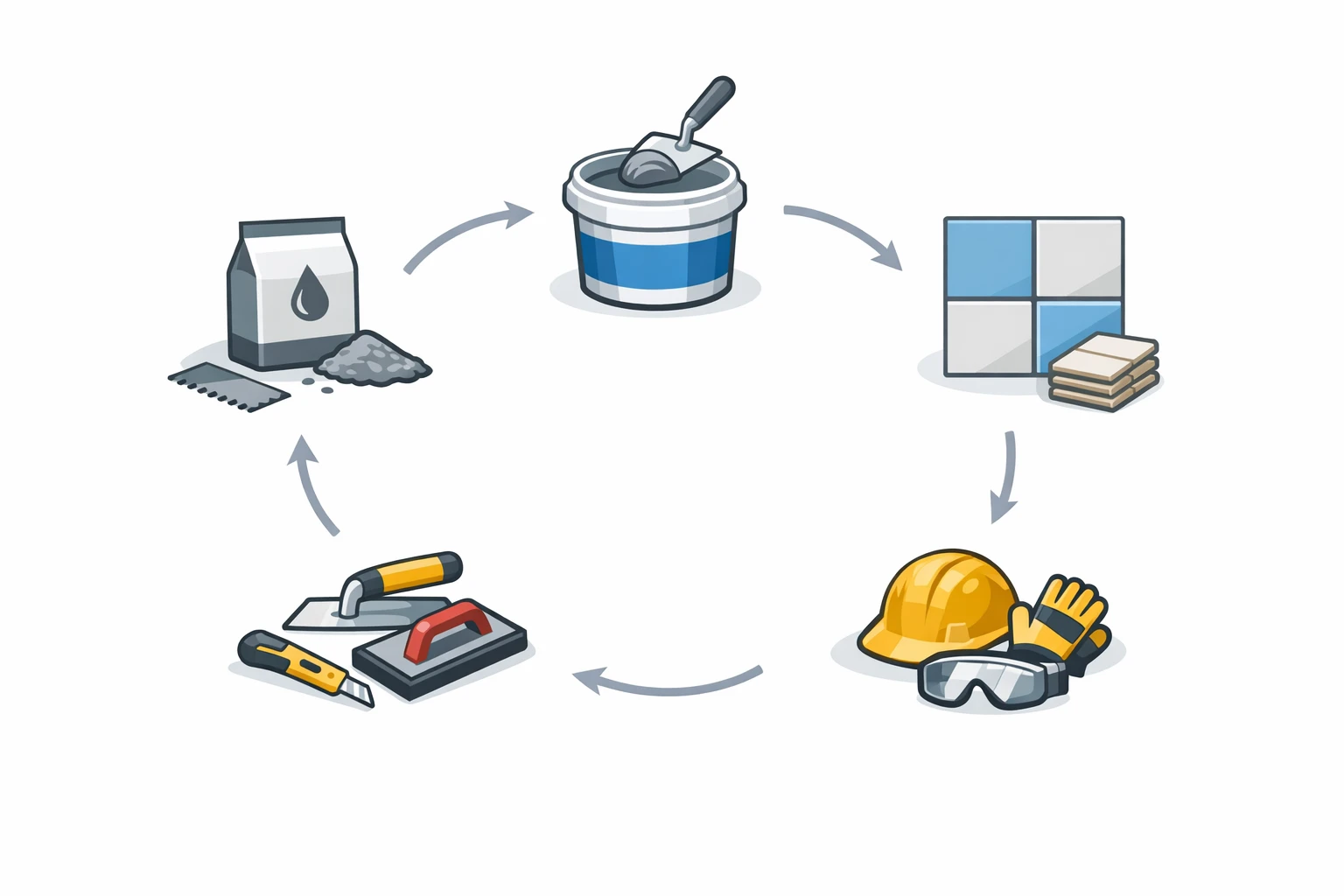
Grout: This paste fills the spaces between tiles, making them resistant to water and helping to hold them in place.
Adhesive: Also known as tile glue, this product binds the tiles to the surface.
Tiles: Tiles are the primary material tilers work with. They come in many types, including ceramic, porcelain, and stone.
Tools: Tilers use a variety of tools, including tile cutters, trowels, and leveling devices.
Protective Gear: For safety, tilers often wear knee pads, gloves, and safety glasses.
Types of Tilers
Ceramic Tiler: Specializes in installing ceramic tiles, which are commonly used in kitchens and bathrooms.
Porcelain Tiler: These tilers mainly work with porcelain tiles, which are known for their durability and water resistance.
Stone Tiler: Specializes in laying natural stone tiles, such as granite, marble, or slate.
Mosaic Tiler: Specializes in creating intricate designs and patterns with small tiles, often in artistic or heritage settings.
Commercial Tiler: Works on large-scale, commercial projects, such as office buildings, shopping centers, and museums.
Residential Tiler: Specializes in tiling for residential properties, such as homes and apartments.
Type | Best for | Complexity Ceramic | Kitchens, Bathrooms | Moderate Porcelain | High-Traffic Areas | High Stone | Luxurious Look | High Mosaic | Artistic Settings | Very High Commercial | Large Scale Projects | Very High Residential | Homes, Apartments | Low to High
Benefits of Tilers
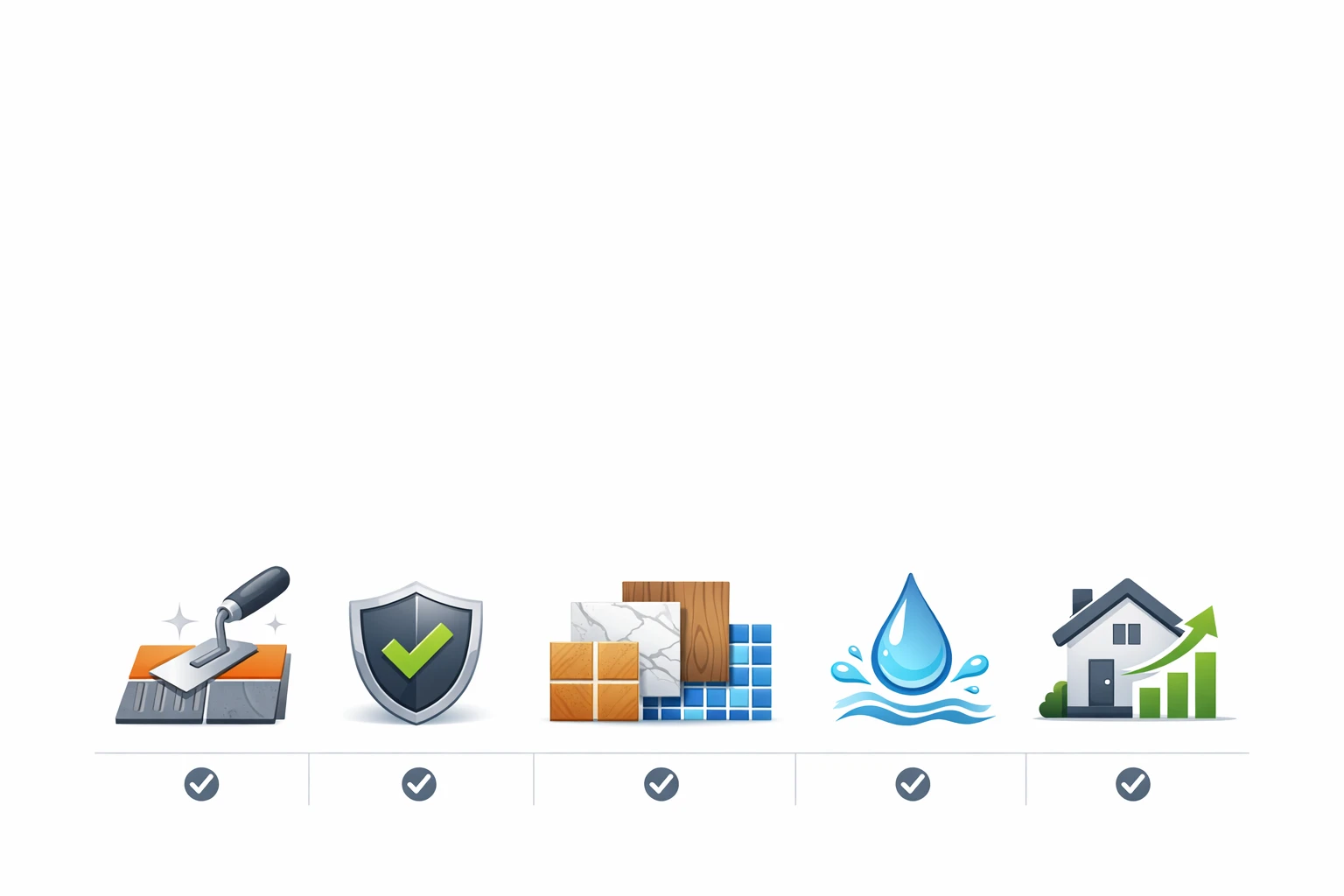
Professional Finish: Professionals ensure your tiles are laid evenly and neatly, increasing the overall aesthetic of your property.
Durability: Correctly installed tiles can last for many years, providing excellent value for money.
Variety of Options: Tilers work with a wide range of tile materials, colours, and patterns, giving you a multitude of design choices.
Water Resistance: Tilers apply grout between tiles, making them resistant to water and perfect for use in areas like bathrooms and kitchens.
Improves Property Value: High-quality tile work can increase your property's resale value.
Benefit | Description Professional Finish | Ensures tiles are neatly laid Durability | Tiles last for many years Variety of Options | Range of tile materials and designs Water Resistance | Grout makes tiles resistant to water Increase Property Value | High-quality work can increase resale value
Use Cases or Applications
Bathroom Renovations: Tilers are commonly hired when renovating bathrooms, to install new flooring or wall tiles.
Kitchen Makeovers: Tile backsplashes and floors are popular in kitchen renovations.
Outdoor Areas: Tilers may be enlisted to lay outdoor patio or pool tiles.
Artistic Installations: For intricate mosaic designs in public art installations or private residences.
Commercial Properties: In NSW, commercial properties like shopping centres or office buildings often employ tilers for large-scale projects.
New Home Construction: Tilers work on newly built homes, providing tiling for various rooms and exterior spaces.
Maintenance: Over time, grout can discolour or crack. In these cases, tilers are hired to perform maintenance.
Considerations Before Adoption
The selection of a tiler should not be taken lightly. Here are some crucial questions for you to consider:
- Does the tiler have good reviews and a strong reputation? - Is the tiler licensed and insured? - Does the tiler's schedule align with your project timeline? - Has the tiler worked with your specific type of tiles before? - Are the costs upfront and transparent, and do they fit within your budget? - Can the tiler provide references or examples of past work? - Is the tiler familiar with local building codes and regulations in NSW?
Remember, hiring a tiler is an investment in your property. Take the time to do your research to ensure you make the best choice for your needs.
Common Misconceptions
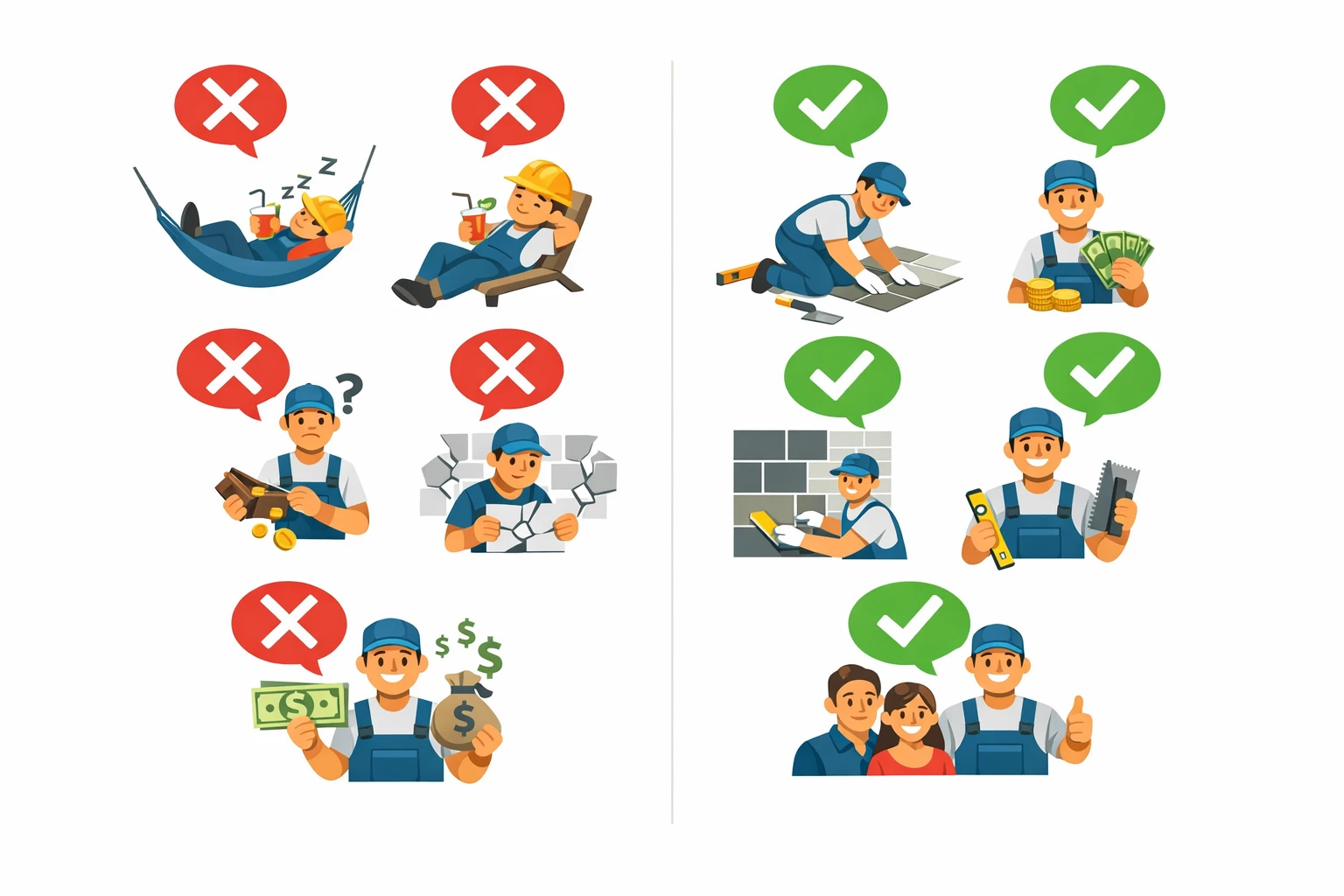
Myth: All tilers can do the same kind of work. → Reality: Tilers specialize in different types of tile and project scales, it's vital to find one that matches your specific needs.
Myth: It's better to do tiling yourself to save money. → Reality: While DIY may seem cheaper, hiring a professional tiler ensures a quality, durable result that can ultimately save money in the long term.
Myth: More expensive tiles always mean better quality. → Reality: The cost of tiles does not always reflect their quality or suitability for a specific area.
Myth: All tiles can be used in any room. → Reality: Certain types of tiles are better suited for specific rooms or applications, based on factors like waterproofing and durability.
Myth: You don't need a licensed tiler for small jobs. → Reality: Even for small jobs, a licensed tiler can ensure a high-quality, durable installation.
Future of Tilers
The future of tilers in NSW and across Australia is bright. As the construction industry continues to grow, the demand for skilled tilers will remain strong. Innovative trends such as 3D tile designs and sustainably-made tiles are creating new opportunities for tilers. The rise in DIY home renovations may also increase the need for professional tilers, as homeowners seek expert assistance for more complex tasks. Technology is also making an impact, with tools and materials constantly improving to make tiling more efficient and precise. All in all, the role of tiling professionals in the construction industry remains at the heart of property development and refurbishments.
Related Concepts and Comparisons
Tilers vs. Flooring Installers: While tilers specialize in the installation of tiles, flooring installers handle a broader range of materials such as hardwood, laminate, or carpet. Depending on your project, you might need either or both.
Tilers vs. Bathroom Renovators: Bathroom renovators take care of the full scope of renovating a bathroom, including planning, demolition, plumbing, and installing fixtures whereas tilers focus on laying tiles.
Tilers vs. Carpenters: Carpenters build and repair building frameworks and structures made from wood and other materials, whereas tilers work specifically with tile.
Concept | Best for | Limitation Tilers | Tile Installation | Specific to Tiles Flooring Installers | Various Floor Materials | Broader, less specialization Bathroom Renovators | Full Bathroom Renovation | More expensive Carpenters | Wood and structure work | Not for tiles
Conclusion
Tilers play an integral role in construction and home renovation projects, providing practical and aesthetic enhancements to a property. From choosing the right type of tiler and understanding the role they play, to debunking common misconceptions, it's important to fully grasp what tilers do before hiring one for your projects in NSW or other parts of Australia. As you consider enhancing your property with professionally installed tiles, remember the long-term benefits of durability, water resistance, and potential property value increase.
Common questions
- What services do tilers offer?
- Tilers offer a range of services, including tile installation for floors, walls, and outdoor areas, tile maintenance and repair, and grout sealing.
- How long does it take to tile a room?
- The time required to tile a room depends on the room size, tile type, and pattern complexity. It can take anywhere from a few hours to several days.
- What are popular types of tiles?
- Some popular types of tiles include ceramic, porcelain, stone, and mosaic. Each has its own distinct characteristics and suitable applications.
- Can tilers also do waterproofing?
- Many tilers in NSW can perform waterproofing tasks, as it's often required in areas like bathrooms and kitchens. However, it's important to verify this service with your professional.
- How do I maintain my tiled surfaces?
- Regular cleaning with non-abrasive, non-acidic products can help maintain your tiles. Sealants may also need to be reapplied occasionally.
- What's the difference between a tiler and a flooring installer?
- The main difference is their material specializations. While tilers work specifically with tiles, flooring installers handle a wider range of materials, like wood, laminate, or carpet.