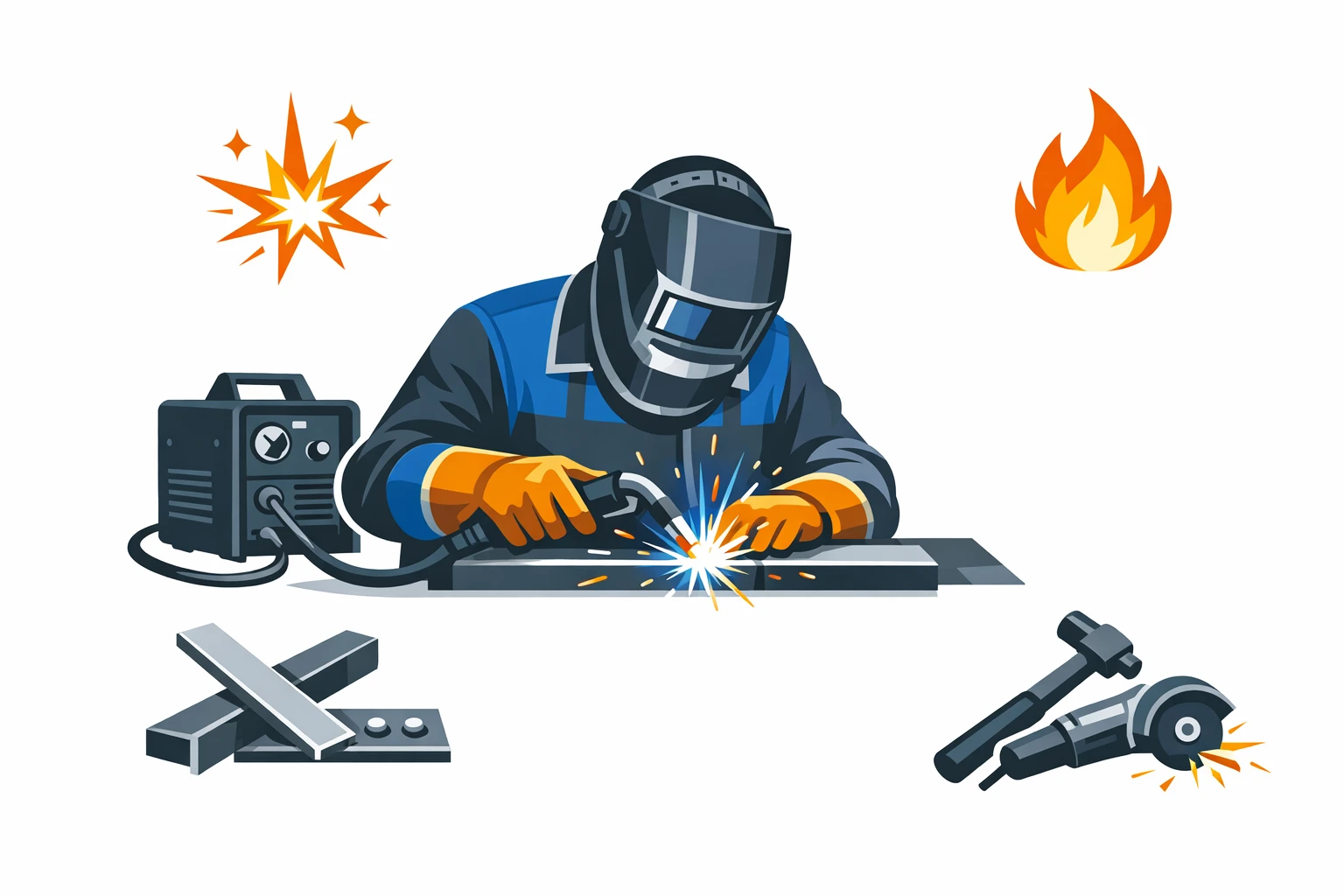
What are Welders?
Understand what welders are, their components, types, benefits, use cases, misconceptions, and more. Get helpful insights to make informed decisions.
Looking for one? See our ranking of 20 welders in Sydney
How Welders Work
Welders are skilled tradespeople who specialise in fusing materials together, typically metals. Although welding has been around in different forms for thousands of years, contemporary welding processes involve the use of heat and/or pressure to meld two pieces into one strong joint.
The first stage in the welding process is the creation of an electricity-conducting circuit between the welding machine and the metal. Once the welder initiates the welding process, an electrical arc forms, ionising the protective gas and forming a conductive plasma. The heat generated by the electrical arc melts the metal workpieces and the filler material, forming a molten pool. As this pool cools, the metals harden together, resulting in a secure joint.
While there are numerous welding techniques, all have the common aim of creating a robust and durable bond between materials. The technique chosen often depends on the specific task, the materials involved, and the welder's expertise. The wide range of welding techniques, equipment, and related safety protocols underscores the importance of professional training and experience in this field.
Key Components of Welders
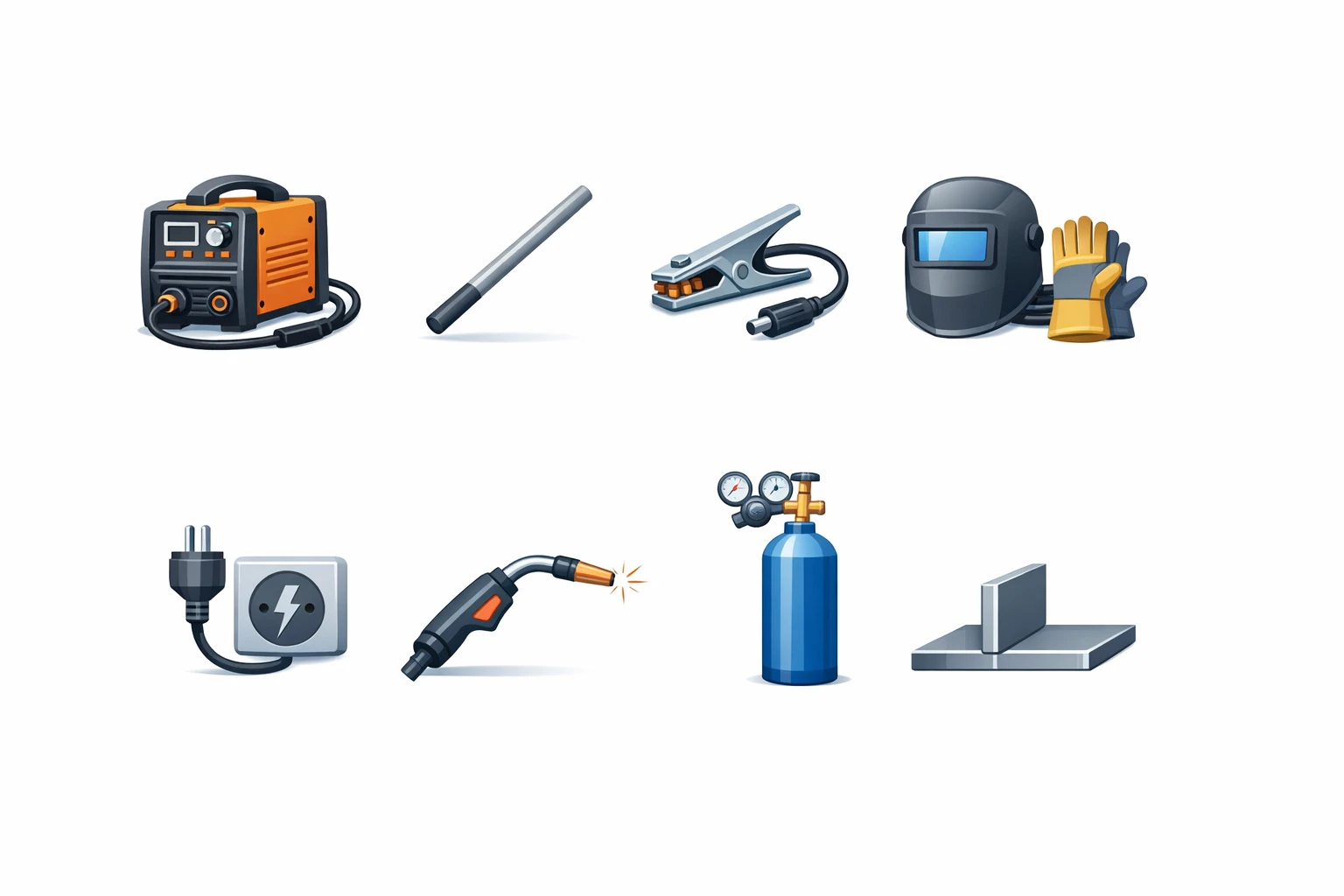
A basic welding setup consists of a Welding Machine which generates an electrical current to produce heat for melting materials. The Electrode or Welding Rod conducts the electric current to the weld zone and often melts to supply filler metal. The Ground Clamp completes the circuit. Personal Protective Gear, such as a welding helmet and gloves, protects the welder from sparks, intense light, and heat.
The type of Power Supply depends wholly on the method of welding. Some types of welding require a constant current power supply, while others need a constant voltage. The Welding Torch is used to direct the heat and filler material to the work area. Shielding Gas protects the weld from atmospheric contamination. Lastly, there's the workpiece itself, the Material to be Welded, which is typically metal but could also be plastic.
Types of Welders
There are various types of welding techniques, with the most common being Stick Welding (SMAW), TIG Welding (GTAW), MIG Welding (GMAW), and Flux-Cored Welding (FCAW).
Type | Overview | Difficulty | Material Suitability Stick Welding (SMAW) | Uses a consumable electrode coated in flux to lay the weld. | High | Works on most metals and joints. TIG Welding (GTAW) | Uses a non-consumable tungsten electrode to create the weld under a shielding gas. | High | Ideal for thin materials. MIG Welding (GMAW) | Uses a wire feeding gun to lay the weld under a shielding gas. | Low | Best for thin to medium thickness metals. Flux-Cored Welding (FCAW) | Similar to MIG, but uses a special tubular wire filled with flux. | Medium | Works best in outdoor, windy conditions and on dirty materials.
Benefits of Welders
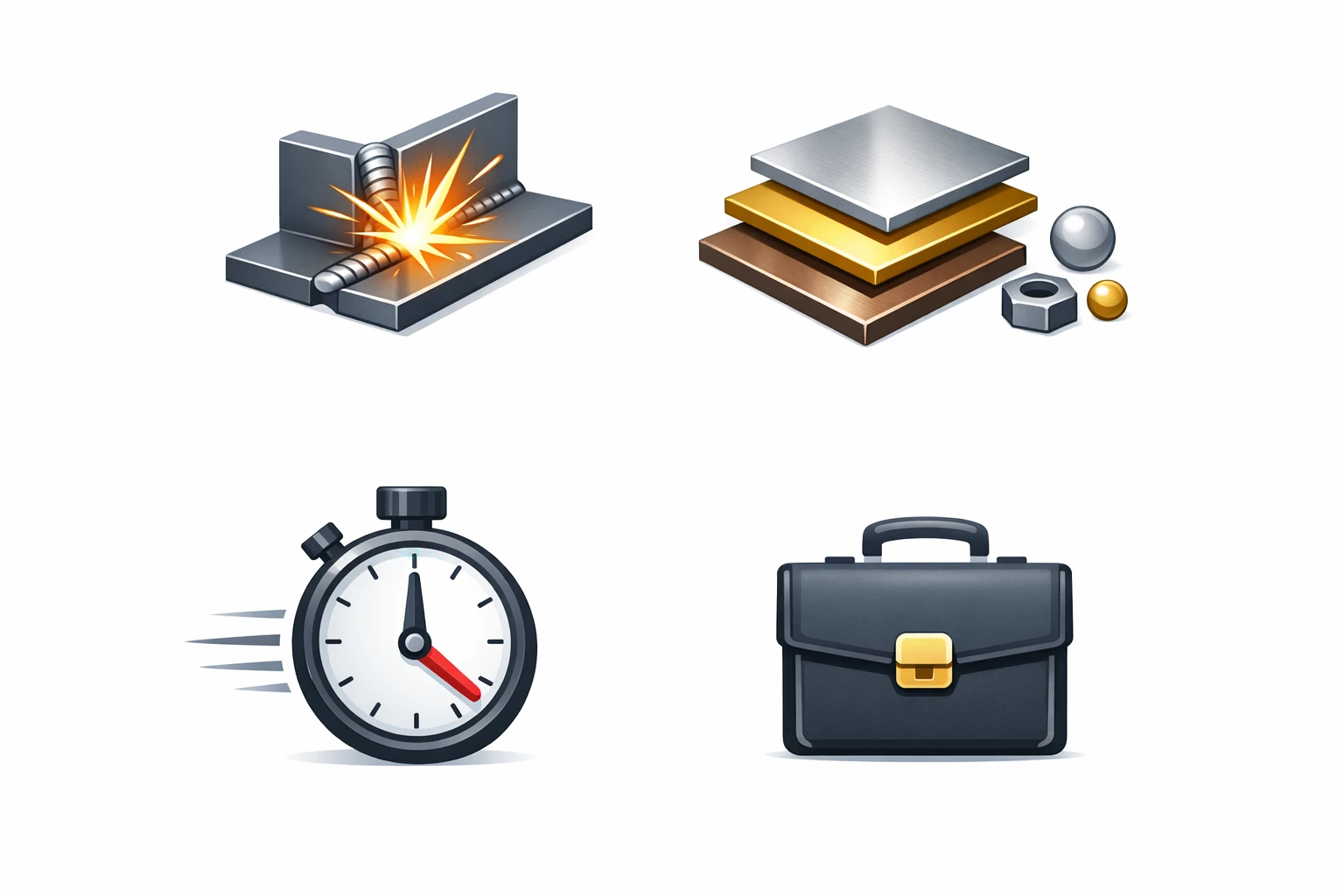
Benefit | Description Durability | Welding creates joints that are as strong as or stronger than the base materials. Versatility | Not limited to a specific material, and can weld together a variety of materials including steel, iron, aluminium, and more. Efficiency | With the right equipment and skills, welding can be more efficient and cost-effective than other joining methods. Job Opportunities | Skilled welders are sought after in various industries including construction, automotive, shipbuilding, aeronautics, etc.
In addition to these benefits, welding holds an integral role in numerous industries and plays a crucial part in the production of goods and infrastructure. The demand for professional welders in NSW alone highlights the significance of this profession within the manufacturing and construction sectors.
Use Cases or Applications
Welders are essential in sectors such as Construction, where they fabricate and repair structures like buildings, bridges, and highways. In the Automotive Industry, they assemble and repair vehicles. In Shipbuilding, they are key in constructing and maintaining ships, submarines, and other types of marine vessels. They also play a crucial role in the Aeronautics Industry, constructing and repairing aircraft and spacecraft. In the Manufacturing Industry, welders fabricate products ranging from kitchen appliances to gym equipment. Welders are also involved in Infrastructure Development including road sign installations, repair of public facilities, and more. Finally, several Artisan and Sculptors use welding techniques in crafting metal art pieces.
Considerations Before Adoption
Before deciding to learn to weld or to hire a welder, consider these important aspects:
- What is the specific application or job at hand? - What materials will be welded? - Which welding process is most appropriate for the job and materials?
Picking the right welder for the job is crucial as a mismatch can lead to suboptimal results or even safety concerns. For this reason, it's often best to consult with a professional welder or a qualified provider.
Common Misconceptions
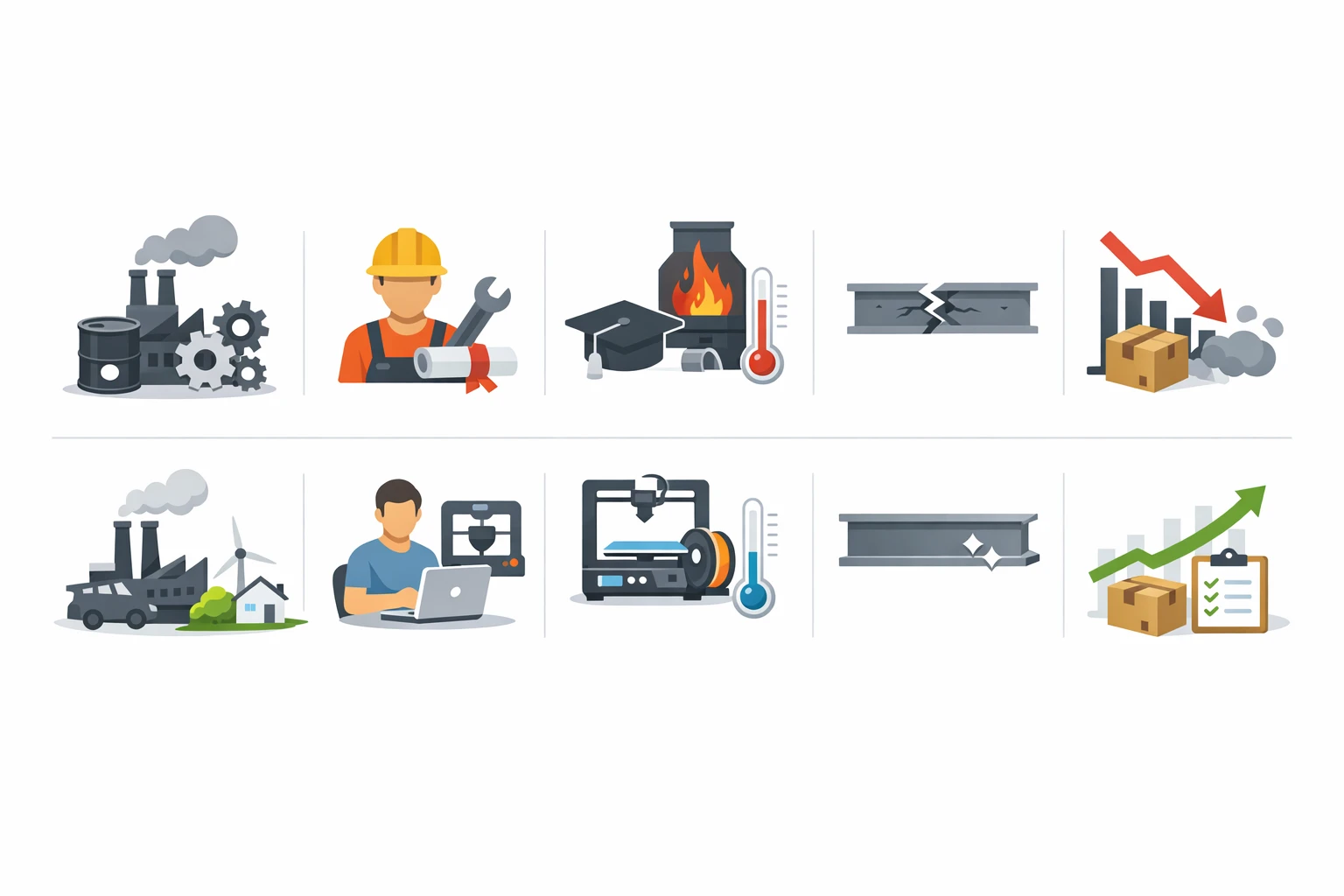
Myth: Welding is a technique only used in manufacturing and industrial applications → Reality: Welding is used in numerous fields, from automotive repair and construction to art and design.
Myth: Anyone can weld → Reality: Welding is a skilled trade that requires training, knowledge of safety practices, and a steady hand.
Myth: All welding methods involve extreme heat → Reality: While heat is often used, certain methods use friction, pressure, or a combination of both.
Myth: Welding weakens the material → Reality: If done correctly, welding can result in joints as strong as or stronger than the original material.
Myth: Welding is a declining trade → Reality: Welding remains an in-demand skill in many industries.
Future of Welders
The field of welding is not static but continues to evolve with technological advancements. Emerging trends include automation where robots are used to increase productivity and consistent quality, particularly in manufacturing industries. However, skilled human welders remain crucial for tasks that require high levels of precision or for projects that aren't suitable for automation.
In addition, advances in welding technology are making the process more efficient, cost-effective, and environmentally friendly. There is ongoing research into new types of power supplies, filler materials, and techniques that can potentially revolutionalise the world of welding.
Despite advanced technologies, the need for a skilled workforce to manage, oversee, and execute welding tasks remains high. The job prospects for trained welders in Sydney, NSW, and across Australia suggest a buoyant future in this profession.
Conclusion
In summary, welding is a critical skill in numerous industries with various applications from construction and manufacturing to art and design. While automation and new technologies are advancing the field, the demand for skilled human welders remains high. Indeed, the resilient demand for welders in Sydney and broader NSW underscores the pivotal role this profession plays in the local economy and infrastructure development. However, it is vital to understand that welding requires professional training and adherence to safety protocols, reflecting its integral role across different industries.
Common questions
- Is welding a good career in Sydney, NSW?
- Yes, there is a consistent demand for skilled welders in Sydney and throughout NSW, especially in industries like construction, manufacturing, and shipbuilding.
- Can I teach myself to weld?
- While you can learn welding basics on your own, becoming a professional welder typically requires formal training and certification due to the level of skill and safety considerations involved.
- What type of welding is most commonly used?
- Stick welding is the most commonly used process, especially for amateur welders, due to its accessibility, affordability, and versatility.
- Is welding harmful to health?
- Welding can be harmful if proper safety measures aren't adhered to. Risks include exposure to potentially harmful gases and fine particles, injuries from sparks and heat, and damage to eyes from intense light.
- Are there different types of welders?
- Yes, there are many types of welders, including MIG welders, TIG welders, Stick welders, and Flux-Cored welders. Each type has its strengths and is best suited for particular materials and applications.
- What are the essential components of a welding setup?
- A basic welding setup includes a welding machine, an electrode or welding rod, a ground clamp, power supply, a welding torch, a shielding gas, and personal protective gear.