What is Windscreen Replacement?
Learning about windscreen replacement, its components, types, benefits, use cases, and common myths from an Australian perspective. Get the facts here.
How Windscreen Replacement Works
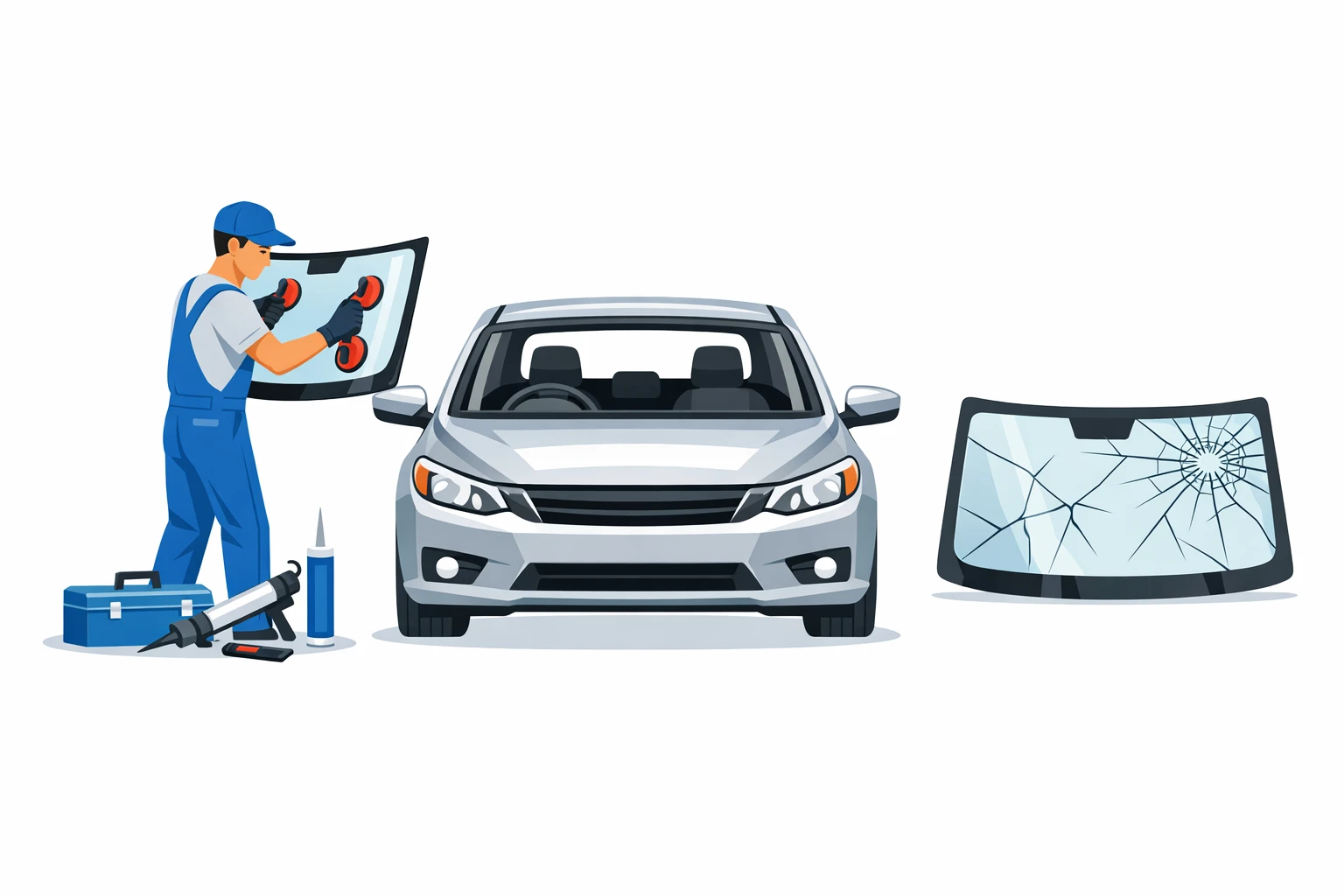
Windscreen replacement is the process of removing a damaged windscreen, also known as the windshield, from a vehicle and replacing it with a new one. This procedure is typically necessitated by significant damage that cannot be repaired, such as large cracks or severe impact damage.
To begin with, the mechanic will remove any exterior trim and the windscreen wiper assembly. Then, a specialised tool is used to cut the adhesive seal holding the old windscreen in place. Once the damaged windscreen is removed, the mechanic will clean and prepare the frame for the new windscreen.
The new windscreen is carefully installed, ensuring a secure fit within the vehicle's frame. It is affixed using a strong adhesive, which must be left to cure for an interval before it’s safe to drive the vehicle. Factors such as vehicle make, model, and the severity of the windscreen damage can influence the timeframe and cost of the process.
Key Components of Windscreen Replacement
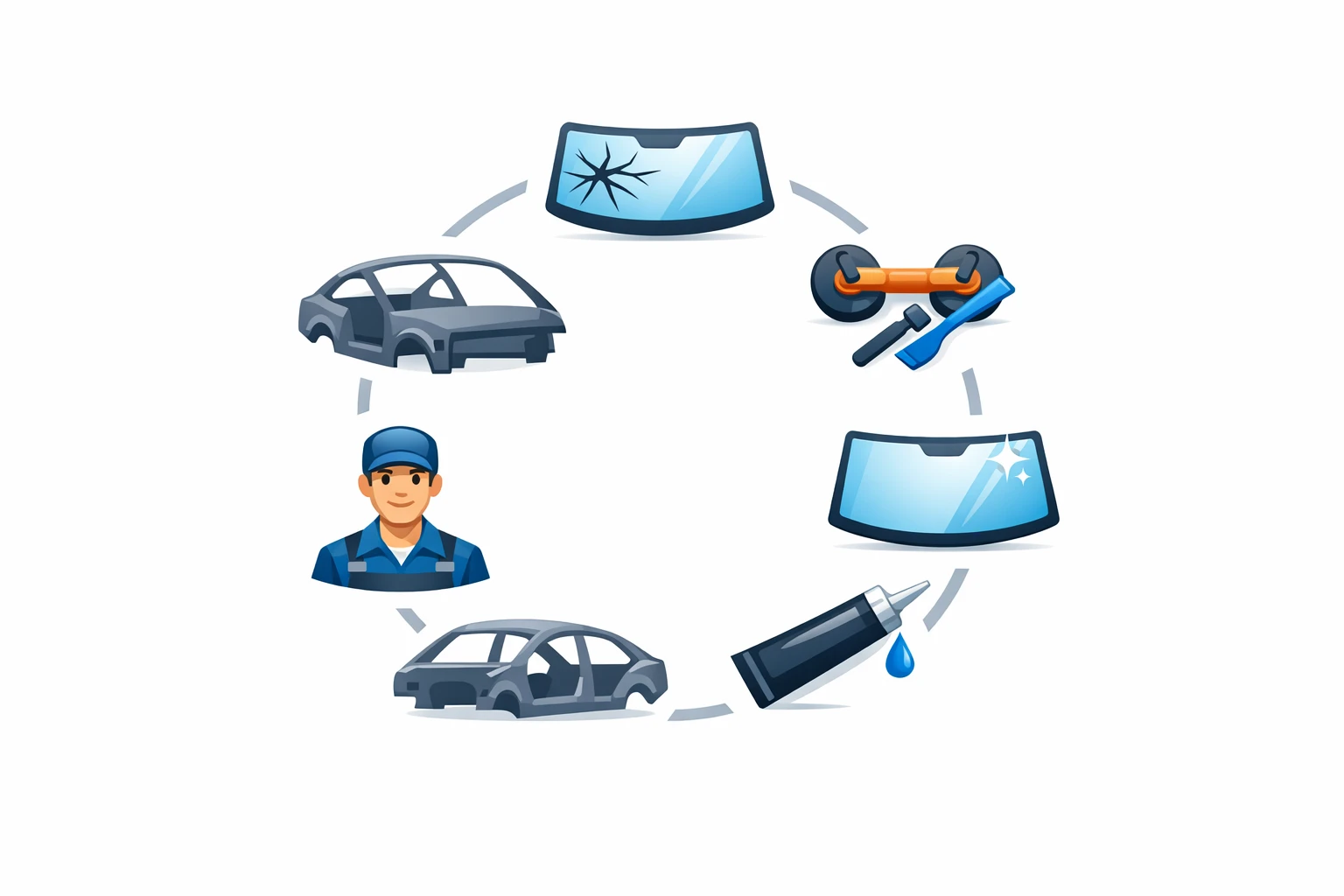
1. Damaged Windscreen: The initial part being replaced due to severe cracks or damage.
2. Removal Tools: Specialised tools used to safely remove the damaged windscreen from the vehicle's frame.
3. New Windscreen: The replacement glass that will be installed on the vehicle.
4. Adhesive: Specialised adhesive substance used to secure the new windscreen in its place.
5. Mechanic: The technician who expertly carries out the replacement process.
6. Vehicle Frame: Part of the vehicle where the windscreen is installed; it needs to be properly cleaned and prepared before installing the new windscreen.
Types of Windscreen Replacement
Type | Best for | Cost | Complexity OEM Windscreen Replacement | Vehicles still under warranty | High | Moderate Aftermarket Windscreen Replacement | Older vehicles or out-of-warranty vehicles | Lower | Moderate Heavy-Duty Equipment Windscreen Replacement | Trucks, buses, or construction vehicles | Varies | High
OEM Windscreen Replacement uses glass made by your car's original manufacturer. It's recommended for vehicles still under warranty. Aftermarket Windscreen Replacement uses glass manufactured by a different company. It could be more cost-effective. Suitable for older cars or out-of-warranty vehicles. Heavy-Duty Equipment Windscreen Replacement is about replacing large windscreens on trucks, buses, or construction vehicles. The cost and complexity vary greatly based on the vehicle type.
Benefits of Windscreen Replacement

Benefit | Explanation Enhances Visibility | Replacing a damaged windscreen helps enhance visibility while driving. Ensures Safety | A well-fitted windscreen supports the vehicle’s roof, promotes airbag deployment, and prevents ejection during collisions. Maintains Vehicle Value | A car with a flawless windscreen will have a higher resale value. Prevents Further Damage | A small crack can grow if not addressed, replacing the windscreen prevents this scenario.
Along with these benefits, a newly replaced windscreen restores the beauty of your vehicle, making it look brand new and boosting your overall driving experience.
Use Cases or Applications
1. When the vehicle is involved in a significant collision resulting in a cracked windscreen. 2. When a small chip or crack has expanded beyond the point where it can be repaired. 3. If poor previous repairs have rendered the windscreen unsafe or unstable. 4. When there is significant, vision-impairing damage directly in the driver's line of sight. 5. If an inspection indicates that the windscreen has become loose or isn't properly sealed. 6. In operations involving heavy-duty vehicles like trucks and construction equipment. 7. In Sydney and other parts of NSW, for vehicles being prepared for sale or annual inspections.
Considerations Before Adoption
Before opting for a windscreen replacement, consider the following:
- Is the damage minor and restricted to the outer layer of glass? This might be repaired without a full replacement. - Has the integrity of the windscreen compromised your safety? - Is the vehicle's warranty affected by the type of replacement used (OEM or aftermarket)? - Is the replacement service offered by a certified and experienced professional? - How long will your vehicle be out of action while the adhesive cures? - If you're in Sydney, are there nearby providers that can perform the replacement efficiently?
Requirements and coverage can vary, so it’s best to check with the service provider.
Common Misconceptions
Myth: All windscreen damage requires replacement. → Reality: Small chips or cracks may be repairable, saving time and money.
Myth: It's fine to drive immediately after windscreen replacement. → Reality: The adhesive needs time to cure. Generally, you need to wait at least a few hours before driving.
Myth: All replacement windscreens are the same. → Reality: Quality can vary. OEM windscreens often offer the best fit and performance, but approved aftermarket options can also work well.
Myth: Windscreen replacement isn't urgent. → Reality: Damaged windscreens can be dangerous. It's crucial to address even minor damage promptly to ensure safety.
Myth: Windscreen replacement will dramatically affect your vehicle's value. → Reality: While maintaining a pristine windscreen can support your vehicle's value, a professional replacement is generally seen as routine maintenance rather than a downgrade.
Future of Windscreen Replacement
The future of windscreen replacement is being shaped by advances in technology and vehicle design. Newer cars come with a variety of built-in features like rain sensors, heads-up displays, and driver-assist systems, calling for more specialised windscreens. In the near future, the process might become more complex and linked with recalibration of these systems. Moreover, advancements in the materials used for windscreens, such as self-healing glass, could decrease the need for replacement in the future. However, as cars become more complex and advanced, so will the windscreens, potentially demanding a higher level of skill and knowledge from the mechanic.
Related Concepts and Comparisons
Concept | Relation to Windscreen Replacement Windscreen Repair | Less extensive procedure, applicable only for minor damage. OEM Windscreen | Original windscreen installed by vehicle’s manufacturer, often providing superior fit and calibre. Aftermarket Windscreen | Replacement windscreen produced by a company other than the original manufacturer. Windscreen Insurance | Covers the cost of windscreen repair or replacement. Vehicle Warranty | Could affect the type of windscreen replacement used and the selection of service provider.
While replacing and repairing may seem similar, replacement is required for severe damage. While OEM and aftermarket windscreens might look identical, they can differ in fit and quality. For cost concerns, many insurance policies cover windscreen damage, but one should consult their policy. Lastly, vehicle warranties could affect selection of service provider and type of windscreen replacement used.
Conclusion
Windscreen replacement is a critical aspect of maintaining your vehicle's safety on the road. Understanding what the process involves, its benefits, and common myths can help you make informed decisions when the need arises. Whether you’re in Sydney or elsewhere in NSW, always choose a reputable service provider to ensure the safety and longevity of your vehicle’s windscreen.
Common questions
- How long does windscreen replacement take?
- The process typically takes about an hour. However, you'll also need to wait a period of time afterwards for the adhesive to cure before driving the vehicle.
- Can I drive the car immediately after the windscreen replacement?
- No, after the new windscreen is fitted, the adhesive used to hold it in place needs time to cure. This usually takes at least a few hours.
- Is there a difference between an OEM and aftermarket windscreen?
- Yes, OEM windscreens are designed by your car's manufacturer and are likely to provide a perfect fit. Aftermarket options are manufactured by other companies and can vary in quality.
- Can windscreen replacement affect my vehicle's value?
- Generally no, a professional replacement is seen as routine maintenance. However, a damaged or poorly fitted windscreen could negatively affect the vehicle's value.
- Will my insurance cover the cost of windscreen replacement?
- This can differ depending on your policy. Some insurance policies cover windscreen damage while others may require an additional specific coverage.
- Can I replace the windscreen myself?
- Windscreen replacement requires specific tools and technical knowledge to ensure safety and proper installation. It is generally not advised to attempt it on your own.