Guides · Physical Therapy
What is a Women's Physiotherapy Clinic?
Learn what a women's physiotherapy clinic is, its key components, various types, vast benefits, common use cases, and common misconceptions. Benefit from our practical checklist for considerations before visiting such a clinic.
Looking for one? See our ranking of 75 women's physiotherapy clinic in Sydney
How a Women's Physiotherapy Clinic Works
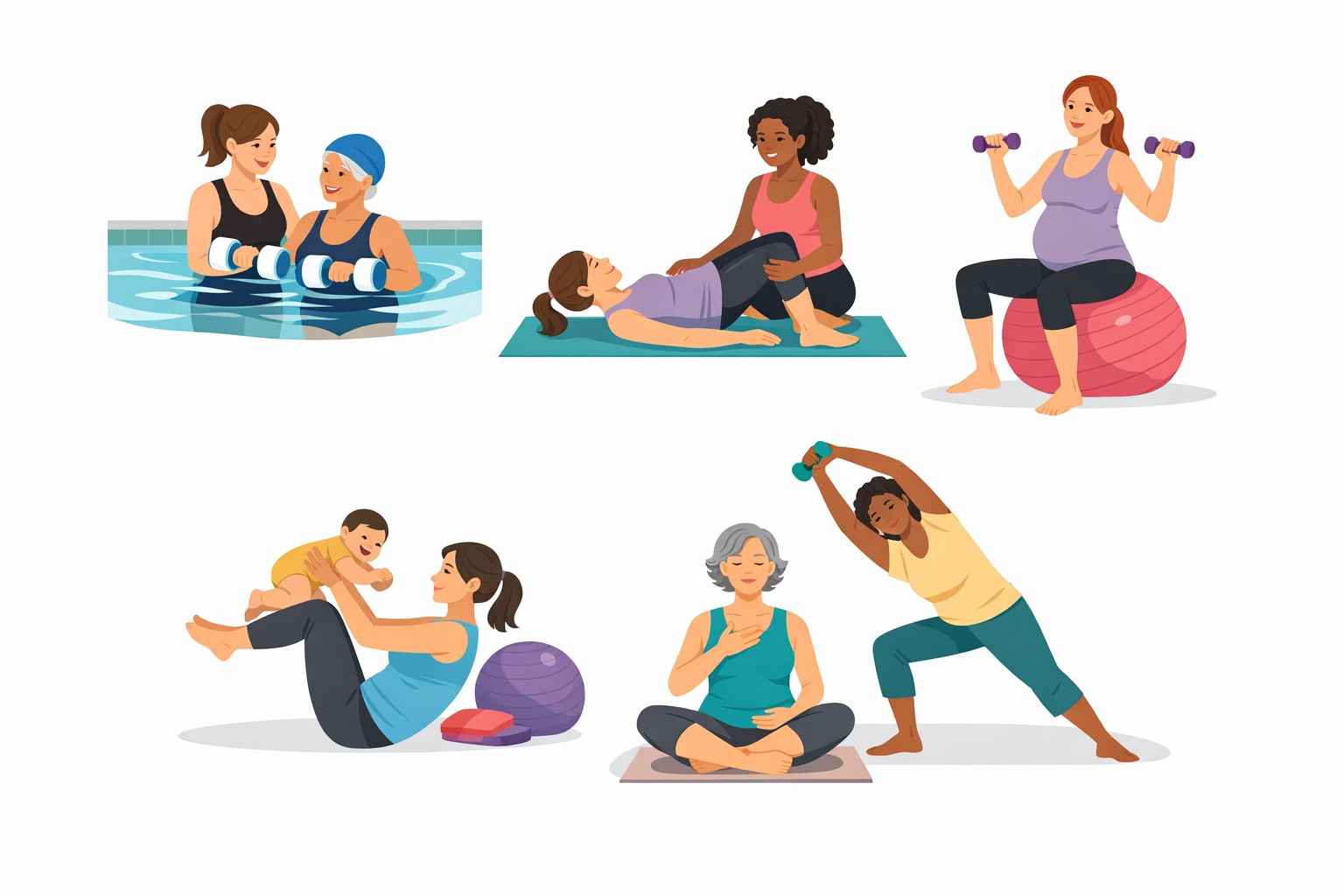
A women's physiotherapy clinic is a specialized space that focuses on treatment and prevention of physical ailments that primarily affect women. These issues can relate to pregnancy, childbirth, menopause, or specific conditions like pelvic floor dysfunction, lymphedema, osteoporosis, among others.
The journey at a clinic typically begins by making an appointment for an initial consultation. During this session, a physiotherapist will discuss your health history, current issues, and overall wellness goals. This involves questions about your lifestyle, dietary habits, physical activity level, and any specific problem you might be experiencing.
Next, a series of tests and physical assessments are often performed to understand your condition better. Once a diagnosis is made, the physiotherapist will create a customized treatment plan for you. The nature and frequency of these treatments may vary depending on your personal goals and condition severity. It could involve one or a combination of therapies such as manual therapy, exercise programs, massage, heat treatment, or more.
Follow-up sessions are held to check progress and adjust the treatment plan if necessary. The ultimate goal is to remediate impairments, promote functionality, and enhance the patient's physical health and well being.
Key Components of a Women's Physiotherapy Clinic
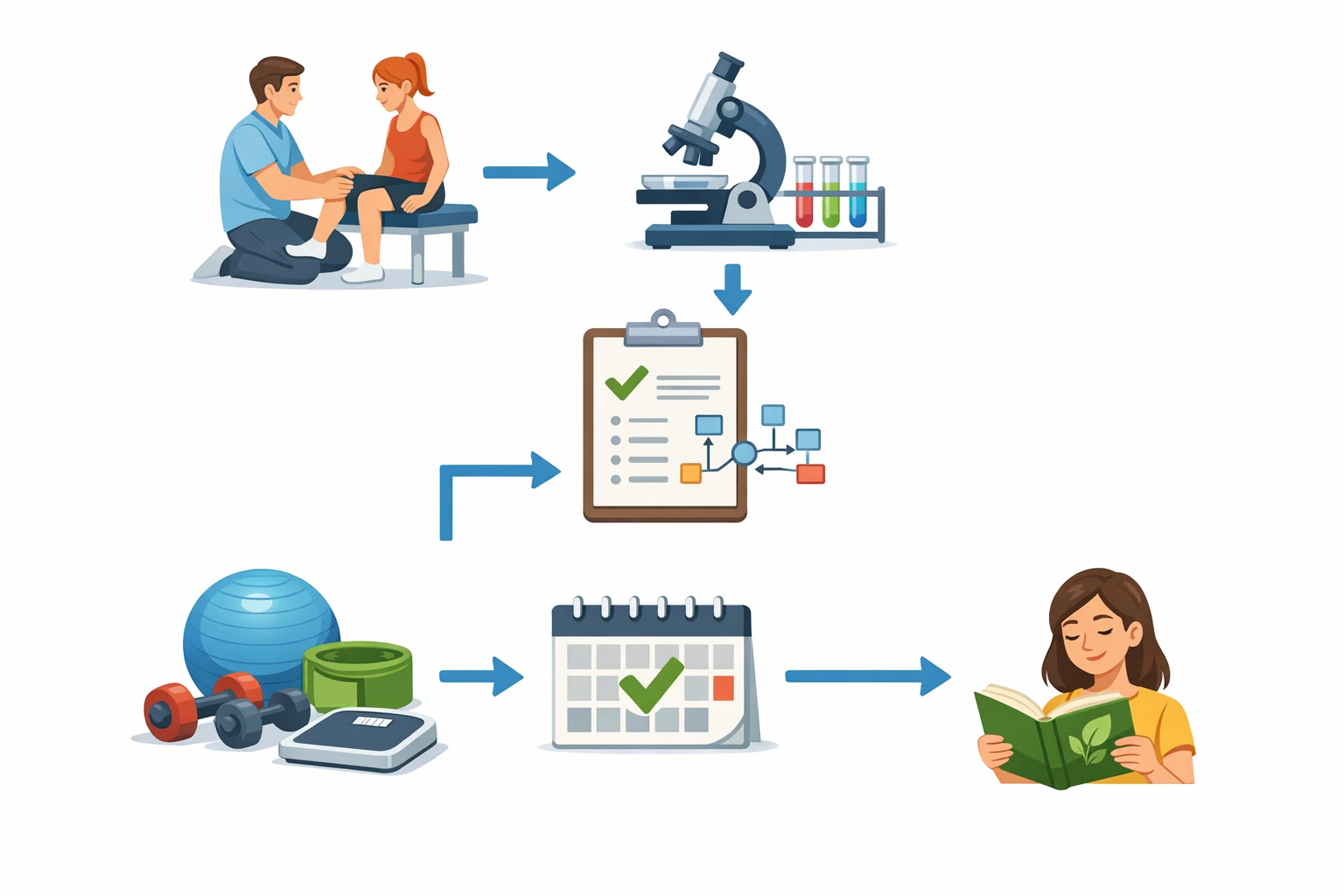
1. Trained Physiotherapists: They are the backbone of the clinic, specializing in women's health issues and treatment.
2. Diagnostic Tests: These may include physical examinations or additional tests to determine the best course of action.
3. Customized Treatment Plans: Each plan is unique to the patient's condition and goals.
4. Range of Therapies: Depending on the condition, a variety of treatment methods are used. This may include exercises, manual therapy, lifestyle modifications, and more.
5. Regular Reviews: Regular follow-ups are crucial to gauge effectiveness and make necessary changes in the treatment plan.
6. Wellness Education: Educating patients about their health, effective self-care strategies, and prevention steps forms an integral part.
Types of Women's Physiotherapy Clinic
Broadly, women's physiotherapy clinics can differ based on the scope of services, conditions treated, and the therapeutic approaches employed.
General | Focused on overall women’s health | Holistic approach toward health and wellness
Pregnancy and Postnatal | Specialize in prenatal and postnatal health | Guides women during pregnancy and after childbirth
Menopausal Wellness | Focused on health issues arising from menopause | Help manage symptoms of menopause
Pelvic Health | Primary focus on pelvic health disorders | Special techniques for pelvic floor dysfunction, pelvic pain
Specialized | Focus on specific conditions like osteoporosis, lymphatic disorders | Tailored treatments for specific women’s health issues
Benefits of a Women's Physiotherapy Clinic

Prevention | Aims to prevent the onset of health issues
Treatment | Provides effective treatment for a range of physical conditions
Education | Increases awareness and understanding of one’s own health
Improved Quality of Life | Helps to enhance mobility, strength, and overall well-being
Holistic Care | Aims for overall health and wellness in addition to treating specific conditions
The benefits of a women's physiotherapy clinic extend far beyond just treatment. It empowers women by emphasizing education, prevention, and holistic care to improve their quality of life.
Use Cases or Applications
1. Pregnancy Care: Physiotherapy clinics support women during their pregnancy journey, providing relief from common discomforts and preparing the body for childbirth.
2. Postnatal Care: Treatment is provided to help recover from childbirth and regain strength.
3. Menopausal Support: Helps manage symptoms associated with menopause like hot flashes, mood swings, and osteoporosis.
4. Pelvic Health: Provides help for conditions like pelvic floor dysfunction, incontinence, sexual dysfunction, and pelvic pain.
5. Osteoporosis Management: Supports women in managing and preventing osteoporosis through weight-bearing exercises and strength training.
6. Lymphedema Care: Clinics provide care for lymphedema, particularly common in women after cancer treatments.
7. Fitness and Wellness: Some Sydney-based clinics also focus on overall wellness, providing services like guided fitness exercises, yoga, pilates, and posture education.
Considerations Before Adoption
- Is the clinic specialized in dealing with your specific health issue? - How experienced are the physiotherapists in women's health? - What are the clinic's hours of operation and location? Is it easily accessible from your place? - What is the waiting time for getting the appointments? - Does the clinic offer any individualized treatment plans? - What is the typical cost per session, and is it covered by your insurance? - What have been the experiences of other patients at this clinic?
Before choosing a clinic, it's necessary to consider all these factors and make an informed decision. The goal is to find the best fit for your needs and be comfortable with your choice.
Common Misconceptions

Myth: Women's physiotherapy is only for pregnant women. → Reality: While pregnancy care is an integral part, a women's physiotherapy clinic caters to a vast array of women's health issues.
Myth: Physiotherapy always involves rigorous exercises. → Reality: The therapy plan is customized based on the patient's condition and might include gentle exercises, massage treatments, lifestyle advice, etc.
Myth: Physiotherapy cures problems instantly. → Reality: While some improvement can often be immediate, full recovery often requires ongoing treatment and consistency.
Myth: All physiotherapy clinics are the same. → Reality: Clinics can differ based on their focus area. Women's physiotherapy clinics specialize in female-specific health issues.
Myth: You need a referral to visit a women's physiotherapy clinic. → Reality: While this might be the case in some instances, it often depends on the clinic's policy and your insurance company’s requirements.
Future of Women's Physiotherapy Clinic
The future of women's physiotherapy clinics looks promising, especially in regions like NSW, where the demand for specialized women's health services is on the rise. As research advances, new therapeutic methods and women's health issues will likely be addressed more effectively. With increasing awareness about women's health, expect the notion that physiotherapy is only for athletes or those recovering from surgery to change.
Outreach and service accessibility should improve, with more clinics projected to open across NSW. Telephysiotherapy or online physiotherapy sessions are also expected to become mainstream, especially for those who live remotely or lead busy lives. An ongoing trend is to offer more than just treatment by playing a pivotal role in health education and prevention. Looking ahead, a women's physiotherapy clinic will evolve as a proactive health partner for women.
Related Concepts and Comparisons
Women's Physiotherapy Clinic | Specializes in women's health | Holistic, comprehensive care | Tailored to women’s health issues
General Physiotherapy Clinic | Broadly capable | Provides physiotherapy services for various demographics, without gender-specific focus | Suited for general health issues
Sports Physiotherapy Clinic | Specializes in sports injuries and rehabilitation | Directly related to sports and athletics | Best for athletes or sports-related injuries
Pediatric Physiotherapy Clinic | Specializes in children's health | Focused on developmental issues, congenital disabilities, injuries, and diseases in children | Best for children’s health issues
Proactive health partnerships, personal attention to women’s health, and gender-specific solutions set a women's physiotherapy clinic apart from other physiotherapy clinics.
Conclusion
A women's physiotherapy clinic is more than just a treatment place for physical conditions; it is a wellness partner that supports women in each phase of their life. From managing pregnancy, aiding postnatal recovery, addressing menopause-related issues, and improving overall wellness, these clinics in NSW provide a range of specialised services to enhance women's health. Before choosing a clinic, ensure it suits your individual needs and comforts. Women's health is vital, and it's essential to choose a support system that respects and understands that.
Common questions
- Do I need a referral to visit a women’s physiotherapy clinic?
- This often depends on the clinic's policy as well as your healthcare provider's requirements. It's a good idea to check with both the clinic and your insurance provider.
- Can I visit a women's physiotherapy clinic if I am not experiencing any specific issues?
- Certainly. Many women visit such clinics for general wellness, preventative education, and to improve their overall physical health.
- Are all women’s physiotherapy services covered by insurance?
- The coverage can vary greatly between different insurance providers and policies. Hence, it's advisable to check with your insurance provider before commencing any treatment.
- How long does each session at a clinic last?
- The duration can vary but on average, it might last from 45 to 60 minutes depending on the treatment's nature and the individual's condition.
- Do these clinics only use physical exercises for treatment?
- No, the treatment plan may include a range of approaches such as physical exercises, manual therapy, electrotherapy, lifestyle advice, and more, depending on your requirements.
- Can these clinics help with menstrual pain?
- Yes, physiotherapists at women's clinics may be able to offer strategies and therapies to manage menstrual pain, but it's always important to consult with your doctor for any severe or persistent pain.